Colorado Wildlife Officials Are Reporting Unprecedented Bear Activity as Frost-Damaged Berry Crops Push Hungry Bears Into Neighborhoods Before Hibernation
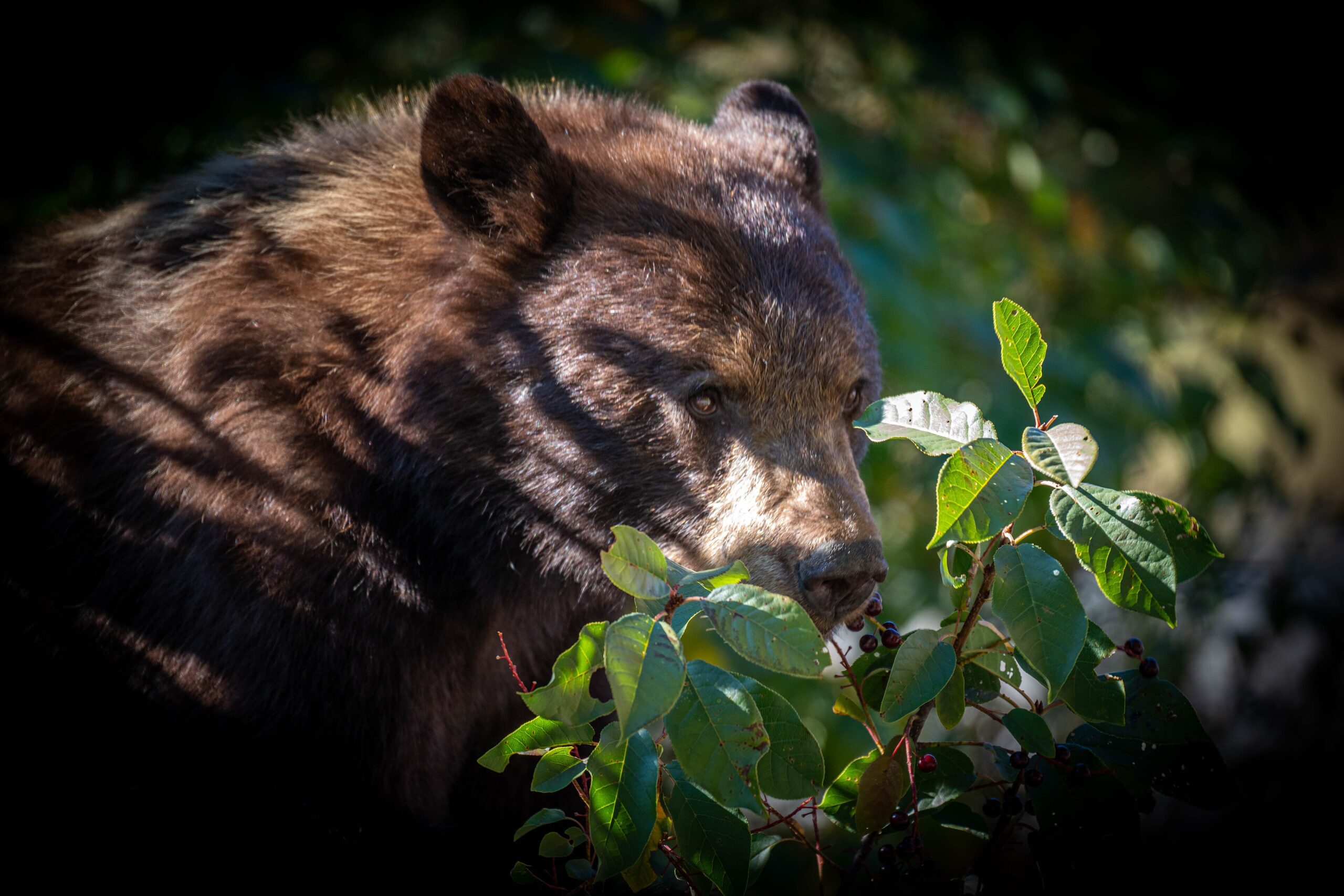
Colorado Parks and Wildlife says bear activity across the state has reached levels it has never seen, and one of its wildlife managers calls 2026 the worst natural food failure year the agency has dealt with. Travis Sauder, a CPW assistant wildlife manager, told KKTV in Colorado Springs that low snowpack and late-season freezes damaged the berry crops and other foods bears depend on before hibernation. The result, wildlife officials say, is hungry bears moving into neighborhoods in search of food.
A Wildlife Manager’s Warning About “Unprecedented” Bear Activity
Sauder used the word “unprecedented” to describe what the agency is seeing this year. He said the shortage of natural food stretches across much of Colorado and the West, not just one valley or county, according to the Oct. 23 KKTV report by Melissa Henry.
He also explained why a single unsecured trash can matters. “Bears have an incredible memory,” Sauder said. “They really only need a food reward once to remember it and to keep coming back.”
The stakes run both ways. Wildlife managers told the station that keeping bears away from human food is about public safety and about bear conservation. In southeastern Colorado last year, 13 bears were euthanized after a season of reported bear activity.
Historic Conflict Levels, Including a Homeowner Hurt at His Trash Cans
The KKTV warning lines up with what CPW has been saying in its own releases this fall. In an Oct. 2 news release about Halloween pumpkins, the agency said human-bear conflicts had reached historic levels in 2026 and that drought and freeze events had made natural forage harder to find.
Three weeks later, CPW reported a bear attack in Clear Creek County. A homeowner on Castlewood Drive told officers he heard noises on his deck around 1 a.m. and found a bear near his trash cans. When he yelled, the bear ran toward him. He pushed it away, it charged again, and he kicked it before it left the property. He sought medical treatment for his injuries. CPW called it the twelfth reported bear attack to the agency for 2026, and the site covered the Clear Creek County encounter when it happened.
Officers could not locate that bear and asked neighbors to remove trash and other attractants. CPW said human-bear conflicts are most often traced to human behavior.
Why Late Fall Is the Risky Stretch: Up to 20,000 Calories a Day
The timing of the warning is not an accident. According to CPW’s Living with Bears page, bears enter hyperphagia in the fall, a period of compulsive overeating in which they may feed up to 22 hours a day to take in the roughly 20,000 calories a day they need to survive hibernation. Most Colorado bears are active from mid-March through early November.
That means the next few weeks, before bears settle into dens, are when a yard full of easy calories is most tempting. CPW’s pumpkin release said the agency has seen bears in front yards eating pumpkins, which are high in calories, fiber, minerals and vitamins.
Kris Middledorf, CPW’s area wildlife manager in Steamboat Springs, said in the same release that bird feeders often bring bears into people’s yards and onto porches, and that pumpkins follow the same pattern. CPW recommends bringing pumpkins indoors and displaying them in a window, even uncarved ones, because bears remain active through October. For gardeners still admiring this year’s harvest, from backyard jack-o’-lanterns to record-setting giants like Woody Lancaster’s Topsfield Fair pumpkin, the advice is the same: the fruit belongs where bears cannot reach it.
The Yard Checklist: Trash, Bird Feeders, Pet Food and Grills
CPW points homeowners to the six at-home basics of BearWise, a program of the Association of Fish and Wildlife Agencies, and the Clear Creek County release listed them in full:
- No feeding: Bears should never be fed or approached, or allowed to reach anything with food odors.
- Trash and recycling: Food, garbage and recycling should be secured. CPW’s Living with Bears page says trash belongs indoors overnight, and most bear conflicts trace back to human food, garbage, pet food or bird seed.
- Bird feeders: Feeders should come down while bears are active. CPW lists hummingbird, suet and seed feeders as attractants and says leaving them accessible to bears violates state law and some local ordinances.
- Pet food: Pet food should never be left outdoors, and pets are best fed indoors when possible.
- Grills: Grills and smokers should be cleaned after each use and stored where bears cannot get to them.
- Neighbors: Residents are urged to alert neighbors to bear activity and share prevention information.
Wildlife officials quoted by KKTV also recommended keeping deterrents such as air horns or bear spray within reach. CPW’s Living with Bears page tells residents to call the agency during business hours, Monday through Friday from 8 a.m. to 5 p.m., and to call the Colorado State Patrol or the local sheriff’s office after hours. A CPW officer should be contacted right away if a bear threatens human safety or livestock.
Grant Money Is Going Into Bear-Resistant Trash Cans
The state is also paying communities to lock up their garbage. On Sept. 29, Gov. Jared Polis and CPW announced 17 recipients of the 2026 Human-Bear Conflict Reduction Community Grant, splitting $1 million. CPW received 27 applications asking for $2.2 million.
The Town of Oak Creek received $161,625 for 550 bear-resistant totes for residents, paired with a new ordinance requiring their use. Manitou Springs received $100,000 for city-wide bear-resistant residential bins, and the Town of Parachute received $64,365 for 365 residential bear-resistant cans and wildlife-resistant lids on 13 commercial dumpsters. Mountain View Village near Leadville is replacing all regular residential cans with bear-proof containers using $28,700.
For households outside those programs, the message from CPW this fall is simpler and cheaper: the food has to be gone before a bear finds it the first time, because, as Sauder put it, one reward is enough to bring a bear back.
Get stories like this by email. Sign up for The Parent Diaries Letter.
This article was produced with AI assistance and edited for accuracy against the sources linked above.
Image: Grand Teton National Park (GrandTetonNPS), Public domain, via Wikimedia Commons