The Ground in Front of Bradley Stepp’s Coplay Home Gave Way and Water Poured Into His Basement. His Insurer Says a Broken Water Main Isn’t a Sinkhole.
Bradley Stepp was outside his Coplay, Pennsylvania, home on Oct. 25 when the ground in front of the house gave way. Water started pouring into the house, and by the time it stopped, his basement was flooded wall to wall.
He thought he had a sinkhole claim. His insurer disagreed. It blamed the collapse on a broken water main, which it said his sinkhole coverage does not reach, and now his family is paying for the damage on their own.
Four Inches of Water in the Basement
Stepp described the day to WFMZ, in a report The Cool Down republished on Nov. 17. The soil in front of the home washed out, and water ran into the house.
By his account, about four inches of water stood across the entire basement.
The cleanup was fast and messy. Several inches had to be cut off the bottom of the drywall. Water, mud and damaged materials came out, and so did the basement linoleum. Stepp worked quickly to keep mold from setting in.
A Sinkhole Policy That Did Not Fit
Stepp’s policy covers sinkholes caused by naturally occurring limestone erosion. His insurer said that was not what happened here. In its view, the soil washed out because of a broken water main, and that put the loss outside his coverage, according to the WFMZ report.
Water damage from outside the house is a common gap. Fortune’s guide to home coverage notes that standard policies generally exclude flood damage, even though they typically cover storm damage from wind, hail, lightning and the weight of snow or ice.
Sinkhole coverage itself is often narrower than homeowners expect. In Florida, where sinkholes are common, every homeowners policy must cover a catastrophic ground cover collapse, but only when four conditions are met, including structural damage and the home being condemned and ordered vacated. A Florida real estate team’s November guide explains that broader sinkhole coverage costs extra, and that its deductible can run 1%, 2%, 5% or 10% of the dwelling limit. On a $400,000 home, the guide says, a 10% deductible means the first $40,000 of a sinkhole claim falls on the owner.
The same guide notes that insurers may inspect a property before offering sinkhole coverage and can decline it if testing finds activity on or near the land. It also cites Florida’s Department of Financial Services in saying a standard 4-point inspection normally does not look at sinkhole potential at all.
No Help From the Water Authority
With the insurer out, Stepp turned to the local water authority. He was told no financial help was available.
WFMZ asked the water authority for comment and had not heard back, which the station attributed to the Veterans Day holiday.
That leaves the family covering the repairs. Stepp started a GoFundMe and is looking at legal options, though he said he would need a lawyer willing to work pro bono.
“There’s no protection for anybody from an event like this,” he said.
Six Months to File
A claim against a local government body in Pennsylvania is not simple. Under the state’s Political Subdivision Tort Claims Act, as described in the report, a homeowner has to prove the government was negligent, and has to file within six months.
Ground collapses like this one have hit other homeowners this fall. Earlier this month, a Phoenix man fell about six feet into a sinkhole in his own backyard and had to be pulled out by a rescue crew. KTAR reported that his pickup had partly fallen into the same hole. On this site, Kimberly Sluis’ insurer denied her claim after a hole opened 12 feet from her back door and spread into two neighbors’ yards.
In Coplay, the hole in front of the Stepp house has become a question of who pays. So far, the answer has been the family that lives there.
This article was produced with AI assistance and edited for accuracy against the sources linked above.
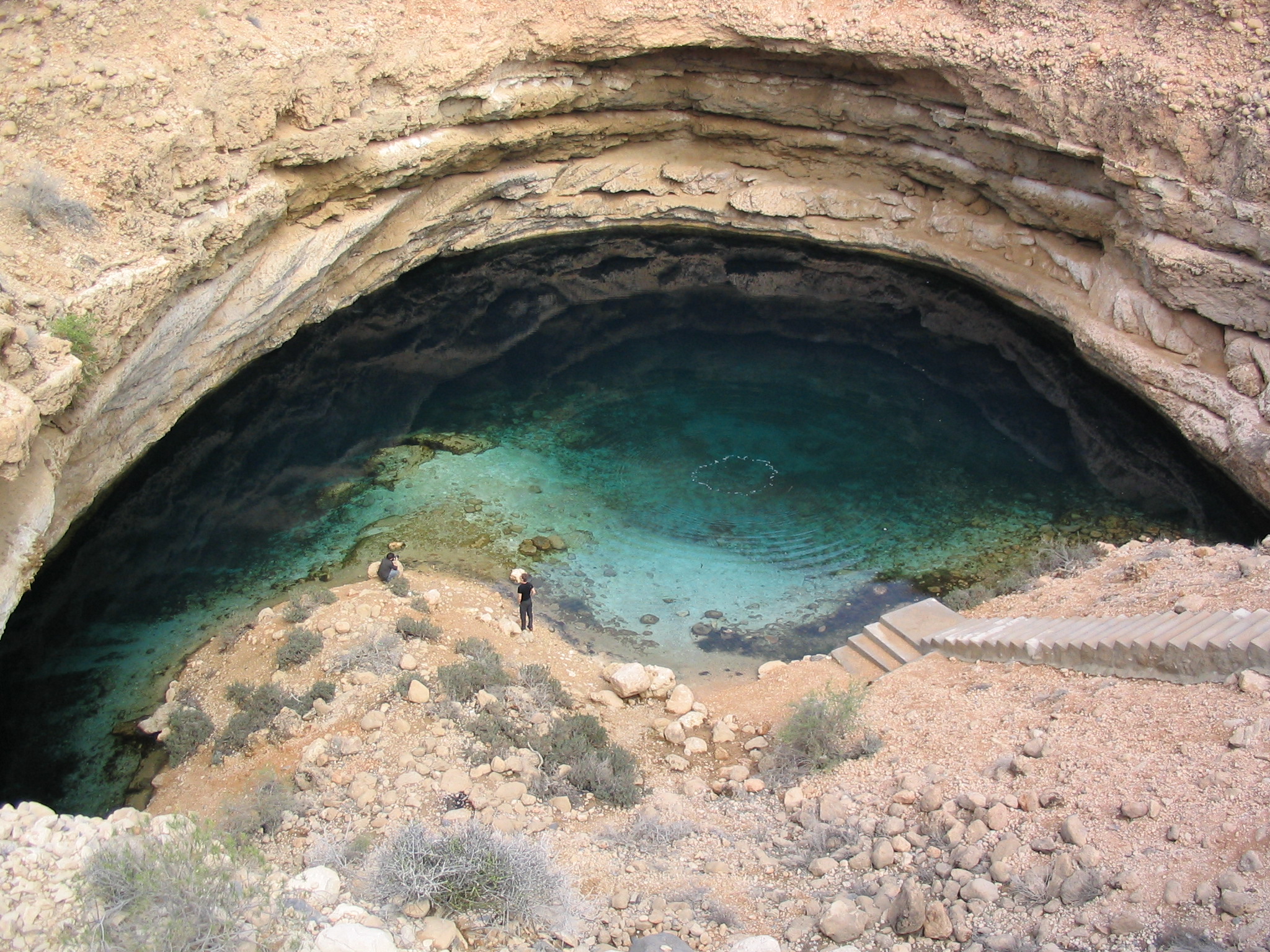
Image: Hendrik Dacquin from Gent, Belgium – CC BY 2.0/Wikimedia Commons