Morgan Hill Neighbors Led by Lisa Voss Are Fighting to Save a Coast Live Oak an Architect Estimates Is at Least 200 Years Old From a 93-Unit Housing Project
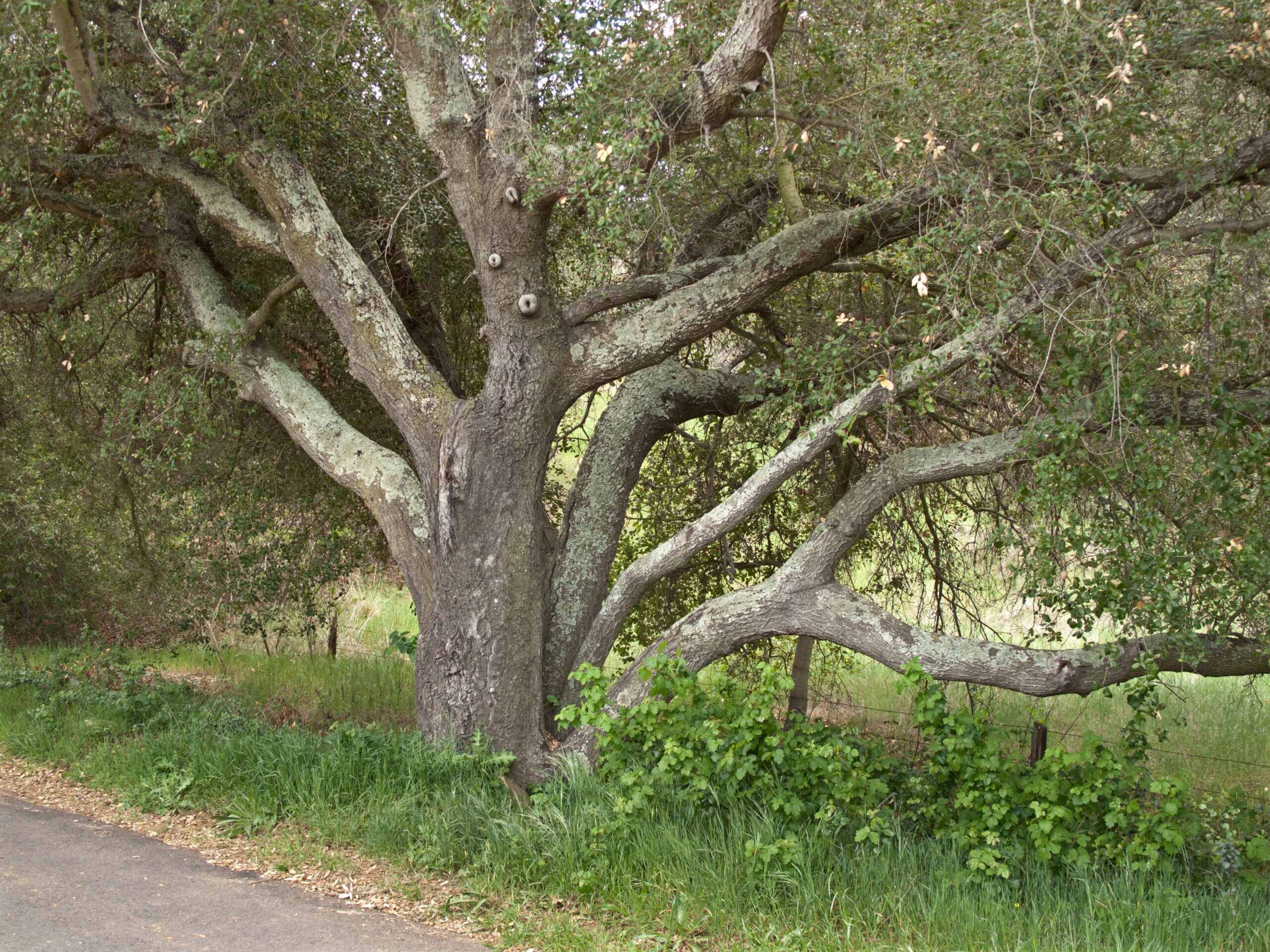
Lisa Voss started with a post on Nextdoor. The Morgan Hill, California, resident wanted neighbors to know that a towering coast live oak near the corner of Diana Avenue and Butterfield Boulevard was set to come down for a 93-unit housing development, and she soon took the campaign to the mayor and other city officials.
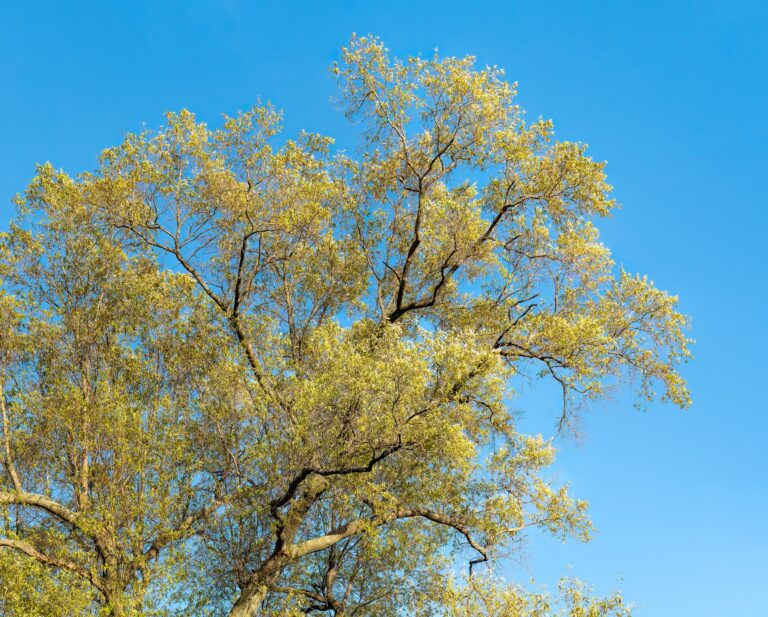
The tree may be older than the state of California. A local architect estimates it is at least 200 years old, and she has drawn up a site plan that she says would keep the oak and every one of the 93 homes.
A tree on the corner of Diana and Butterfield
The Morgan Hill Times reported on Oct. 2 that the Diana-Valley Oak project, planned by developer Valley Oak Partners LLC on about five acres at 375 Diana Ave., calls for removing the large coast live oak and three other significant oaks beside it.
The city’s project page lists the development as 93 attached residential units with a subdivision map and design review permit. Its status reads “Planning Entitlements Approved,” following a Planning Commission meeting on July 8, 2025. The city concluded no further environmental review was required under CEQA Guidelines Section 15183, which applies to projects consistent with a city’s general plan and zoning.
Morgan Hill architect Lesley Miles, who holds a horticulture degree from Cal Poly, estimates the oak is at least 200 years old and possibly older. A photo from 1913 shows a large tree at the site, according to the Times, though the paper noted that the tree’s exact age has not been credibly established. Voss told the paper the city never commissioned an in-depth arborist assessment of it.
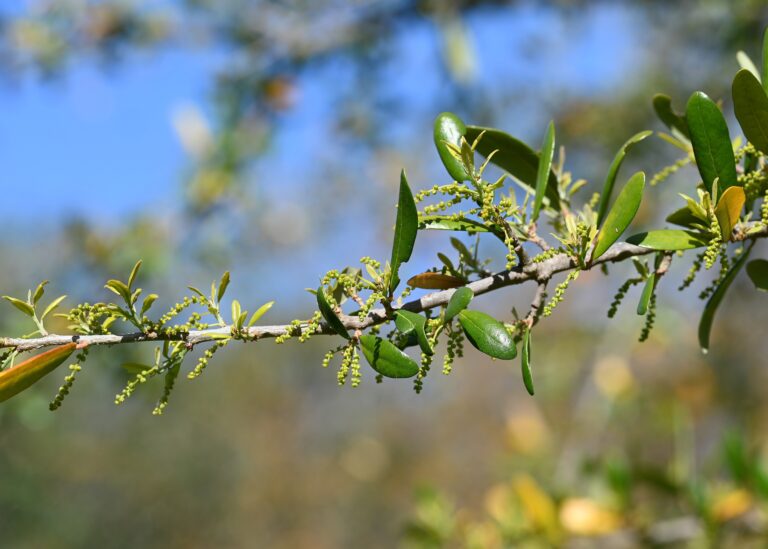
An age of two centuries would put the oak near the upper end of what the species usually reaches. The University of California’s oak program describes coast live oak as long-lived, at 125 to 250 years, typically 20 to 40 feet tall but able to reach 80 feet, with trunks 1 to 4 feet across. UC’s tree failure data summary calls it the most widely planted native California oak in urban landscapes and notes that “many remnant coast live oaks of great age can be found within developed areas.”
An alternative plan with the same 93 units
Miles and her husband, Charles Weston, run Weston Miles Architects. Their firm drew up an alternative site plan that keeps the oaks while fitting the same 93 units, and sent it to the city, the Times reported. The paper did not report a response from Valley Oak Partners to that plan.
Miles told the paper that building around mature trees once earned developers points under Morgan Hill’s old growth-control system. The Times noted that state laws now prioritize housing density, overriding the point system the city once used.
Opponents also argue the project’s environmental review fell short because it did not evaluate the oak as a potential historical resource.
The mayor’s support and the limits of a permit
Mayor Mark Turner has sided with keeping the tree. He told the Times that the city needs to do everything it can to avoid cutting the oaks down, and that it should “preserve oak trees wherever possible.”
The decision, though, may not be the city’s to make. Edith Ramirez, Morgan Hill’s assistant city manager for community development, said “the developer is at the table,” but called a redesign “a big ask” that is “completely at the goodwill of the developer.”
The developer still needs a tree removal permit. Ramirez said the city likely cannot deny it, because the developer already has the right to build, but the permit would come with mitigation requirements.
What Morgan Hill’s tree rules require
Morgan Hill protects every oak, along with California bays, madrones, sycamores and alders, under Chapter 12.32 of its municipal code. A native tree counts as protected once its trunk reaches 6 inches in diameter at breast height, and any species counts as significant at 13 inches. Removing one takes a permit even if the tree is dead or diseased, and the applicant must post a public notice on the tree or property for at least 10 days.
After removal, the city requires a replacement of the same or a similar native species. The Times reported that the significant trees ordinance calls for each removed protected tree to be replaced with a native tree of at least 15 gallons, and that the development services director can require additional trees to make up for lost canopy.
Even the healthiest replacement would be starting from zero. An oak planted next year would not reach the 200 years Miles estimates for the tree on Diana Avenue until the 2220s.
For ordinary homeowners, the same chapter applies to a single backyard oak. The city charges $153.60 for one application covering up to three protected trees, and pruning that removes more than 25% of a protected tree’s canopy also requires a permit. Emergency removals of hazardous trees can happen first, but the owner must notify the Planning Division and pay the fee within five days.
Residents elsewhere have also stepped in for a single old tree. In West Philadelphia, a retired copyeditor stood beside a willow oak street tree to stop a developer’s crew that had no removal permit. In Charlotte, two 100-year-old heritage live oaks near Freedom Park are slated to fall for a new home, with a penalty of $1,500 and a sapling.
Get stories like this by email. Sign up for The Parent Diaries Letter.
This article was produced with AI assistance and edited for accuracy against the sources linked above.
Image: Downtowngal – CC0/Wikimedia Commons