One Mated Fruit Fly Caught in a Backyard Mango Tree Put 19.19 Square Miles of Port Isabel, Texas Under a Federal Quarantine
It took one insect to put a 19.19-square-mile stretch of Port Isabel, Texas, under a federal fruit fly quarantine. The fly was a mated female West Indian fruit fly, and it turned up in a trap hanging in a mango tree on a residential property in the small Gulf Coast city.
The U.S. Department of Agriculture’s Animal and Plant Health Inspection Service announced the quarantine on Oct. 7, 2026, saying it took effect immediately. The area, which APHIS calls the Port Isabel quarantine, lies in Cameron County and includes no commercial agriculture.
A single trap in a residential mango tree
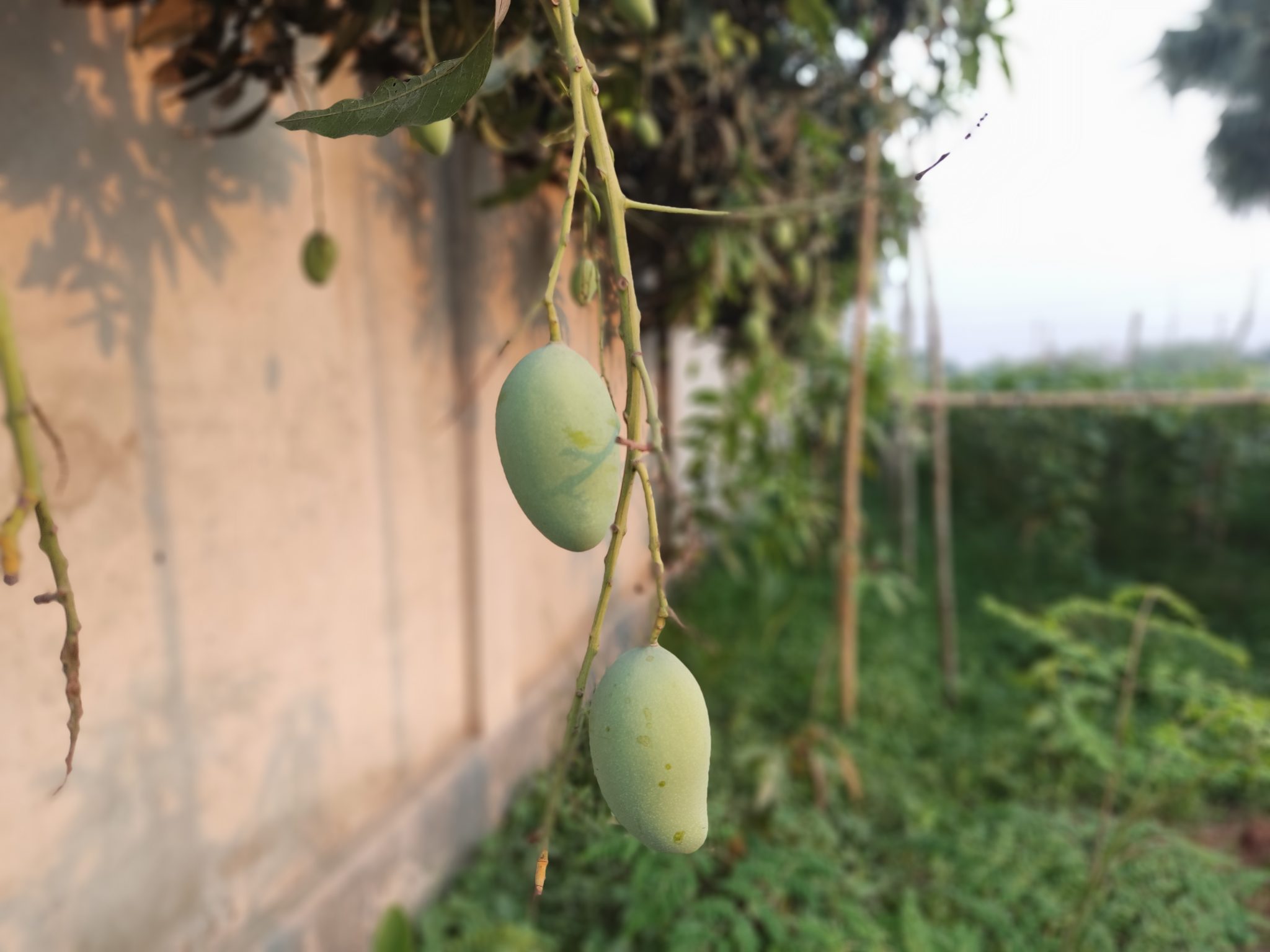
According to APHIS, inspectors confirmed the mated female in a trap placed in a mango tree at a home in Port Isabel. The agency specified that the fly had mated, meaning she was capable of laying eggs that would develop into larvae.
The federal quarantine matches one the state had already put in place. APHIS said it acted together with the Texas Department of Agriculture, which established a parallel quarantine on Aug. 21, 2026. The state’s West Indian fruit fly alert page lists the Port Isabel area as 19.19 square miles and shows it as the only active West Indian fruit fly quarantine in Texas. The agency’s page notes that an earlier quarantine near Palmview, in Hidalgo County, was removed on June 9, 2026.
Why the West Indian fruit fly worries growers
The West Indian fruit fly, known to scientists as Anastrepha obliqua, is a tropical pest. A University of Florida fact sheet on the species, written by entomologists including Howard V. Weems Jr. and Gary J. Steck and published through UF/IFAS, describes it as “a major pest of mangoes in most tropical countries.” It occurs throughout the Caribbean and south to southern Brazil, and in the United States it occurs in the Rio Grande Valley of Texas.
Mango is not its only target. The UF/IFAS authors write that the fly’s favored food plants are the mombins, or hog plums, followed by mango, rose apple and guava. Recorded hosts also include cashew, carambola, citrus, loquat, sapote and almond.
The damage happens inside the fruit. Females generally lay eggs singly in mature green fruit, and the larvae develop inside it. In summer the larval stage lasts about 10 to 13 days, and the fact sheet says six or seven generations may develop in a year.
APHIS describes the stakes in broad terms on its exotic fruit fly program page, calling these insects “among the world’s most devastating pests of fruits and vegetables” and saying they pose “a significant threat to U.S. agricultural production” if left unchecked.
What the federal quarantine restricts
The quarantine is issued under the Plant Protection Act and the federal fruit fly rules at 7 CFR 301.32. In its advisory to state agriculture officials, APHIS said it is restricting the interstate movement of regulated articles from the area to keep the fly from spreading to parts of the country that are free of it and to keep it out of foreign trade.
APHIS and the Texas Department of Agriculture say they are working to eradicate what the agency calls a transient population, using survey, treatment and regulatory actions under federal program guidelines. APHIS has said a Federal Register notice will follow.
The specific list of regulated fruits, and the rules for handling them, sit in the state’s quarantine regulations in the Texas Administrative Code and in a regulated host list posted on the Texas Department of Agriculture page. The state page also links a map and legal description of the Port Isabel boundary, along with an interactive map where an address can be checked against the quarantine area.
How backyard fruit fits into fruit fly control
Homeowners have a direct role in fruit fly control in South Texas, since a detection like this one can come from a single yard tree. In an April 2024 appeal to South Texas residents, APHIS asked people not to move or mail homegrown fruit or plants, to pick mature fruit and pick up fallen fruit promptly and either eat it or double-bag it for the trash, and not to compost fruit or vegetables from quarantined areas.
That same appeal asked residents to let officials inspect trees and hang traps, and noted that surveyors carry official USDA or Texas Department of Agriculture credentials.
Stuart Kuehn, Texas state plant health director for APHIS, said in that release that commercial citrus had brought in more than $66 million in revenue to Texas the previous year, and that the agency hoped residents would keep doing their part to protect the harvest.
Where Port Isabel residents can check the rules
People who live in or near Port Isabel can use the Texas Department of Agriculture’s interactive map to see whether their address falls inside the quarantine, and the regulated host list to see whether a tree in their yard is covered. The state agency lists (800) 835-5832 as its contact number.
APHIS keeps maps and descriptions of current federal fruit fly quarantines on its exotic fruit fly page. The earlier Palmview quarantine in Hidalgo County began in January 2026, and the state lifted it on June 9, 2026.
Get stories like this by email. Sign up for The Parent Diaries Letter.
This article was produced with AI assistance and edited for accuracy against the sources linked above.
Image: “Green mangoes hanging on the tree” by Akramul Hasan is marked with CC0 1.0. To view the terms, visit https://creativecommons.org/publicdomain/zero/1.0/.