An Acworth, Georgia Family’s Front-Yard Tomato and Pepper Troughs Drew $25-a-Day HOA Fines Now Nearing $750, and the Board Pushed the Mother Out as Secretary
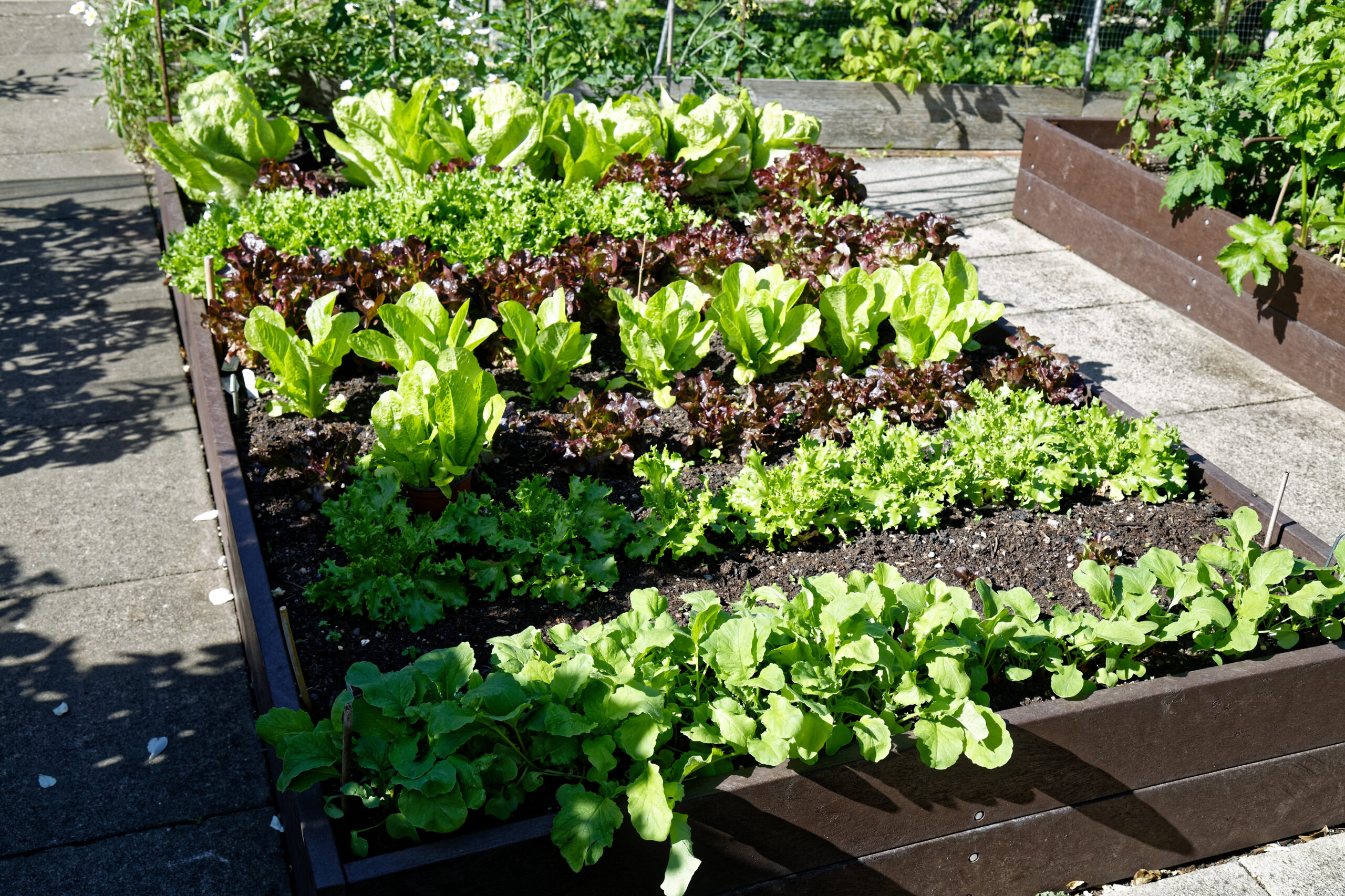
Alexandrea Duarte and Shawn Richardson planted peppers, tomatoes and herbs in a row of steel trough beds in the front yard of their Acworth, Georgia, home, and their homeowners association has been fining them $25 a day for it since Sept. 28. By the week before Halloween the balance was approaching $750, according to an Atlanta News First Investigates report. Duarte, a mother who until this fall served as the HOA board’s secretary, was also removed from that seat after the violation.
The dispute has become a small test case for a question many suburban gardeners eventually face: whether an association can treat a food garden as an eyesore when its own rules never mention gardens at all.
How a June Notice Turned Into Daily Fines
The conflict began in June, when the HOA’s community manager sent the couple a notice saying the garden violated the neighborhood’s governing documents. The instruction was short: “Please remove garden from front lawn,” according to the Atlanta News First report.
The family did not take the beds out. Duarte told the station that the backyard does not get enough sun to grow vegetables, and that the family uses the harvest to make pepper jams and basil salts. She also said money is tight, that some of their children have special dietary needs, and that the garden is how they teach the kids to grow their own food.
The sun problem is a real one for vegetable growers. University of Georgia Extension advises home gardeners to choose a site that receives at least six hours of direct sunlight each day, which in many subdivisions means the front yard is the only workable spot. It is the same squeeze behind other front-yard food gardens that have drawn HOA fine threats.
Fines of $25 a day began on Sept. 28, 2026. On Oct. 2, the management company, Community Management Associates, emailed Duarte that all of the galvanized steel beds had to be removed and that the daily fines would keep running until they were. The station reported it could find no published fine schedule that set a $25 daily amount.
Duarte offered a compromise: remove the newer beds and paint or screen the older ones. Community Management Associates rejected it, the report said, and repeated that fines would continue until every bed was gone. Duarte told Atlanta News First that the family cannot afford to keep racking up fines.
What the HOA Says Its Rules Allow
The association’s rules do not mention vegetable gardens specifically. Instead, the board relies on a broad clause allowing action against anything “determined to be obnoxious or unsightly to the eye by the board,” along with a requirement that residents get approval for exterior additions.
The HOA president told the station the board had received four complaints from separate people. She said the board has discretion under the governing documents to decide that something is “unkept and unsightly.” The president also said no exception could be made because no other lawn in the neighborhood was as unsightly.
Asked what specifically made the garden unacceptable, the Community Management Associates manager, who had described it as not “esthetically pleasing,” answered: “All of it.” The HOA’s attorney, with the firm Lazega & Johanson, did not respond to the station’s questions.
The president also told Duarte to stay out of board meetings until the violation is resolved. The association’s bylaws allow the board to suspend voting rights after notice and a hearing, but Atlanta News First reported they do not spell out any power to bar a board member from meetings over an unresolved violation.
Richardson has pushed back publicly. He told the station a sign was not allowed in the yard, so a Halloween decoration “made the most sense” as a way to make the family’s point. In an Instagram post, he criticized the $25 daily charge for planting tomatoes without permission.
Georgia’s New HOA Law Arrives in January
The family’s best hope for an outside review comes from a law that is not fully in force yet. Gov. Brian Kemp signed Senate Bill 406, the Georgia Property Owners’ Bill of Rights Act, on May 12, 2026, according to an analysis by attorneys at Freeman Mathis & Gary. Most of the law takes effect Jan. 1, 2027.
Under the new law, a resident who believes an association’s action has harmed them can file a written complaint with the Georgia Secretary of State within 180 days. A hearing officer investigates, may hold a hearing, and issues findings. The losing side pays a $100 administrative fee, according to the Community Associations Institute’s 2026 Georgia session report.
Two provisions matter most for a family facing a running fine. Filing a complaint automatically pauses collection of the fines that are the subject of the complaint until the hearing officer decides. And associations must register with the Secretary of State each year; one that fails to register cannot collect fines or fees, file liens or start foreclosure, as the law firm Thompson Hine summarized for clients.
Duarte and Richardson have already filed a complaint with the Secretary of State’s office, hoping the state will take up their case once the law is in effect, Atlanta News First reported. The law is not retroactive to lawsuits already underway, and it does not say anything specific about gardens. What it changes is who gets to weigh in when a homeowner and a board disagree.
Where Front-Yard Gardens Are Protected
Some states have stepped in on front-yard food growing, though the protections are narrower than many gardeners assume. Florida’s statute on residential vegetable gardens says counties and cities “may not regulate vegetable gardens on residential properties,” and declares any such local rule “void and unenforceable.” The same law still allows general rules such as limits on water use during drought.
That Florida law covers local governments, not homeowners associations, so even there a deed restriction can still be the deciding document. The Atlanta News First report did not cite any Georgia law that protects residential vegetable gardens from HOA rules.
The Acworth case carries practical lessons for homeowners in associations. Broad “unsightly” clauses give boards wide discretion, approval requirements for “exterior additions” can reach raised beds and planters, and a board can turn down a compromise. Daily fines can climb quickly, as in the case of a Florida lawn put on a countdown to a $100-a-day fine. Reading the covenants and asking for written approval before building beds in a front yard is the step that avoids a daily fine.
For now, the troughs are still standing, the fines are still accruing at $25 a day, and the Acworth family is waiting for January.
Get stories like this by email. Sign up for The Parent Diaries Letter.
This article was produced with AI assistance and edited for accuracy against the sources linked above.
Image: Acabashi – CC BY-SA 4.0/Wikimedia Commons