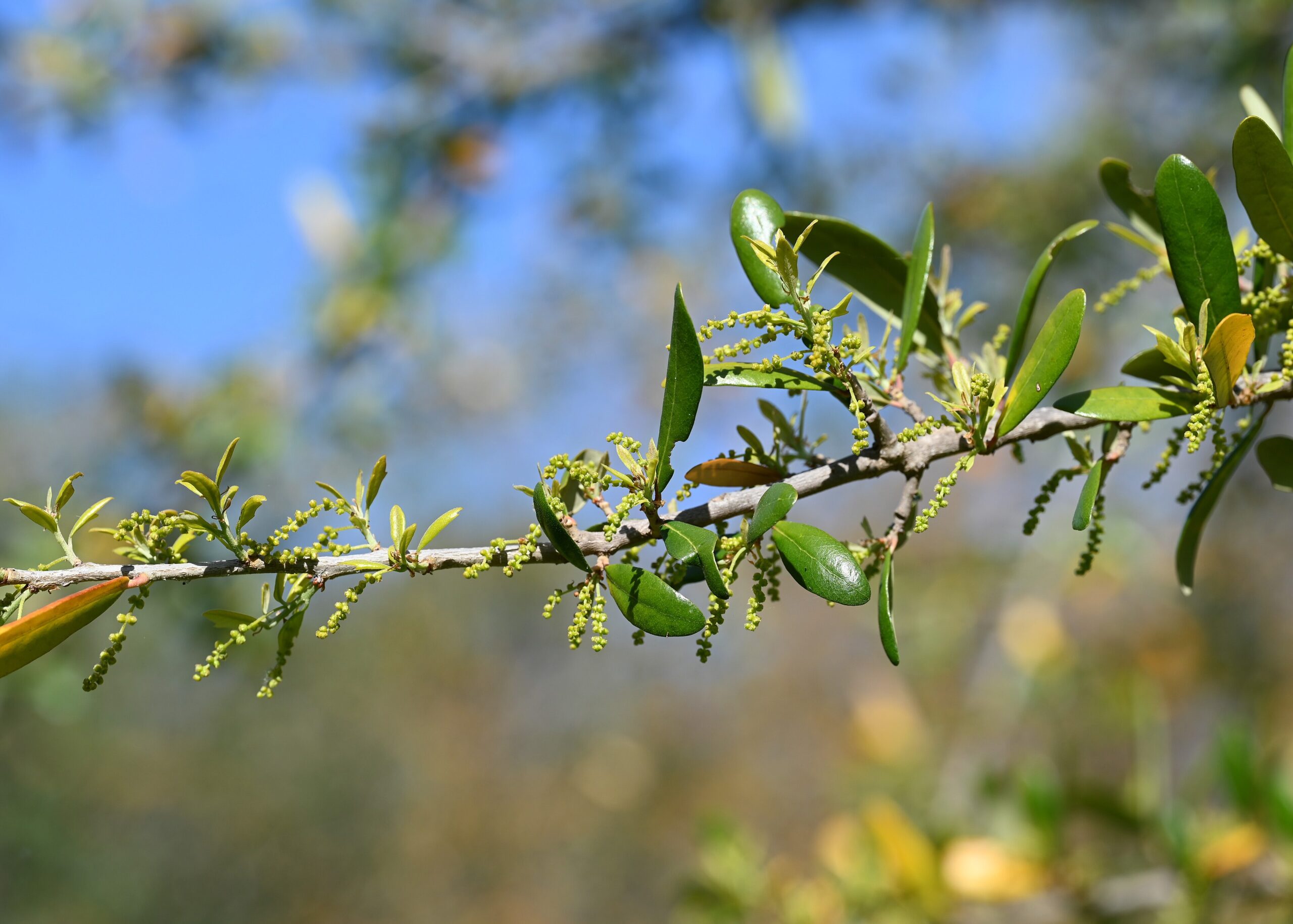
Brevard County Cut Down 62 Mature Oaks Lining the Front Yards of Viera’s Hammock Trace After the HOA Declined to Take On Liability for Them
The front yards of Hammock Trace, a subdivision in Viera, Florida, look very different this fall. Brevard County crews have removed 62 mature oak trees that lined the right-of-way strips in front of homes, and some of the people who live there say the street no longer feels like the one they bought into.
The county says the roots had buckled the sidewalks. It also says it offered the neighborhood’s homeowners association a way to keep the trees, an offer the HOA turned down.
Sixty-two oaks along the right-of-way
The trees stood on county right-of-way easements, the strip of land between the sidewalk and the street that many homeowners think of as part of their front lawn. WKMG News 6 reported on Oct. 2 that all 62 had been cut down across the neighborhood, and that crews were still clearing stumps and debris.
Don Walker, Brevard County’s government communications director, told the station the problem had been building for years. “Over the years, as those trees have matured, the root systems have started buckling some of the sidewalks,” he said.
Walker said the decision was not made casually. According to the county, officials worked with an arborist and looked at other options before deciding on removal. He said the county does not “arbitrarily go through neighborhoods and chop down trees,” adding, “Those sidewalks have to be safe for everybody.”
The county expects sidewalk repairs to begin next year, according to the same report.
The HOA said no to taking on liability
One of the alternatives the county raised was handing responsibility for the trees to the Hammock Trace homeowners association. Under that arrangement, the HOA would have taken on liability for the oaks and the damage their roots caused. County officials said the HOA declined.
WKMG’s report did not include a statement from the HOA explaining that choice. Hoodline’s follow-up on the removals also noted that no replanting plan had been announced.
The sidewalk concern the county described is a real one under federal accessibility rules. The U.S. Access Board’s ADA standards allow a vertical change in level of no more than 1/4 inch, and anything between 1/4 and 1/2 inch must be beveled. A slab lifted by a growing root can pass those limits quickly, which is why public works departments treat heaved sidewalks as a trip hazard and a legal exposure.
Residents miss the shade
For Gary Colonna, who lives in the neighborhood, the safety reasoning does not change what he sees out his window. “The neighborhood looks terrible now,” he told WKMG.
Colonna said the oaks were a big reason people chose Hammock Trace in the first place. “So many people were attracted to this neighborhood just because of those trees,” he said. He also noticed a difference indoors, telling the station that the inside of his house used to stay cooler. He said he understands that safety comes first but worries about the lasting effect on the street and his house.
That cooling effect is well documented. The U.S. Department of Energy’s Energy Saver guide to landscaping says air temperatures directly under trees can be 25 degrees Fahrenheit cooler than the air above nearby blacktop, and that simply shading an air conditioner can raise its efficiency by as much as 10%.
E. Gregory McPherson of the USDA Forest Service’s Western Center for Urban Forest Research estimated in computer simulations that a single 25-foot tree, about 15 years after planting, could cut a home’s annual air-conditioning use by roughly 10% to 15%. He called those figures conservative because they counted only direct shade.
Why oak roots and sidewalks keep colliding
The conflict in Hammock Trace is common in subdivisions where large shade trees were planted in narrow strips next to concrete. The Morton Arboretum explains that major tree roots often grow within a few inches of the soil surface, and that when roots meet a paved area, the only way in is often the gap between the soil and the pavement. The arboretum recommends leaving at least 4 feet between a tree and pavement, or using root barriers. For existing damage, it lists moving the pavement or pruning the roots, while warning that cutting roots can stress a tree and leave it more likely to blow over in a storm.
Oak removal in Viera is also tightly regulated when someone other than the county wants to do it. In an earlier dispute reported by Viera Voice, Jeffrey Cooke, a code enforcement officer with Brevard County’s Natural Resources Management Department, told the Capron Ridge HOA it needed a county permit before removing nine large oaks along its entrance. Cooke wrote that the only exception was an imminent health threat to residents, and that sidewalk damage did not qualify.
That puts neighborhoods in an awkward spot. An HOA that wants to remove a problem oak faces a permit process, while one that agrees to keep street trees takes on the risk of what their roots do to the concrete. In Hammock Trace, according to the county, the HOA declined that liability, and the county moved ahead on its own right-of-way.
Hammock Trace is not the first place where a local government’s tree work has landed hard on homeowners. In Nebraska, Gretna cut down a 100-foot oak outside Bob Tomanek’s home and city code put the removal bill on him. In Charlotte, two century-old heritage live oaks near Freedom Park were slated to come down for a new home.
For Viera, the next visible step is the sidewalk repair the county has scheduled for next year. Whether new trees will ever go back into those front-yard strips has not been announced.
Get stories like this by email. Sign up for The Parent Diaries Letter.
This article was produced with AI assistance and edited for accuracy against the sources linked above.
Image: Krzysztof Ziarnek, Kenraiz – CC BY-SA 4.0/Wikimedia Commons