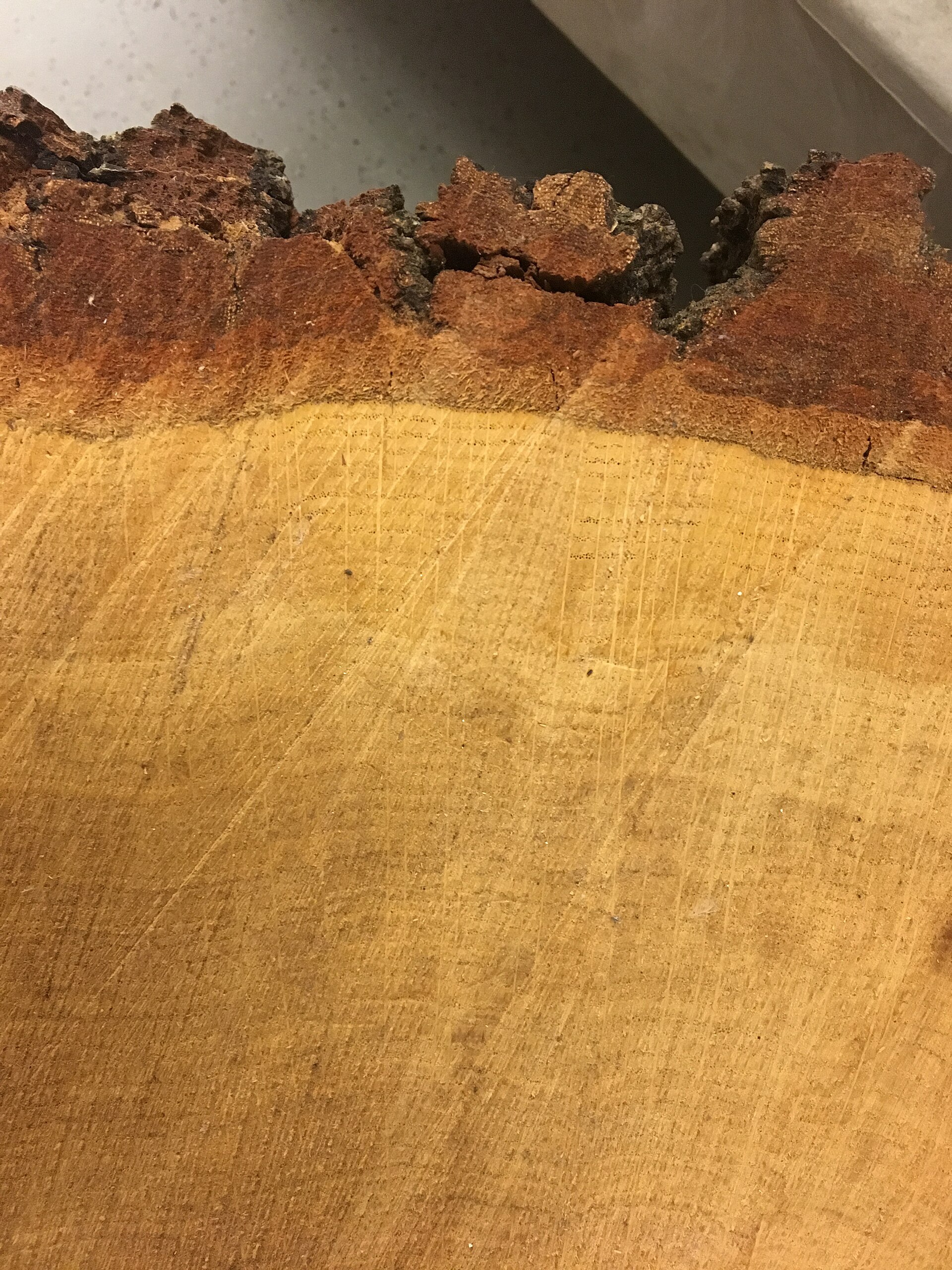
Gretna, Nebraska Cut Down a 100-Foot Oak Outside Bob Tomanek’s Home of 40 Years, and City Code Puts the $3,500 Removal Bill on Him
For 40 years, Bob Tomanek has lived on a Gretna, Nebraska corner shaded by a towering oak. In early October, a city-ordered crew took that tree down, and under Gretna’s code the estimated $3,500 cost of the removal is his to pay, WOWT reported.
The oak, estimated at 100 feet tall, stood on the strip of public right-of-way between the curb and the sidewalk at a busy corner near downtown Gretna. Neighbors argued it looked healthy. The city said its arborist had found it diseased and dying.
A Corner Oak, a Complaint and an Arborist’s Finding
The case began with a complaint. Gretna code inspector Josh Lubrano told WOWT the city responds to citizen complaints rather than surveying trees on its own, and that a complaint about this oak led to an inspection.
The city arborist, working with Gretna’s tree board, reported that the tree had disease and was dying. Lubrano said a falling tree weighing several tons could hurt someone at a corner used by drivers and people on foot. “It’s dying, it’s got disease,” he said.
WOWT described a tree sending mixed signals. Some branches looked hazardous and the trunk had a notch, yet much of the canopy was still green when the removal order stood, and a crew was expected within a week.
WOWT’s reporting did not name the disease. Oaks in eastern Nebraska have been hit by several problems in recent years. The Nebraska Forest Service has tied a decline in eastern Nebraska bur oaks largely to bur oak blight, with herbicide exposure, oak wilt, root decay and borers as other possible factors. Its listed warning signs include leaves browning in late summer, early leaf drop and severe twig and branch dieback.
$2,000 for Trimming, Then a $3,500 Bill
Tomanek had already spent money trying to keep the oak. He told WOWT he paid $2,000 to have it trimmed and that evidently it “wasn’t good enough.” He said he believed the trimming would make the tree safe.
According to WOWT, the city sent the homeowner removal notices starting in early spring. Under Gretna city code, responsibility for a tree in the right-of-way falls on the owner of the adjacent property, so the estimated $3,500 removal bill goes to Tomanek. If it isn’t paid, the city can place a lien on his house.
Tomanek also pointed to the city’s own image. “It’s ironic that they want this tree cut down when they stress the beauty of tree in Gretna,” he said, referring to the city’s logo.
The Day the Crew Arrived
The crew came to remove the oak a few days after the first report. In a follow-up report, WOWT described tension at the corner. Lori Bratka, who lives across the street, said she was upset and tried to talk to the crew. Sarpy County deputies were called but took no action, according to the station.
Neighbor Kirk Bratka disputed the arborist’s diagnosis. He noted that the city’s arborist called the tree dead, then called it “the most healthy dead tree” he had ever seen. Neighbors also pointed to another tree about 50 feet away that had not been marked and, they said, looked worse.
Lubrano’s answer was that green leaves can fool people. “It’s a tree’s last gasp of breath of air. It will green up and then it’s dead,” he said.
Tomanek’s daughter, Kati Dukat, said the family was sad to lose the tree and objected to who pays. “If the city thinks it’s a problem, they need to take care of it and pay for it, not put it on the homeowners,” she said.
Gretna City Administrator Paula Dennison said in a statement that safety comes first and called the removal “a routine code enforcement matter.”
How Hazard Trees Get Judged
Arborists rate a tree’s risk by its defects, not by how green it looks. A USDA Forest Service tree risk assessment form gives its highest defect rating to problems such as severe stem decay, root disease, a severe crack or one at a fork, an unnatural lean, wounds or cankers covering more than half the trunk, or a dead top or dead branch more than 6 inches across.
The same form ties the overall risk to what sits below the tree, with the worst defect weighed against the value of the target. A busy corner with drivers and people walking past, like the one in Gretna, raises the stakes for any defect an inspector finds.
Nebraska has worked to train the people who make those calls. The Nebraska Forest Service has run tree risk assessment workshops for local tree managers, drawing nearly 100 participants from 28 communities, covering how to spot defects, measure the risk they pose and decide what is “reasonable and practical” under the law.
The Gretna case echoes other recent fights over big trees and who pays, from the two heritage live oaks near Charlotte’s Freedom Park to the decaying tree on St. Louis’s Gimblin Street, where a neighbor and the city disagree over who should have cut it.
For homeowners with a large tree on the curb strip, Gretna’s case shows the practical steps: know whether city code makes the tree the owner’s responsibility, keep records of any trimming or arborist reports, and respond to notices quickly, since a second opinion from a certified arborist is only useful before the crew arrives. Gretna directs questions about trees and city code to City Hall at 402-332-3336, according to WOWT.
Get stories like this by email. Sign up for The Parent Diaries Letter.
This article was produced with AI assistance and edited for accuracy against the sources linked above.
Image: Abbypickle – CC BY-SA 4.0/Wikimedia Commons