A Deep Sinkhole Opened Beneath an Orlando Townhome, the City Condemned Two Homes, and the HOA Says the Repairs Fall on the Homeowners
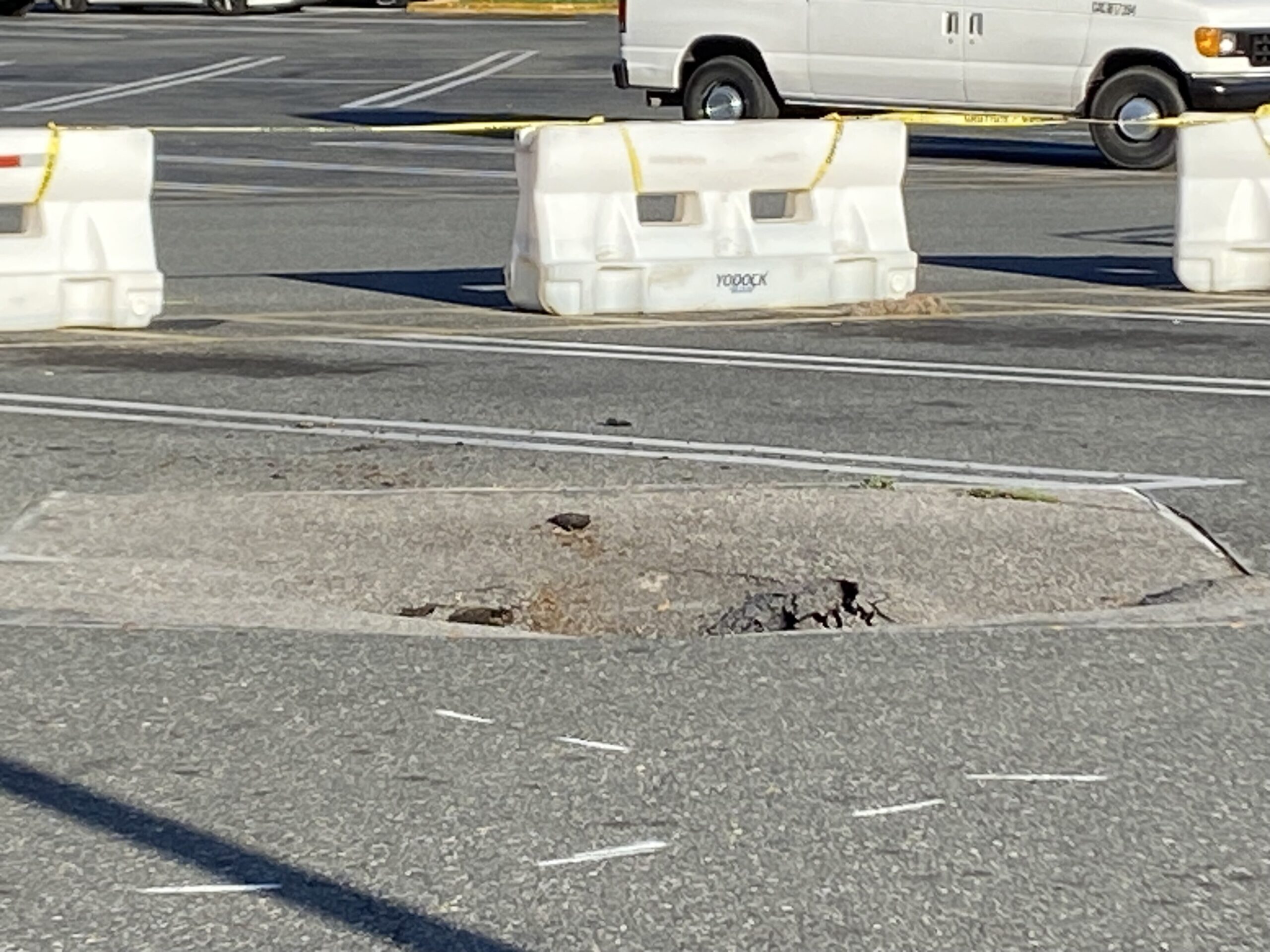
Two condemnation notices went up on a pair of townhomes in Orlando’s Villas of Costa Del Sol neighborhood on Sunday afternoon, Oct. 4, after a deep sinkhole opened beneath the back of one of the units. Orlando police, firefighters and the Red Cross helped residents leave, and the City of Orlando ordered both homes vacated, WKMG News 6 reported. By Monday afternoon, the homeowners association had told residents that repairs are the homeowners’ responsibility because the hole is on private property.
The case shows how quickly a sinkhole can turn into a question of who pays, and why the answer often depends on insurance paperwork more than on the HOA.
A Sunday Evacuation in Villas of Costa Del Sol
Responders arrived around 5 p.m. on Sunday, according to News 6. The station described the hole as deep and located under the rear portion of a townhome; it did not report measurements. The HOA president estimated that seven or eight residents were displaced, and occupants of the two condemned units were told they could not return.
Neighbors were left with questions. Yasmin Kernek, who lives in the community, told the station she was frustrated by how little information residents had received, and said the neighbors were worried about whether the ground problem could spread to other homes. She described the situation as “very scary.”
The HOA president said she did not learn about the sinkhole until Monday morning. The association’s management company said it could do nothing at that time, and News 6 said it was still waiting to hear from the city about next steps for the property and the displaced residents.
Why the HOA Points to Homeowners
The association’s position lines up with how Florida’s state geologists describe sinkhole responsibility. The Florida Geological Survey, part of the Department of Environmental Protection, says in its sinkhole FAQ that sinkholes on private property are the owner’s responsibility and that government agencies do not repair them.
The same FAQ says there is “no agency with responsibility or authority for sinkhole inspections in Florida.” The Geological Survey does not inspect individual holes, though its helpline can offer guidance, and it points property owners to licensed professional geologists or engineers for a site assessment.
News 6 did not report what the Villas of Costa Del Sol governing documents say about the land beneath and behind each unit. The HOA’s message to residents treated the hole as sitting on private lots rather than common area. Those documents often decide the outcome in neighborhood disputes, as in a case where an HOA rule settled who paid for a shared fence.
What Florida Insurance Law Says
For the two condemned homes, the condemnation itself may matter. Florida law requires every insurer that writes property coverage in the state to cover “catastrophic ground cover collapse,” according to Section 627.706 of the Florida Statutes.
That protection is narrow. The statute defines a catastrophic ground cover collapse as geological activity that produces all four of the following: an abrupt collapse of the ground cover, a depression visible to the naked eye, structural damage to the covered building including its foundation, and the structure “being condemned and ordered to be vacated” by a government agency. If any one is missing, the claim does not qualify under that coverage.
Broader sinkhole coverage is a separate, optional product. The law requires insurers to make it available “for an appropriate additional premium,” with residential deductibles of 1, 2, 5 or 10 percent of the dwelling limit. The Florida Department of Financial Services notes in its consumer guide to sinkholes that insurers may decline to offer it when geological testing shows sinkhole activity nearby.
The department’s guide says policyholders should notify their insurer or agent immediately, along with the city or county building department. After a claim, the insurer will likely order geological testing; if it confirms a sinkhole and structural damage, the policy should pay for the testing and repairs minus the deductible. When owners and insurers disagree on the cause or the repair method, Florida’s Neutral Evaluation Program puts an independent engineer or geologist between them. The department’s consumer helpline is 1-877-693-5236.
Steps State Geologists Recommend
The Florida Geological Survey’s checklist for a new hole is short. Keep people and pets away and mark off the area. Stay out of any building showing sinking, sagging or cracking walls. Call 911 if life or property is in immediate danger. Report the hole to the property insurer right away, and do not pour water into it, which can make it larger.
Filling a new sinkhole on private land generally does not need a permit, according to the agency, but the fill should be natural earth materials rather than trash, chemicals or yard debris that could contaminate groundwater. A permit may be required if the hole sits in a wetland or if filling it would change how surface water drains. The Geological Survey also asks owners to report holes so they can be logged in its subsidence incident database.
Florida’s geology makes these events a recurring cost. The state sits on karst, limestone that slightly acidic groundwater slowly dissolves until cavities form and the sediment above caves in, the Geological Survey explains. On its sinkhole research page, the agency calls sinkholes “a geological hazard that place people’s property and even lives at risk,” and notes that the Florida Division of Emergency Management contracted it in 2013 to map the state’s sinkhole vulnerability based on its geology.
For the residents of the two condemned Orlando townhomes, the next steps run through their insurers and their own engineers, not the HOA.
Get stories like this by email. Sign up for The Parent Diaries Letter.
This article was produced with AI assistance and edited for accuracy against the sources linked above.
Image: The Eloquent Peasant – CC0/Wikimedia Commons