A Retired West Philadelphia Copyeditor Stood Beside a Willow Oak Street Tree to Stop a Developer’s Crew That Had No Removal Permit
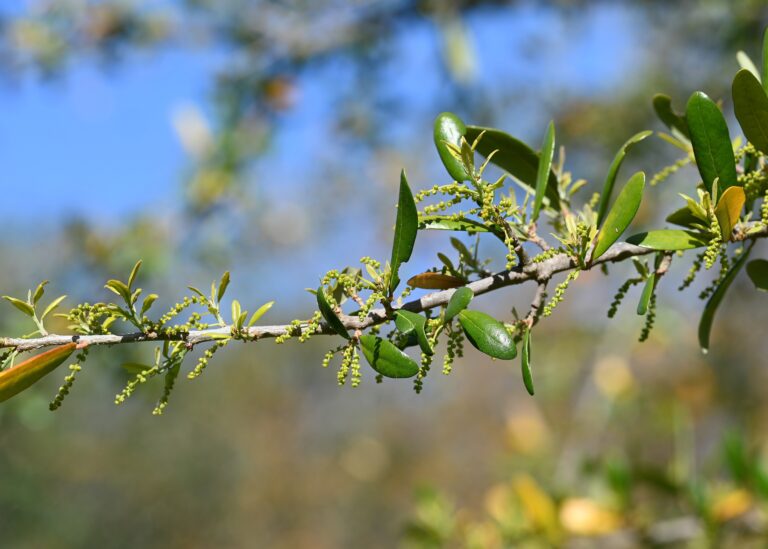
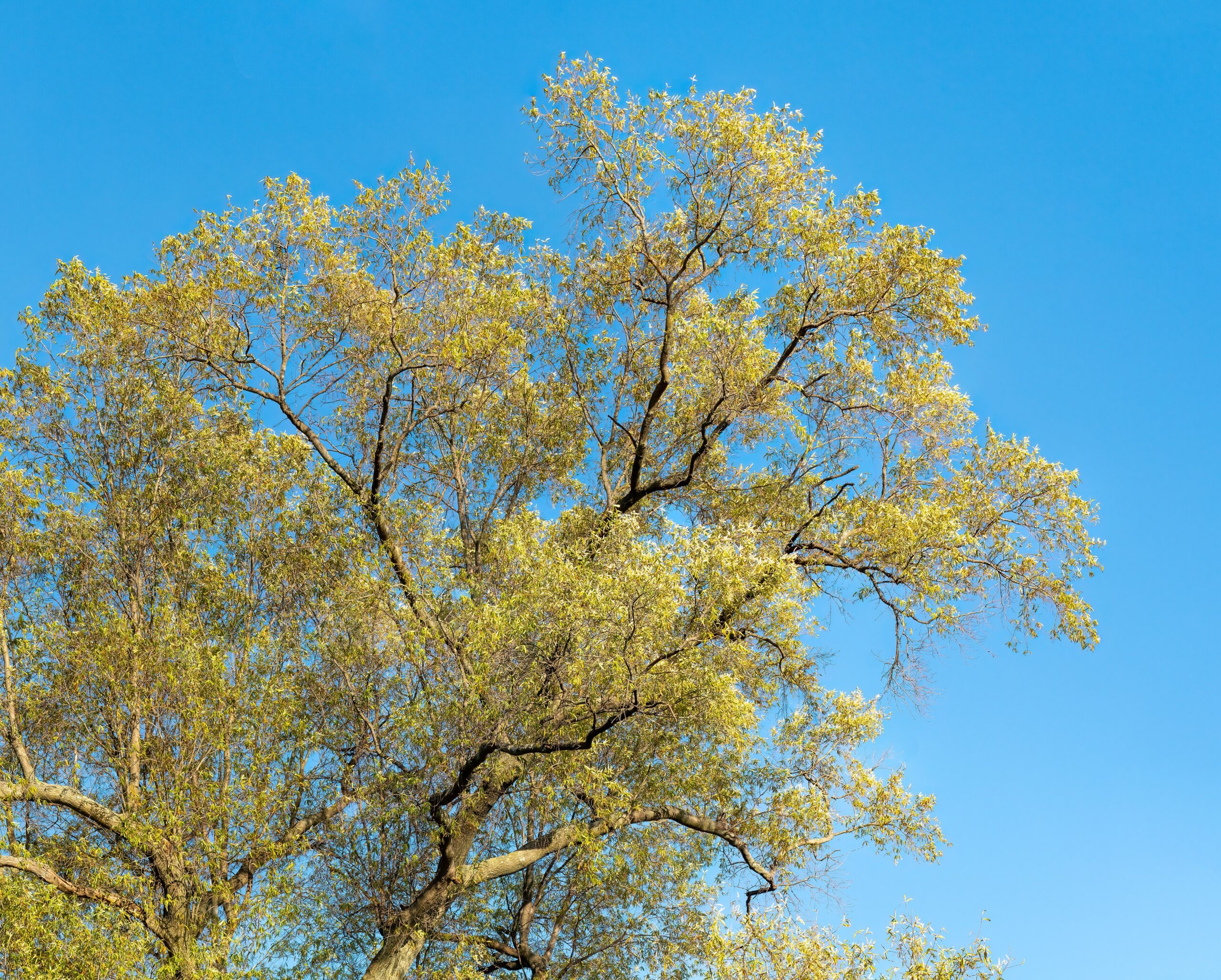
Beth Duddy rents a second-floor apartment across Springfield Avenue from a willow oak in West Philadelphia. When workers began cutting the tree’s branches in late September, the retired copyeditor asked the crew whether they had a permit, and she told Philadelphia Magazine they said no. Then she stood beside the tree, blocking the work.
The crew had been hired to cut the tree down and remove its stump at 4601 Springfield Avenue, near 46th Street. As of the magazine’s Oct. 8 report, the willow oak was still standing.
A Phone Call, Neighbors and a Rally at 46th and Springfield
One of the workers called the developer overseeing the renovation of the house, Tremaine Johnson of Delaware. Duddy described the call as confrontational and said Johnson “spoke at” her. Johnson arrived about an hour later, and neighbors gathered around the tree with Duddy.
Police came but left soon after for a more urgent call, according to the magazine. Johnson later apologized for “coming in heated,” and the two shook hands when a reporter visited the tree.
A week after the standoff, Duddy held a small rally in front of the oak. Abby Heller-Burnham, an artist who lives on 49th Street, came after hearing about the dispute on social media. She told the magazine she would hate to see a tree removed “for no reason, or at all for that matter.”
The house belongs to the BAL Educational Athletics Foundation, a nonprofit based in New Castle, Delaware. Philadelphia Magazine reported that city records show the foundation was previously fined by the Department of Licenses and Inspections for unpermitted work unrelated to the tree.
The Developer Points to Roots and Basement Water
Johnson told the magazine the tree’s roots could damage the property and send water into the basement, and he described removing it as a proactive step. “Nobody just spends thousands of dollars to take a tree down for no reason,” he said. He called the job costly and said he did not want any more headaches in the neighborhood, adding that he had been getting “a lot of grief.”
Duddy says she is not an activist and simply finds the tree beautiful. She now concedes that Johnson is within his rights to take it down, as long as it is done properly.
What Philadelphia Requires Before a Street Tree Comes Down
In Philadelphia, a street tree cannot be cut down on a whim. Philadelphia Parks and Recreation says property owners may hire a certified arborist to work on the street trees beside their homes at their own expense, but the contractor must first get a tree work permit from the department’s Street Tree Management office.
The city itself handles a narrower set of trees. Parks and Recreation removes dead and hazardous street trees when needed and prunes mature ones, but it does not remove living, healthy trees. Philadelphia Magazine reported that unhealthy street trees come down at no cost to the owner, while an owner who wants a healthy one gone pays for the removal after getting a permit. Kiasha Huling of the Philly Tree Coalition called that permit process “more or less a rubber stamp.”
Why This Willow Oak Falls Short of Heritage Protection
Philadelphia does protect some big trees outright. The city’s heritage tree list includes oak species, and under Section 14-705 of the zoning code, listed trees measuring 24 inches or more in diameter at breast height cannot be removed from any property without a special exception approval. That rule applies to developments on existing lots larger than 5,000 square feet.
The Springfield Avenue willow oak meets the species and size tests, according to Philadelphia Magazine, but the lot is about 3,500 square feet, so the heritage rule does not cover it. That leaves the ordinary street tree permit as the main safeguard.
Duddy and Heller-Burnham want the city to require owners to show “just cause” before a removal permit is issued. The magazine reported that Councilmember-at-Large Katherine Gilmore-Richardson is working on a bill aimed at the city’s tree canopy, and Duddy hopes to meet with her and with Councilmember Jamie Gauthier, who represents the neighborhood. In a statement, Gauthier said the city “needs to get serious” about managing its trees. She said a rotting tree in Fairmount Park once fell and injured her uncle and three other people playing dominoes, and that healthy street trees have no legal protection, so residents sometimes take matters into their own hands.
A City Trying to Win Back Its Canopy
The fight over one oak plays out against a bigger loss. A 2018 Parks and Recreation canopy survey cited by the magazine found Philadelphia lost 6 percent of its tree cover between 2008 and 2018. Huling called street trees the city’s biggest opportunity to grow its canopy and recover from that loss. The magazine likened the decline to losing about 100 football fields of trees a year, and the next survey is scheduled for 2028.
The city released the Philly Tree Plan in 2023, its first urban forest strategic plan, setting a 10-year strategy to grow, protect and care for the city’s tree canopy. It is the same tension seen in Charlotte, where two 100-year-old heritage live oaks near Freedom Park are slated to fall for a new home.
For residents who see a crew at work on a street tree, the city’s process offers one simple check: tree work on a Philadelphia street tree requires a permit from the Street Tree Management office, which can be reached at (215) 685-4362 or (215) 685-4363.
Get stories like this by email. Sign up for The Parent Diaries Letter.
This article was produced with AI assistance and edited for accuracy against the sources linked above.
Image: Rhododendrites – CC BY-SA 4.0/Wikimedia Commons