Oregon State Extension Says to Cut Chrysanthemums Back to 4 to 6 Inches After They Bloom and Blanket Garden Beds in 3 to 4 Inches of Leaves
In early November, most garden beds look half finished. The chrysanthemums are browning at the tips, perennial stalks lean over, and fallen leaves sit in drifts against the edges. The job at hand is a short cleanup: cut the mums to a few inches and decide where the leaves belong. Oregon State University Extension’s November garden calendar says to trim chrysanthemums to 4 to 6 inches after they finish blooming, and for Western Oregon it suggests a 3- to 4-inch layer of leaves over the garden plot.
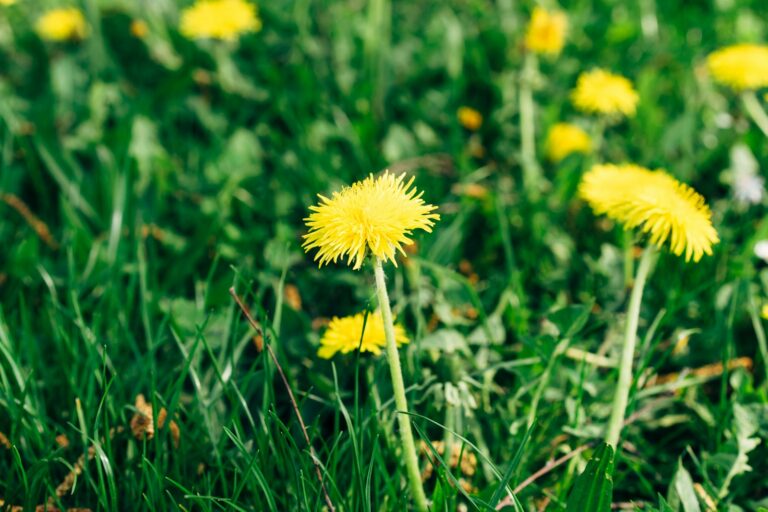
Cutting chrysanthemums to 4 to 6 inches
The OSU Extension November garden calendar gives the instruction in one line: trim chrysanthemums to 4 to 6 inches after they finish blooming. The same calendar tells gardeners to rake and compost leaves that are free of diseases and insects, and to renew mulch around perennial flower beds after removing weeds.
Other extension programs time the cut by the weather. A University of Missouri guide to winter mum care says garden mums should be cut back and mulched once cold temperatures arrive, and that the tops can come off after the leaves have turned brown. Its mulch advice is loose and airy: straw, pine needles or evergreen branches, anchored so wind does not carry them off.
The Missouri guide explains the point of that mulch. It keeps the soil shaded, which limits repeated freezing and thawing that can heave plants out of the ground, and it is not meant to keep mums warm. It says to pull the mulch back from the crown by early to mid-April, after severe cold has passed.
What the 3- to 4-inch leaf layer is for, and where OSU says it applies
The leaf advice in the OSU calendar is tied to a region. Under its Western Oregon notes, the calendar says to use a 3- to 4-inch layer of leaves, spread over the garden plot, to eliminate winter weeds. The statement is not offered as a rule for every climate, and the calendar lists separate tasks for central and eastern Oregon.
The depth matches advice from outside Oregon. A University of Maine Cooperative Extension article says a layer of 3 to 4 inches of leaves helps shield soil from erosion and nutrient loss while feeding soil organisms. It says shredding the leaves with a lawn mower first keeps them from packing down, helps them break down faster and keeps wind from scattering them.
University of Illinois Extension makes the same point about matting. Its guide to using fallen leaves recommends shredding to stop leaves from clumping together and forming a mat that can block moisture from reaching the soil. It lists vegetable gardens, flower beds and the ground around trees and shrubs as places leaf mulch can go, and it does not give a depth.
Cutting back the rest of the bed, according to Connecticut
For perennials other than mums, the University of Connecticut home and garden November tips give a close match. UConn says to cut most perennials back to 3 to 4 inches and to cut peonies, other than tree peonies, to 3 inches above the ground. Perennials that had powdery mildew should be cut to the ground, with the stalks thrown out. Ornamental grasses are left standing for winter interest, a point OSU shares.
UConn also separates cleanup from mulching. It says to wait until the ground freezes, then spread 3 to 5 inches of pine needles, straw or chopped leaves around fall-planted perennials. In a colder state, that is a later step than in Western Oregon, where the calendar frames the leaf layer as a weed-control measure.
The University of Maryland Extension’s November gardening tips add that leaves make good mulch for garden beds and that a mulching mower can shred them on a lawn to speed decomposition. It advises covering bare vegetable beds with leaves or mulch and mulching perennials after the first hard freeze. It also notes that leaving leaves whole is best for wildlife.
Raking, shredding and what to leave for spring
The leaf sources agree on one practical step: run the mower over the pile before it goes on a bed. Illinois Extension warns that unshredded leaves can clump into a mat that keeps water from the soil, which is why the mower step comes first. Leaves from a diseased plant are the exception. OSU says to compost only leaves that are free of diseases and insects, and UConn says to rake and dispose of apple and cherry leaves to reduce insect and disease problems.
Leaf management is often a neighborly issue too, as in one homeowner’s story about a neighbor blowing leaves into his garden.
Other beds have their own November jobs in these calendars. UConn says to mulch garlic beds with 6 to 12 inches of straw or pine needles to prevent frost heaving, and to mulch strawberries with 1 inch of straw or leaves after the ground freezes. OSU says to cover rhubarb and asparagus beds with composted manure and straw. Maryland Extension says to cut asparagus foliage to 2-inch stubs after the first frost and then mulch.
Tools belong on the list as well. OSU says to clean and oil the lawn mower, other garden equipment and tools before winter storage, and to drain and store hoses to avoid freeze damage. UConn adds that clay and ceramic pots should be emptied and stored upside down.
A few things can stay put. OSU leaves ornamental grasses up for winter texture and cuts them back a few inches above the ground in early spring. Missouri keeps the mum mulch on until April. Gardeners outside Western Oregon who want a leaf blanket can follow the Maine and Connecticut depths, with the timing set by their own freeze dates.
Get stories like this by email. Sign up for The Parent Diaries Letter.
This article was produced with AI assistance and edited for accuracy against the sources linked above.
Image: Costel Slincu from Iasi, Romania – CC BY 2.0/Wikimedia Commons