Geraniums Dug Up Before the First Frost Can Spend the Winter in a Paper Bag at 45 to 50 Degrees and Go Back Outside in May
A pot of red geraniums that bloomed on the porch all summer does not have to end up on the compost pile when the first frost arrives. Dug up, shaken free of soil and tucked into a large paper bag, it can sleep through the winter in a cool, dry spot and be back outside by May.
The paper bag is one of three overwintering methods that the University of Illinois, Iowa State, the University of Wisconsin and Purdue University extension services all describe. The catch is timing: every one of them starts before frost touches the plants.
Three Ways to Keep a Geranium Through Winter
Ken Johnson, a horticulture educator with University of Illinois Extension, is blunt about the deadline: geraniums must be dug or moved indoors before the first frost, so gardeners shouldn’t wait until the last minute. Margaret Murphy of University of Wisconsin-Madison Extension says garden-bed plants should be dug carefully before a hard freeze.
From there, the extension guides offer the same three choices. A geranium can come inside as a potted houseplant, it can be stored dormant and bare-root, or it can be started over from cuttings. The paper bag belongs to the bare-root method, where the plant is lifted, cleaned of soil and stored dormant until spring.
In places where the weather service has already declared the growing season over, like Frederick, Maryland and western Loudoun County, any geraniums still outside are on borrowed time.
The Paper Bag Method
Johnson’s instructions are short: put the plants in a large paper bag and set it in a cool, dry spot between 45 and 50 degrees. The Iowa State Yard and Garden team puts one or two plants in each large paper sack and allows a slightly wider range, 45 to 55 degrees.
Murphy notes the bag can be left open for airflow. Her other option, and Iowa State’s “somewhat messier” alternative, is to hang the plants upside down in a cool, dry place.
Purdue Extension’s publication on winter storage of tender plants, by Michael Dana and B. Rosie Lerner, describes that hanging method in detail. The authors dig the plants before frost, shake off the soil without damaging the roots, and hang them upside down in a cool, dark place at 45 to 50 degrees with low humidity. Murphy adds an optional step for the winter: soaking the roots for a few hours several times over the season keeps them from drying out completely.
Keeping Them Growing on a Windowsill
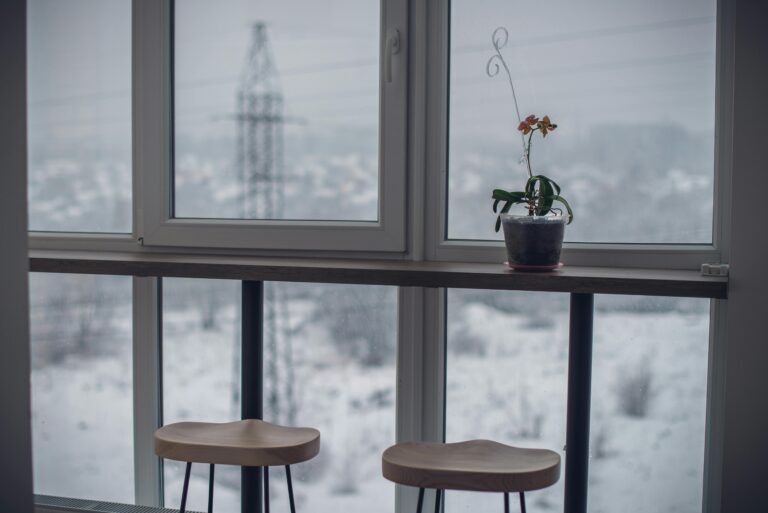
Gardeners with a bright window can skip dormancy and keep the plants growing. Johnson prunes potted geraniums back by one-third to one-half before bringing them in, then treats them like any other houseplant, in a bright, sunny window or under supplemental lights. Days near 65 degrees and slightly cooler nights work best, and the pots get water when the soil feels dry.
Iowa State’s range is 65 to 70 degrees by day. Murphy’s is a little cooler, at 60 to 65 degrees, away from heat sources. Purdue’s guide puts the ideal at 55 to 60 degrees and warns that warmer nights indoors can leave plants spindly. For flowers, it says, geraniums need at least 4 hours of direct sun every day.
Windowsill plants get a trim in spring, too: Iowa State cuts them back by one-half to two-thirds. Purdue does its heavy pruning at the start instead, cutting each potted plant back to about one-third of its original height when it comes in for the winter.
Starting Fresh Plants From 3- to 4-Inch Cuttings
Cuttings are the third route. All four extension guides use the same size: 3- to 4-inch tips from the ends of the stems, cut with a sharp knife or pruners. Iowa State pinches off the lower leaves, dips the base in rooting hormone, and sticks the cuttings in vermiculite or a mix of perlite and sphagnum peat moss, under a clear plastic bag or dome to keep the leaves from wilting.
The cuttings go in bright light but not direct sun, which Murphy says can burn them. Rooting times vary by source: 3 to 4 weeks in Purdue’s guide, about 6 weeks for Murphy, 4 to 8 weeks for Johnson and 6 to 8 weeks for Iowa State. Once rooted, each cutting gets its own pot and a sunny window until spring.
Murphy suggests taking a few cuttings even when using the bare-root method, as a backup, since dormant plants can be slow to restart. The site’s guide to winter tasks that keep gardeners busy until spring has more indoor projects for the cold months.
Waking Them Up in March
Bagged geraniums come out in March. Iowa State’s guide to bare-root geraniums pulls them from storage in mid-March, prunes out the shriveled, brown, dead material, and cuts each plant back to solid, green, live stem. The plants are potted, watered thoroughly and set in a sunny window or under fluorescent lights, and they should begin to leaf out in a few days.
Murphy prunes to about one-third of the original height before potting. Johnson grows the plants indoors from March until they can move outside in May, and Iowa State gives the same month for planting out the March-potted plants.
Purdue’s guide offers a shortcut for the hanging plants: after frost danger passes in spring, cut them back to about one-third of their original height and plant them straight in the garden. Either way, the geranium that went into a paper bag this fall is back in the bed by May.
Get stories like this by email. Sign up for The Parent Diaries Letter.
This article was produced with AI assistance and edited for accuracy against the sources linked above.
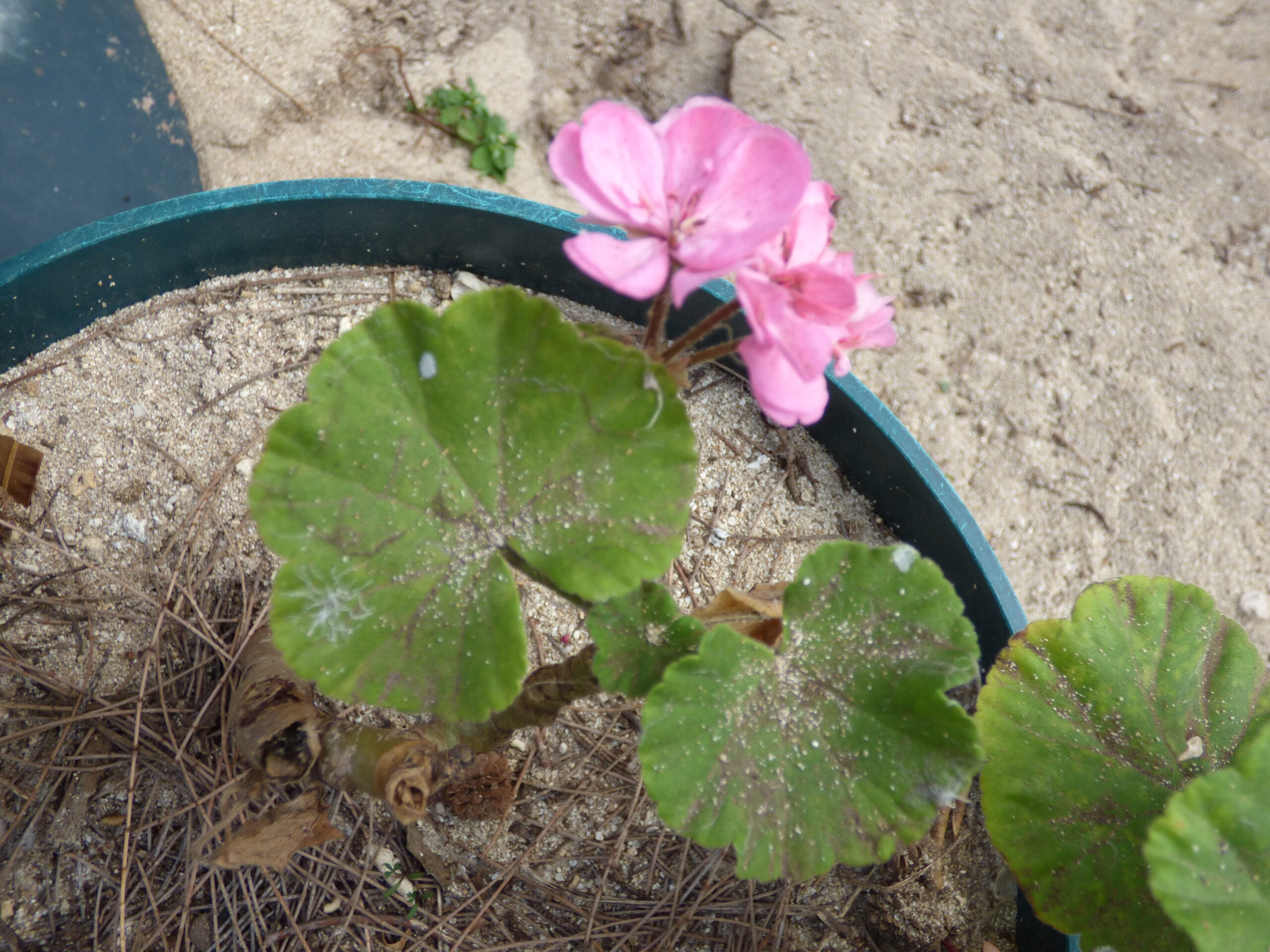
Image: Forest and Kim Starr – CC BY 3.0/Wikimedia Commons