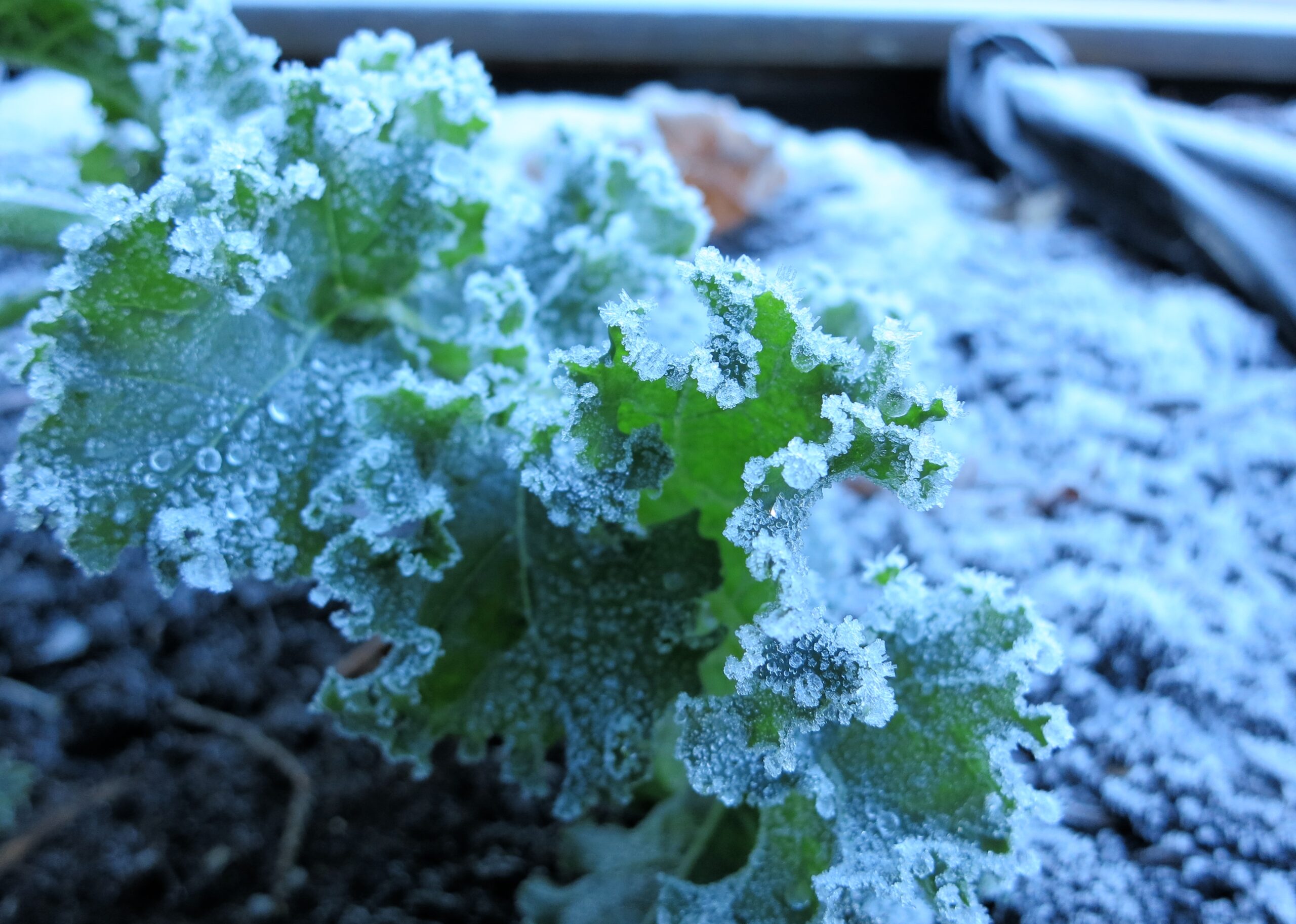
The Weather Service Has Declared the Growing Season Over in Frederick, Maryland and Western Loudoun, Virginia After Several Freezing Mornings
“Growing season has ended for Frederick MD and Western Loudoun counties,” the National Weather Service’s Baltimore/Washington office announced at 9:03 a.m. on Sunday, Oct. 25. In a public information statement, the office said several mornings near and below freezing had closed out the 2026 season in both places, and that it will issue no more frost or freeze alerts there until spring 2027.
The counties already off the frost list
Frederick County, Md., and western Loudoun County, Va., joined a long list of zones west of the Blue Ridge where the season had already ended. The statement names Allegany, Garrett and Washington counties in Maryland; Augusta, Clarke, Frederick, Highland, Page, Rockingham, Shenandoah and Warren counties in Virginia, along with the Central and Northern Virginia Blue Ridge zones; and Berkeley, Grant, Hampshire, Hardy, Jefferson, Mineral, Morgan and Pendleton counties in West Virginia.
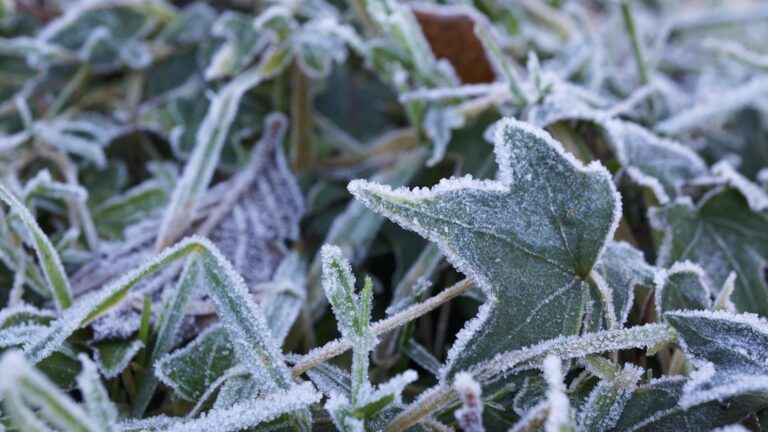
The same morning, frost advisories were in effect from 1 a.m. to 9 a.m. for parts of central and northern Maryland and northern Virginia. Country Herald reported forecast lows of about 33 degrees in Cumberland and Hagerstown, 34 in Winchester, 32 in Luray and 35 in Westminster, with colder valleys and sheltered spots possibly reaching the upper 20s. The weather service said areas farther east were still in their growing season.
The weather service runs its frost and freeze alerts only during the growing season, which it defines as the stretch between the median date of the last spring freeze and the average date of the first fall freeze. The weather service office in Charleston, W.Va., explains on its frost and freeze program page that once a severe or killing freeze happens in the fall, no more frost or freeze products go out until the next spring. It defines hard-freeze conditions as 28 degrees or lower for more than an hour.
How the date compares with Frederick’s averages
The end came within the normal range. University of Maryland Extension’s fall frost and freeze dates page uses Frederick as its example. Based on 1991 to 2020 NOAA climate normals, the city has a 10 percent chance of its first 32-degree reading by Oct. 13, a 30 percent chance by Oct. 23 and a 50 percent chance by Oct. 30. By Nov. 5 the chance rises to 70 percent, and by Nov. 15 to 90 percent.
UMD Extension notes that frost timing can vary within a single town or neighborhood because of wind, elevation and nearby buildings or water.
For gardeners in Frederick and western Loudoun, the practical change is that a clear, calm November night will no longer come with a frost advisory on the phone. Cold forecasts still matter, especially for anyone overwintering tender plants outdoors or still harvesting cool-season crops. UMD Extension’s advice is to keep checking weather websites or local news for frost forecasts.
Crops that are finished, and crops that get sweeter
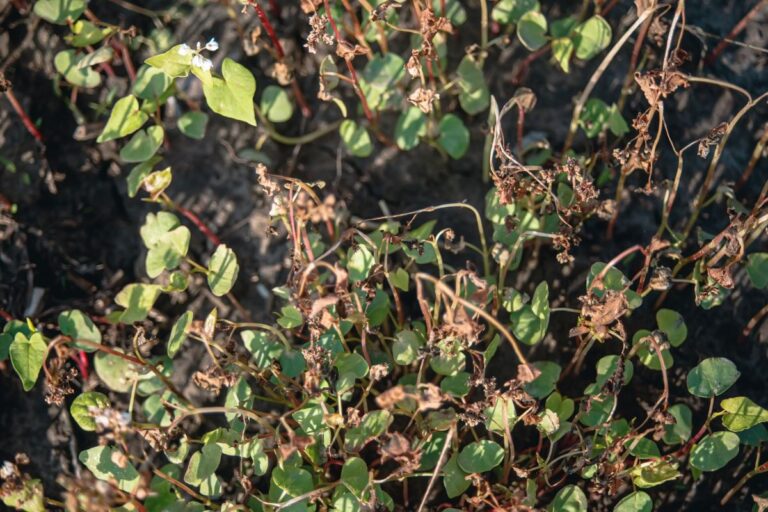
UMD Extension lists basil, tomatoes, cucumbers, peppers, zinnias and marigolds among the plants killed by freezing temperatures, and says pumpkins, winter squash, and white and sweet potatoes can also be damaged by a heavy frost. Tender houseplants and annuals such as geraniums and begonias can come indoors to keep growing through winter.
The Virginia extension guide is blunt about the tender crops. Tomatoes, summer squash, melons, eggplant, cucumbers, peppers and okra cannot withstand frost and should be picked as soon as frost arrives. Corn and beans can be harvested up to the first killing frost. Country Herald reported that temperatures were expected to rebound into the 60s on the afternoon of Oct. 25, a mild afternoon for picking whatever the frost had spared.
The cool-season garden is another story. Virginia Cooperative Extension’s fall vegetable gardening guide says kale, turnips, mustard, broccoli and cabbage withstand light frosts, and that cabbage, cauliflower, broccoli, spinach and Brussels sprouts can handle some cold, with flavor that may improve after frost. UMD Extension says the same about kale, collards, cabbage and turnip greens, whose flavor and texture get better in cold weather.
The Virginia guide lists kale, spinach, evergreen bunching onions, lettuce, parsley, parsnips, carrots and salsify as crops that may survive winter in the garden. It recommends mulching them with 8 inches of material to keep the soil from heaving. Parsnips and Jerusalem artichokes are improved by frost, according to the guide.
Covers, cold frames and frost pockets
The end of the alert season does not mean the end of protecting plants. For a mild frost, with a predicted low no colder than 30 degrees, the Virginia guide suggests covering tender plants with baskets, burlap, boxes, blankets or buckets, and leaving covers on at night so any remaining fruit can keep ripening on warm days. Cold frames should be closed on frosty nights, opened when the air warms, and kept shut on days that stay cold.
Where a garden sits matters, too. The guide says beds sheltered from wind, or on the upper side of a slope, are less likely to take early frost damage, while low, unsheltered spots act as frost pockets.
Landscape trees are part of the end-of-season picture, too. Lovely Garden Roots has reported that Virginia Cooperative Extension recommends deep weekly watering for drought-stressed landscape trees until the first frost, after a year of dry weather. For Frederick and western Loudoun, that first frost has now come and gone, and the next frost advisory will be a spring 2027 event.
Get stories like this by email. Sign up for The Parent Diaries Letter.
This article was produced with AI assistance and edited for accuracy against the sources linked above.
Image: Ruth Hartnup from Vancouver, Canada – CC BY 2.0/Wikimedia Commons