About 90 Days of Easy Water Left: Durham’s Reservoirs Sit at 37 Percent, and Lawn Watering Stays Banned
Durham’s two drinking-water reservoirs were at 37 percent of capacity on Oct. 24, enough for about 90 days of easily accessible water, Spectrum News 1 reported. The city has been under Stage 2 water restrictions since June 15, and its top water official now expects some form of restriction, including the ban on watering lawns, to last through the winter.
Half of normal for late October
James Lim, the city’s water efficiency and conservation program manager, told Spectrum the lakes were “about 36% in capacity,” roughly half of where they would normally be at this time of year. Durham draws its drinking water from Lake Michie and Little River Reservoir, and both depend on rainfall to refill.
Rain has been scarce for most of the year. The federal Drought.gov page for Durham County lists January through September 2026 as the 11th-driest year to date in 132 years of records, 9.15 inches below normal. September alone was 1.48 inches short.
The N.C. Department of Environmental Quality said on Oct. 22 that rain from the Oct. 10 and 11 storm helped central and eastern North Carolina, but that nearly half the state remains in some stage of drought, with extreme drought hanging on in parts of neighboring Person and Granville counties. Klaus Albertin, chair of the N.C. Drought Management Advisory Council, said that “every little bit of precipitation counts” as the state recovers from a year-long drought.
Lawns off-limits, garden beds by hand
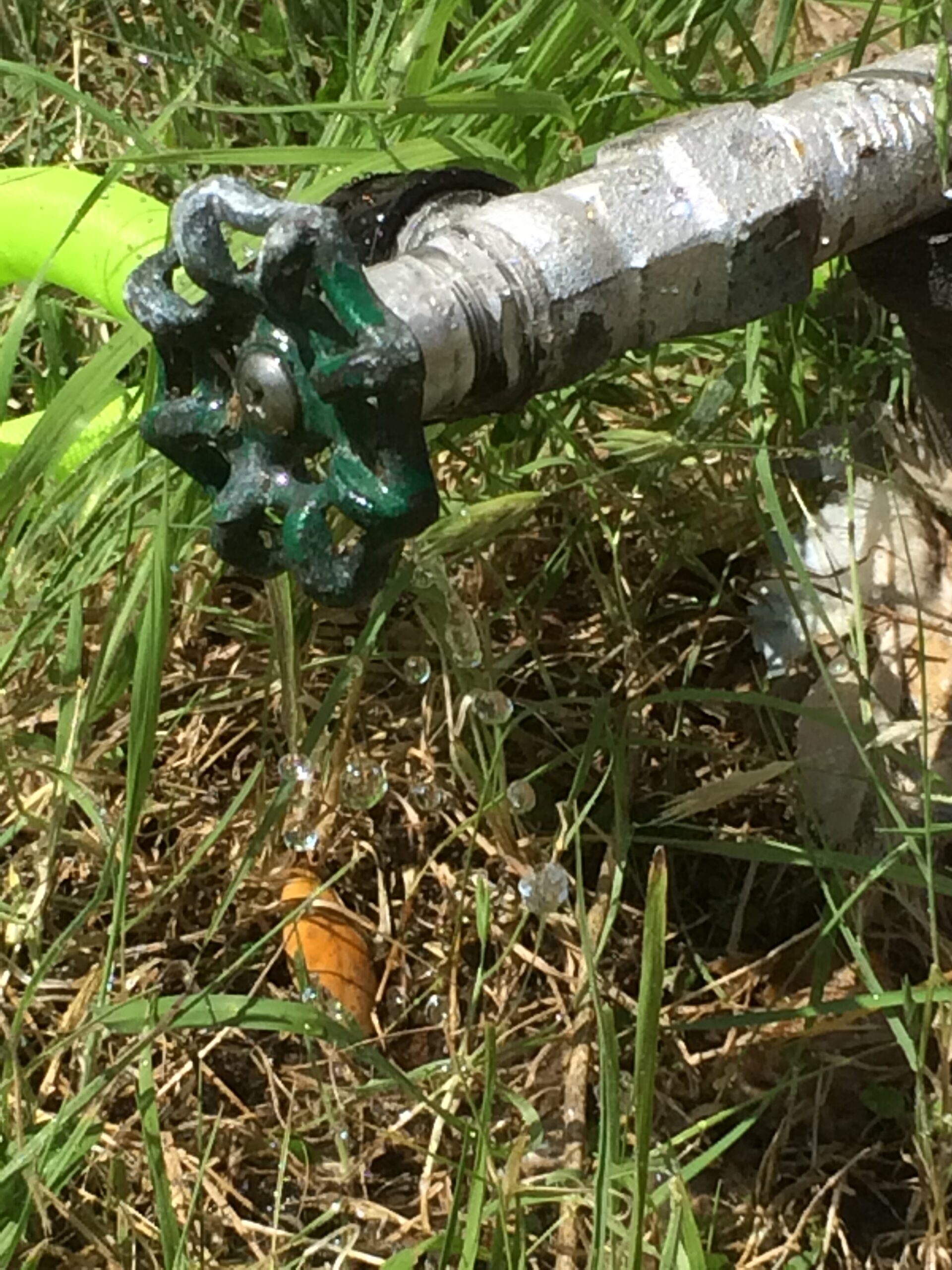
The city’s Stage 2 announcement bans spray irrigation and limits car washing to compliant commercial car washes. It asks large water users to cut use by 30 percent and stops new landscape-exemption licenses. Drip irrigation and hand watering are allowed only with a hose attachment that has an automatic shutoff, and the restrictions stay in place until both reservoirs are full again.
ABC11 reported on Oct. 29 that automatic and hose-end sprinklers are both prohibited. Spectrum’s summary of the rules lists watering lawns, washing cars at home and hosing down driveways or sidewalks as off-limits unless there is a direct health or safety need. Trees, shrubs and vegetable beds can still be watered by hand with a shutoff nozzle, or with drip lines.
Enforcement so far has been gentle. The station reported that officials had recorded more than 400 violations, but had not issued any fines.
Water from Cary, a quarry and a long winter
To stretch what is left in its own lakes, Durham is buying water from the Town of Cary to use its share of Jordan Lake and is pulling water from Teer Quarry, Lim, whom ABC11 identified as the city’s water resources manager, told the station. He said he expects some form of restriction to stay in place for a while, and that residents will be living with it through the winter.
Jordan Lake, the supply Durham is now tapping through Cary, is not full either. DEQ’s Oct. 22 update put it about 2.5 feet below normal, with its water quality pool at 65 percent. Neighboring Raleigh is in a different position: ABC11 reported that its main supply, Falls Lake, was 67 percent full and would have to drop to 40 percent before the city imposes restrictions. That split is why gardeners a few miles apart in the Triangle can be living under very different watering rules this fall.
The dry spell is showing up at garden centers, too. Jon Emery, manager of Barnes Supply Company in Durham, told ABC11 that sales of fall plants such as mums and pansies have dropped, because customers have held off on plants they could not water. Nov. 18 will mark one year since Durham was first placed in drought, the station reported.
Officials told Spectrum that tighter rules could follow if rain does not come soon. For now, the city’s message is shorter showers, fixed leaks and no sprinklers.
Keeping trees and lawns alive on less water
Durham County’s Extension Master Gardener volunteers have published drought gardening advice through NC State Extension that fits the current rules. Trees and shrubs planted in the last two years should get first priority for water, because their roots are not fully developed. The guidance calls for watering slowly and deeply, with longer sessions held less often, using a soaker hose or drip line in the early morning.
Two to four inches of organic mulch can keep soil 5 to 15 degrees cooler than bare ground, according to USDA figures cited in the guide, which slows evaporation. Lawns, which Spectrum reports cannot be watered under Stage 2, mostly have to ride it out. Warm-season grasses such as zoysia, centipede, St. Augustine and Bermuda generally recover from drought better than cool-season grasses. Cool-season grasses may go semi-dormant and take more lasting damage, the guide says.
The guide also says to stop applying herbicides and fertilizers to drought-stressed turf, limit foot traffic and mow as little as possible, at the highest recommended height with a sharp blade. For the trees, shrubs and beds that can still be watered, Durham’s rules require a hand-held hose with an automatic shutoff or a drip system.
Durham is not the only city where lawns are going without water this season. Lovely Garden Roots reported that Denver Water banned all lawn watering on Oct. 1 and plans to keep sprinklers off into spring 2027.
Get stories like this by email. Sign up for The Parent Diaries Letter.
This article was produced with AI assistance and edited for accuracy against the sources linked above.
Image: TCAtexas – CC BY-SA 3.0/Wikimedia Commons