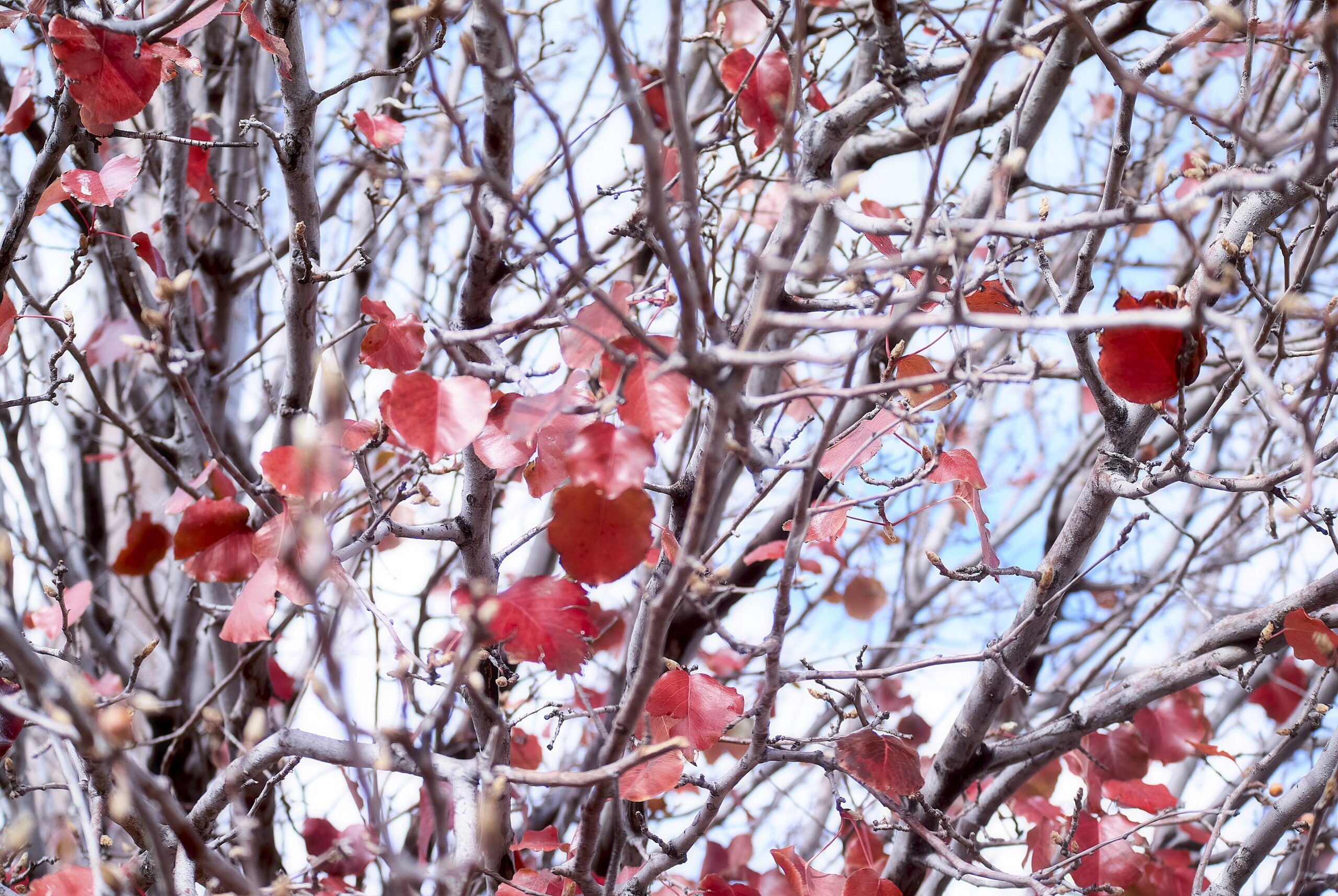
Kentucky Homeowners Can Cut Down a Bradford Pear and Trade a Photo of It for a Free Native Tree, With a Georgetown Bounty Event Set for Oct. 26
The deal is simple: cut down a Bradford pear, take a photo of it, and bring that photo in exchange for a free native tree. That swap is the heart of the Kentucky Bradford Pear Bounty, and its last scheduled stop of the fall is in Georgetown on Monday, Oct. 26.
The program is run by University of Kentucky Forest Health Extension, participating county Extension offices and the Kentucky Division of Forestry. Its goal is to pull a fast-spreading invasive tree out of home landscapes and put native trees back in their place.
How the Bradford Pear Trade Works
According to the University of Kentucky’s program page, homeowners find a county event, cut down their Bradford pear, take a picture as proof and take home a free native tree while supplies last. The page notes that the effort builds on events held in Franklin County and elsewhere since 2022, and that each county sets its own rules, so the host office is the place to check details.
When the bounty first launched, the university described the swap as an even trade. Kentucky property owners could exchange their Bradford pears for an equal number of young native replacement trees, with tree specialists on hand to help them pick a tree suited to their yard, according to a 2022 announcement from UK’s Martin-Gatton College of Agriculture, Food and Environment.
“These new trees are native trees that will be a better fit long-term than Callery pear,” Ellen Crocker, a UK assistant professor of forest health extension, said at the time.
That first fall, the university also pointed out an extra option for Lexington residents: Fayette County homeowners could have city arborists remove Callery pear street trees at no charge. The 2022 events in Franklin County and at The Arboretum in Lexington were open to all Kentucky residents, not only those in the host county.
The basic trade has not changed as the program has spread to more counties. The proof is a photograph of the removed tree, and the reward is a young native tree chosen for the homeowner’s site rather than another fast-growing ornamental that could cause the same problems years later.
The Georgetown Event on Oct. 26
The Scott County Extension Office at 1130 Cincinnati Road in Georgetown hosts its bounty event on Oct. 26 from 5 to 7 p.m., according to both the UK program page and a WKYT report on this fall’s schedule. The office lists (502) 863-0984 for registration and questions.
Georgetown is the last date on this fall’s published calendar. Earlier stops ran in Boone County on Oct. 9, at the UK Arboretum in Lexington on Oct. 11, in McCracken County on Oct. 14, in Estill County on Oct. 15 and 16, in Christian County on Oct. 16, and in Warren County on Oct. 9 and Oct. 12.
Warren County ran a different version. There, residents who cut a tree and turned in a selfie with it at the Extension office received a $50 voucher toward a new tree from a local nursery, according to the UK page. Several counties noted that trees were limited and handed out first come, first served.
Why Kentucky Wants These Trees Gone
The Bradford pear is the best-known cultivar of the Callery pear, a tree native to Asia. Penn State Extension says it was brought to the U.S. in the early 1900s as rootstock for domesticated pears, and planting it as a street and ornamental tree took off in the 1960s.
The trouble started when different cultivars were planted near each other. Penn State Extension explains that the trees were bred to produce sterile fruit, but varieties growing within insect-pollination distance often produce fertile seed. Birds eat the small fruits and drop the seeds far from the original tree.
The University of Kentucky says those seeds sprout into dense, thorny thickets along fencerows, pastures, roadsides and forest edges, crowding out native trees and wildflowers. In home yards, the university adds, the branches are weak and can split in wind and ice storms, the spring blooms smell unpleasant and the trees are short-lived.
“Originally, the Bradford pear was hailed as this ideal tree,” Crocker said in a 2023 UK news release. She added that a Callery pear in a yard gives its owner “a great excuse to upgrade it to something better.” That release said replacement trees have included species such as redbud, serviceberry and dogwood.
Cutting Is Only the First Step
A felled Bradford pear does not always stay gone. The UK program page warns that cut stumps resprout unless they are treated. Penn State Extension says cutting or mowing triggers new shoots from the shallow roots, and that cut surfaces or the resprouts need an herbicide treatment, with oil-based triclopyr able to go on a stump any time after cutting and water-based mixes needing to go on right away. The extension also stresses follow-up checks, since the species readily reinvades if a seed source stays nearby.
For homeowners choosing what to plant instead, a Kentucky native-alternatives brochure posted by the state’s Division of Forestry lists serviceberry, American hornbeam, native hawthorns and Chickasaw plum as replacements for Callery pear.
Kentucky is not the only state where tree threats are reaching home landscapes. In New Jersey, beech leaf disease has now infected more than 200 trees in the old-growth Saddler’s Woods.
Residents who missed this fall’s dates can find the program’s resources, including the University of Kentucky’s field guide to the state’s invasive plants, on the Bradford Pear Bounty page, and can contact their county Extension office about future events.
Get stories like this by email. Sign up for The Parent Diaries Letter.
This article was produced with AI assistance and edited for accuracy against the sources linked above.
Image: Almapayokels – CC0/Wikimedia Commons