Denver Water Has Banned All Lawn Watering Since Oct. 1, and Sprinklers Must Stay Off Into Spring 2027 Until the Board Sets New Terms
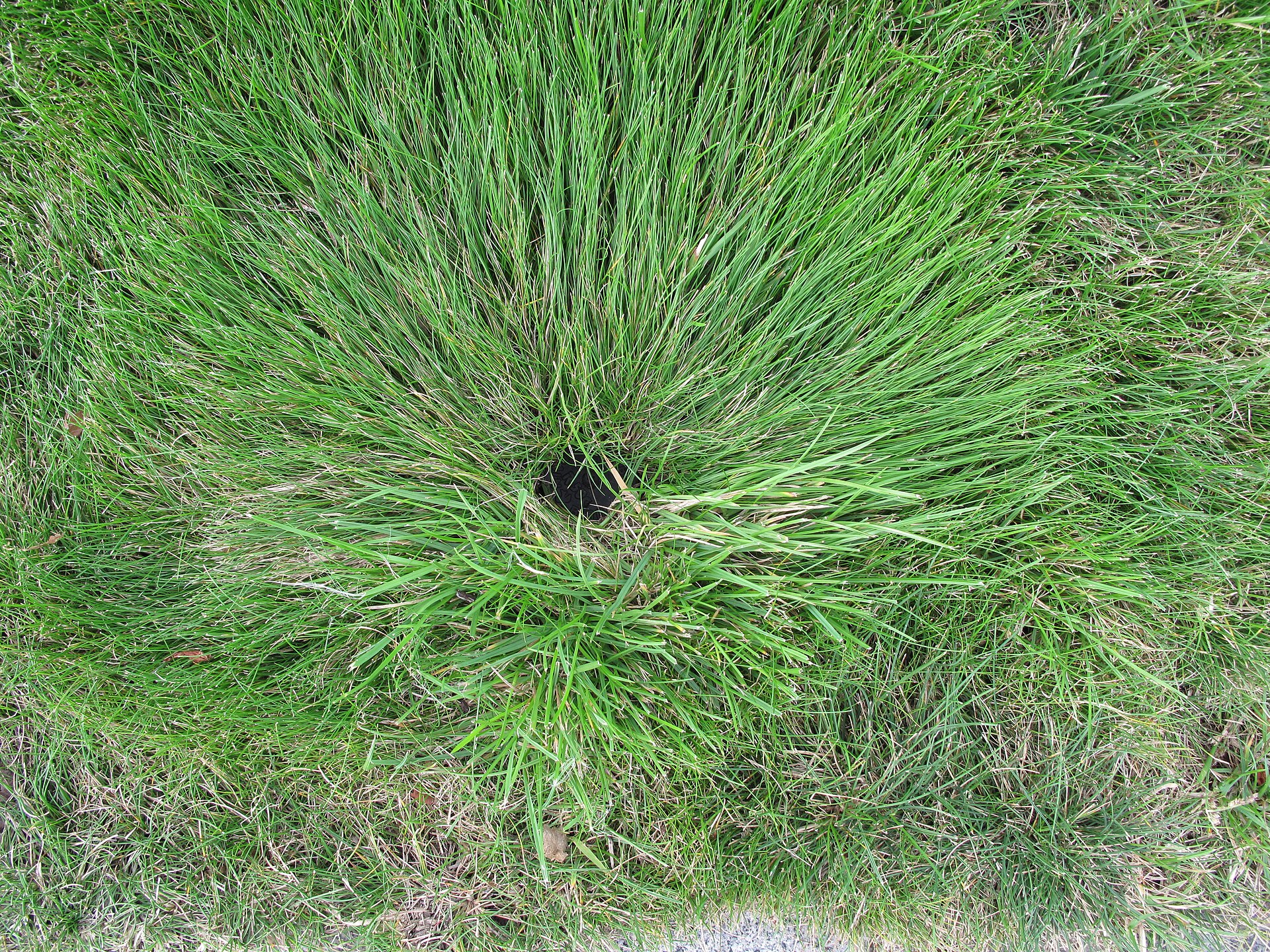
Sprinklers across Denver have been off since Oct. 1, and under the current order they will stay off into spring 2027. Denver Water’s board banned the watering of all grass in its service area after Sept. 30, and the ban lasts until the board sets new terms. Denver Water CEO Alan Salazar called it critical that customers shut their sprinklers off on that date so the utility could stretch its water supply.
Trees, shrubs, gardens and vegetables can still be watered by hand. Lawns cannot.
What the board ordered, and what is still allowed
The Denver Board of Water Commissioners voted unanimously on Aug. 26 to end the lawn watering season on Oct. 1, Denverite reported, including all spray irrigation. The board did it by amending the Stage 1 drought declaration it first approved in March.
The legal text is short. Board Resolution #002a-2026 states: “Watering of all grass is prohibited after September 30, 2026.” The restrictions took effect Oct. 1 and remain in place “through and until further action of the Board.”
The resolution still allows some outdoor watering:
- Trees, shrubs and perennials “may continue to be watered any day” with a hand-held hose fitted with an automatic shutoff nozzle, or with low-volume, non-spray irrigation such as drip lines.
- Annuals and vegetables may be watered the same way until the first frost.
- High-traffic grass at parks, schools and athletic fields may be watered only under a water budget or variance approved by Denver Water.
- Planting new grass is barred except under an approved variance.
Spray irrigation is not allowed for any of those uses. Customers on recycled water may keep irrigating under standard rules, and irrigation systems can be run for installation, repair or reasonable maintenance as long as someone attends them the whole time, according to Denver Water’s announcement.
Why Denver shut the sprinklers off early
Denver Water usually recommends shutting irrigation down before the first frost, around Oct. 7. This year it made the shutoff mandatory and enforceable.
The reason is the water supply. In late August, Denver Water said its reservoirs were 72% full, compared with a historic median of 94% for that time of year. Natural streamflow from April through July totaled 95,000 acre-feet, 22% of normal and the lowest since record keeping began 110 years ago. Through July, the Denver metro area was having its hottest year on record, with daily highs averaging five degrees above normal and precipitation four inches below normal.
Earlier rules had not saved enough. When the board declared a Stage 1 drought on March 25, it set a goal of cutting water use by 20%, limited single-family homes to two watering days a week and banned watering between 10 a.m. and 6 p.m., according to the utility’s Stage 1 notice. Even-numbered addresses watered Sunday and Thursday, and odd-numbered addresses Wednesday and Saturday. Drought pricing was added in April for heavy outdoor water use.
By July, the utility had reached only about a tenth of its savings goal, Denverite reported. Denver Water said many customers were using more water on their permitted days to keep landscapes alive. Ending the season early was expected to save about 5,000 acre-feet.
Tyrone Gant, president of the Board of Water Commissioners, said formally ending lawn watering on Oct. 1 would help stretch supplies. Greg Fisher, Denver Water’s manager of demand planning, asked customers to “care more and water less.”
Fines, citations and the first weeks of the ban
The resolution treats grass watering after Sept. 30 as “an unauthorized use of water and a willful violation.” Penalties can include fines of up to $2,000, a flow restrictor on the property, suspension of water service and revocation of the tap license.
Enforcement started right away. In mid-October, Colorado Politics reported that Denver Water had issued nearly 300 citations and assessed $175,500 in fines since the ban began. Single-family customers face a $500 fine for a violation, while multifamily and nonresidential customers face $1,000 for a first violation. Repeat violations can double the fine and lead to a water shutoff.
Use dropped sharply. In its Oct. 19 supply update, Denver Water said use from Oct. 1 to Oct. 18 was 33% below the five-year average, saving about 1.2 billion gallons, or 3,700 acre-feet. Even so, reservoirs were 66% full on Oct. 19, compared with an average of 89% for that date. The utility, which serves about 1.5 million people in Denver and nearby suburbs, said this is its fifth Stage 1 drought since 2000 and the first since 2013.
The snow that feeds those reservoirs fell far short last winter. Snowpack in the South Platte River Basin peaked at 42% of normal on March 17, the lowest peak on record, and the Colorado River Basin peaked at 58% of normal a day later.
What spring 2027 could look like
The ban has no end date. Denver Water has said lawn watering will stay prohibited until the board determines how and when it can resume, so sprinklers must remain off in spring 2027 unless the board passes a new resolution.
The outlook is not encouraging. Denver Water staff projected storage could fall to 60% before the 2027 runoff season, and officials quoted by Colorado Politics warned it could drop to 55% to 60%. Filling the reservoirs would take a winter snowpack above 150% of normal plus a strong runoff, something Denver Water spokesperson Jimmy Luthye said Denver has not seen in 30 years. Brian Domonkos, the state’s snow survey supervisor, said it would take several good snowpack years in a row to erase the deficit.
Stage 2 drought restrictions, which would ban outdoor watering, have never been put in place in Denver, though officials said that could happen next year.
Colorado homeowners have already felt the squeeze between drought rules and green-lawn expectations, including one who received an HOA lawn violation while officials urged residents to save water. Others have looked for ways to keep a yard alive with less water, like the gardener whose garden outlasted the street’s lawns without irrigation. In Denver, the next decision on grass rests with the board.
Get stories like this by email. Sign up for The Parent Diaries Letter.
This article was produced with AI assistance and edited for accuracy against the sources linked above.
Image: Juan de Vojníkov – CC BY-SA 3.0/Wikimedia Commons