Nobody Believed Her Garden Could Survive the Drought Without Irrigation, Until the Rest of the Street’s Lawns Turned Brown First
When the city urged everyone to cut back on outdoor watering, most of my neighbors assumed every yard on the block would soon turn brown. They looked at my flower beds and vegetable patches with sympathy, convinced they would be the first to disappear.
I thanked them for their concern but quietly continued following the gardening methods I had spent years learning. By the end of the summer, the entire neighborhood was talking about my yard for a very different reason.
The Yard Everyone Thought Was Too Ambitious
When I bought the house, the backyard was little more than dry soil and patchy grass. Friends suggested keeping things simple because maintaining a large garden would require endless watering during hot summers.
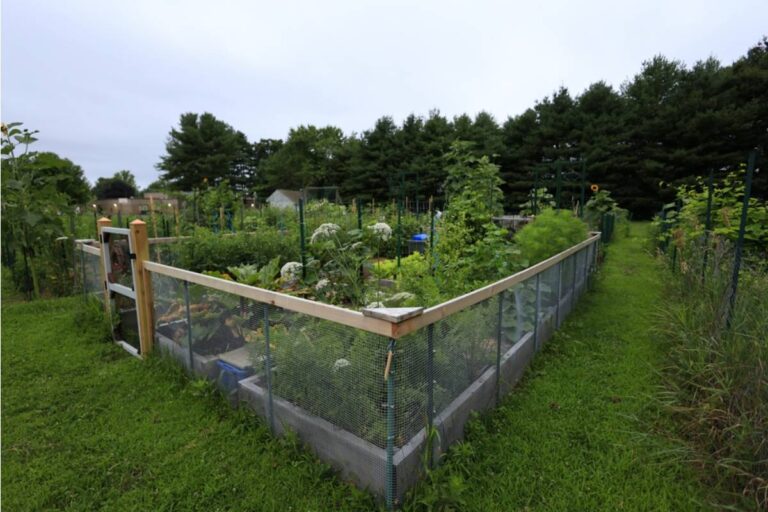
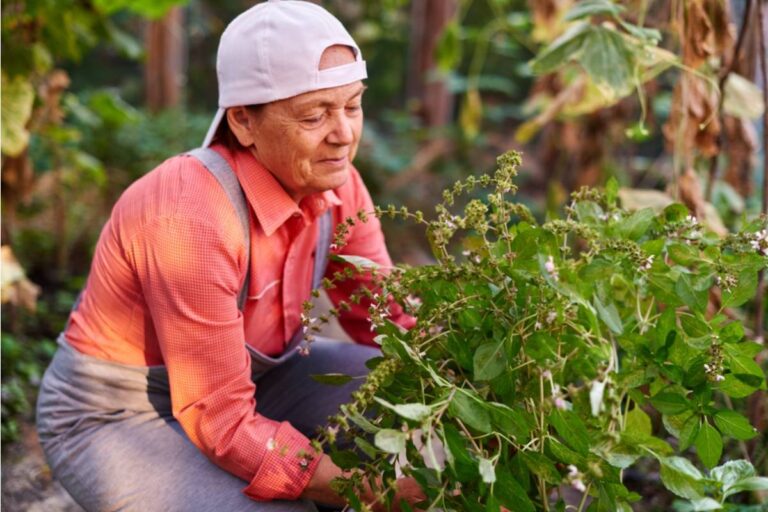
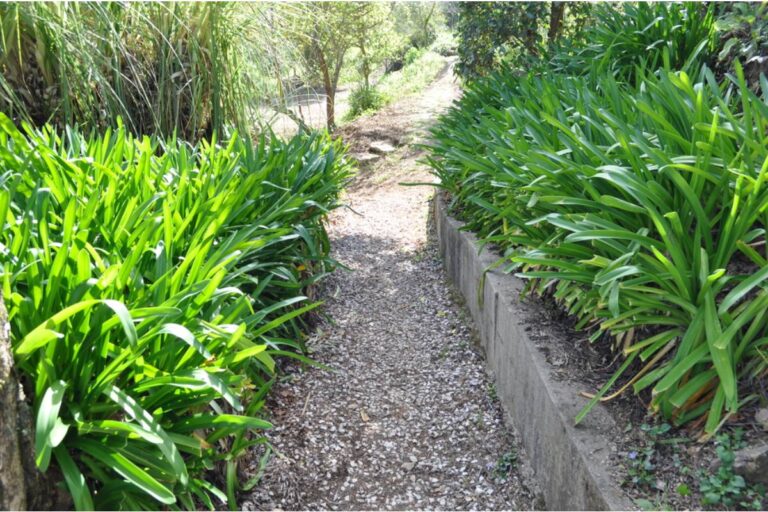
Instead, I removed most of the lawn and replaced it with native flowers, herbs, fruit bushes, vegetables, and shade producing shrubs. I spent months studying how plants naturally survived in dry climates instead of depending on sprinklers.
Many people admired the colorful design, but very few believed it could last through a serious drought.
Advice Came From Every Direction
As soon as the first dry spell arrived, neighbors started offering suggestions.
“You’ll need automatic irrigation,” one man said while walking his dog.
Another neighbor recommended installing several expensive sprinkler zones before it was too late. Others warned that vegetables would never survive without constant watering.
I smiled politely because they meant well, even though they misunderstood what I was trying to accomplish.
Years of Preparation Stayed Hidden
What nobody noticed was everything happening below the surface.
Every fall I covered the soil with compost and natural mulch instead of leaving it exposed. I planted ground covers that shaded the earth and reduced evaporation. Deep rooted native plants helped loosen compacted soil, allowing moisture to remain much longer after rain.
Those improvements were invisible from the sidewalk.
The flowers received compliments, but the healthy soil quietly did most of the work.
The City’s Restrictions Changed Everything
Eventually the city announced strict outdoor watering restrictions after reservoir levels dropped lower than expected.
Sprinklers could only operate during limited periods, and residents were encouraged to reduce unnecessary water use wherever possible.
People immediately worried about their lawns.
Garden centers filled with homeowners searching for products that promised to rescue drying grass before it was too late.
My Routine Stayed Surprisingly Simple
While others constantly adjusted watering schedules, I followed the same routine I had practiced for years.
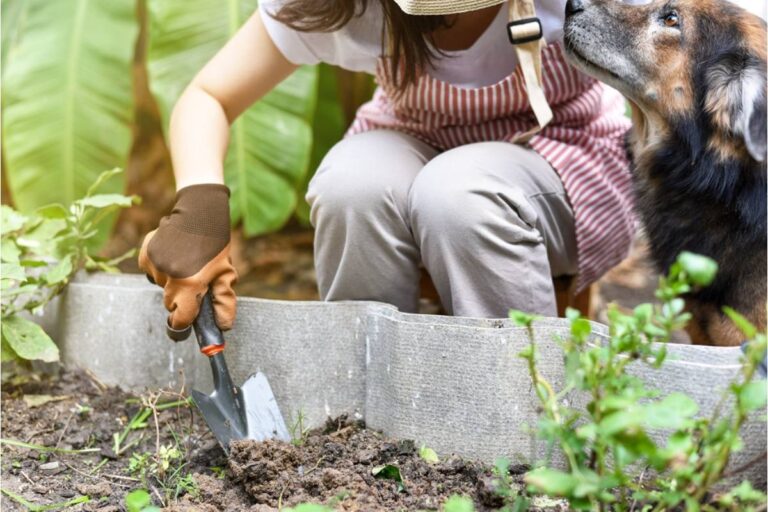
Every few mornings I carried a watering can directly to young vegetables that still needed extra help. Established plants received almost nothing except occasional collected rainwater stored from earlier storms.
I never watered during the hottest part of the day.
Every drop went exactly where it mattered.
The Comments Became More Confident
As the drought continued, my neighbors became certain they had predicted the outcome correctly.
Mrs. Dalton stood near the mailbox one afternoon and looked toward my backyard.
“I’d enjoy those flowers while you still can,” she said kindly.
“They won’t last another month.”
I thanked her and changed the subject.
There was no point arguing with predictions.
An Unexpected Change Appeared Across the Street
A few weeks later something unusual happened.
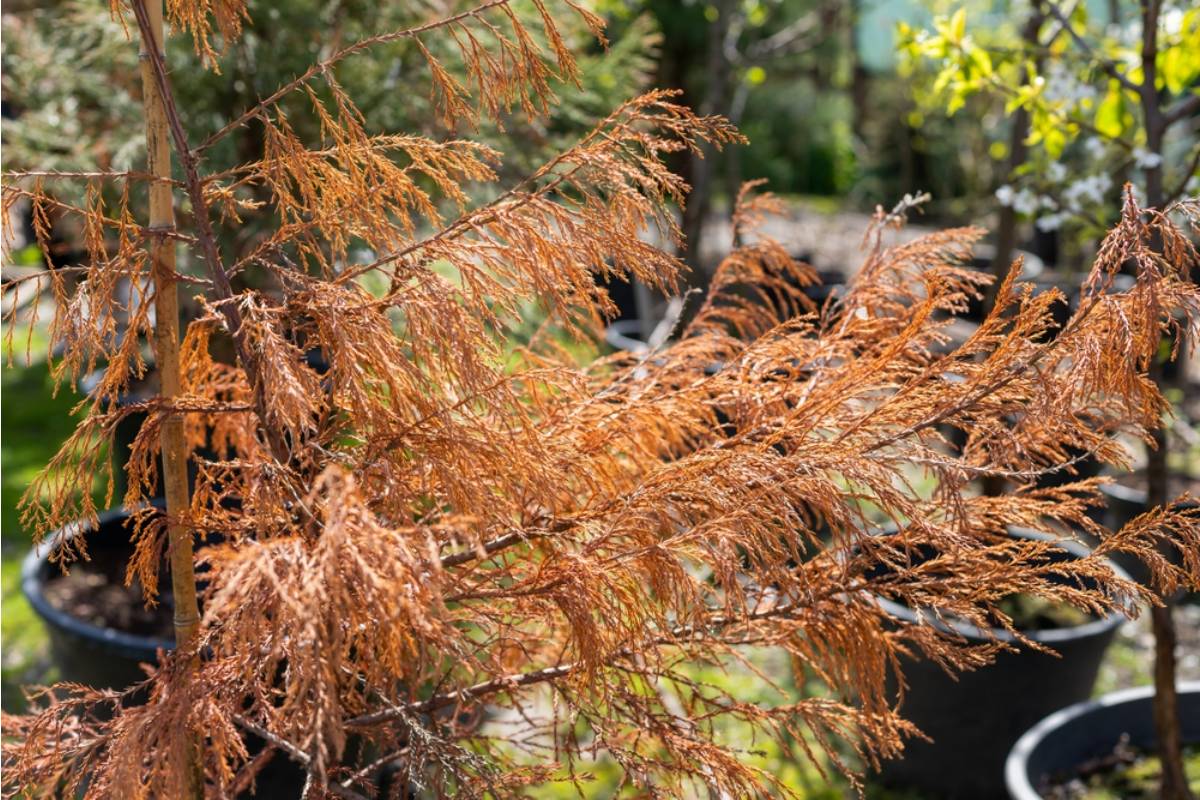
Perfect green lawns that had always depended on regular irrigation began fading into uneven shades of yellow and brown.
Meanwhile my native flower beds remained colorful.
The vegetable garden continued producing tomatoes, peppers, beans, and herbs. Bees still visited every morning, and butterflies floated between blossoms as if nothing had changed.
People walking past slowed down to stare.
Curious Visitors Started Knocking
One Saturday, my doorbell rang three different times.
Each visitor asked essentially the same question.
“How is your garden still alive?”
Instead of guarding my methods like secrets, I invited everyone into the backyard. I showed them the thick mulch, shaded soil, compost layers, and carefully chosen plant varieties that naturally tolerated dry conditions.
Most were surprised by how ordinary everything looked.
The Neighborhood Meeting Took an Unexpected Turn
Our homeowners association held its monthly meeting while the drought remained severe.
Normally landscaping discussions focused on keeping lawns green.
This time nearly every conversation centered on reducing water use without sacrificing attractive yards.
To my surprise, the association president asked whether I would explain how I planned my garden.
Several people who had previously criticized the design listened closely while taking notes.
One Neighbor Refused to Be Convinced
Not everyone accepted what they saw.
A man named Richard insisted I must be secretly watering at night.
He claimed no garden could stay healthy without breaking the city’s restrictions.
Although several neighbors defended me, Richard contacted the local code enforcement office anyway.
He seemed convinced an inspection would prove him right.
The Inspection Produced an Embarrassing Result
A city water conservation officer visited my property after receiving the complaint.
She examined the yard carefully, checked irrigation equipment, and even asked detailed questions about watering practices.
When she finished, she smiled.
She explained that my property actually demonstrated many of the water conservation techniques the city encouraged homeowners to adopt.
Before leaving, she asked permission to photograph several areas for educational presentations.
Richard happened to watch the entire visit from his driveway.
A Newspaper Shared the Story
A local reporter covering drought response heard about the inspection through city officials.
She interviewed me about soil health, mulch, native plants, and practical gardening habits that reduced unnecessary watering.
The article focused less on my yard itself and more on the idea that healthy landscapes begin underground rather than above it.
Soon strangers from nearby neighborhoods started visiting with notebooks and cameras.
They wanted ideas they could use at home.
The Children Saw Something Adults Missed
One afternoon several neighborhood children gathered beside the butterfly garden.
They counted bees, ladybugs, dragonflies, and birds drinking from a shallow stone basin.
One little boy asked why so many animals liked our yard while other places seemed quiet.
His mother looked around before answering.
“I think they found the only place that still feels alive.”
That simple observation stayed with me long after everyone went home.
Richard Finally Crossed the Fence
Late one evening Richard knocked on my door carrying a small notebook.
He looked uncomfortable.
“I owe you an apology,” he admitted.
“I thought you were cutting corners or ignoring the rules.”
Instead, he confessed his expensive lawn had required constant watering for years without ever becoming healthier. He wanted to understand how to rebuild his yard from the ground up instead of fighting nature every summer.
I invited him into the backyard without hesitation.
The Street Slowly Began to Change
The following planting season looked completely different from previous years.
Instead of replacing dead grass with more grass, many homeowners added native flowers, shade trees, and drought tolerant shrubs. Vegetable beds appeared where unused lawn had once stretched across backyards.
People shared compost instead of comparing fertilizer brands.
Children traded sunflower seeds and tomato seedlings during neighborhood gatherings. The conversations shifted from keeping up appearances to creating landscapes that actually worked with the local environment instead of against it.
Even the homeowners association updated several landscaping recommendations after seeing how successful water conscious gardening could be.
A Different Kind of Success
Looking back, the most satisfying part was never proving anyone wrong. Healthy gardens are not competitions, and drought is difficult for every homeowner. What mattered was watching an entire neighborhood discover that beautiful landscapes do not have to depend on endless irrigation or constant worry.
Today my yard is no longer the unusual one on the street. Colorful flowers bloom in front of several homes, fruit trees shade newly planted gardens, and butterflies visit more yards than ever before. Sometimes I remember all the warnings that my garden would never survive, then smile as I watch neighbors harvesting vegetables from beds they once believed were impossible. In the end, the greatest harvest was not the tomatoes or flowers. It was seeing an entire community grow in the same direction together.