Chester Perry Spent 3 Years Building a Pollinator Garden in East Ridge, Then the City Cut It Down After His Appeal Email Went to a Spam Folder
Chester Perry says he was “just broken” after he came home to find the front-yard garden he had worked on for three years cut to the ground, he told Local 3 News. The city of East Ridge, Tennessee, says it never saw the appeal he sent, because its own firewall routed the email to a spam folder.
Three Years of Planting for Insects
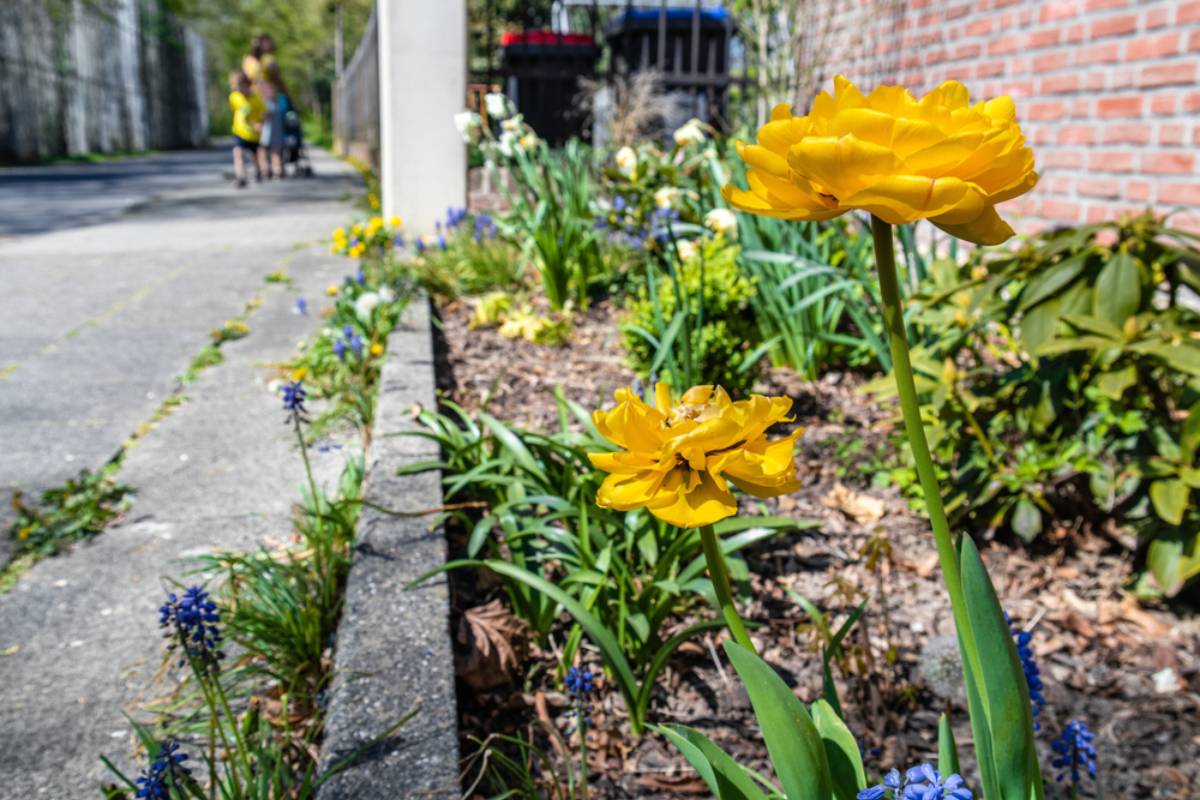
Perry planted many exotic and native species in his front yard to “create a habitat for declining insect populations,” he told WTVC NewsChannel 9. Local 3 reported he spent several years and thousands of dollars on it.
A nearby resident complained about the lawn in September, WTVC reported. Code enforcement cited Perry for two violations: upkeep of the premises, which the city says he fixed, and high grass, which he appealed.
A 10-Day Window and a Spam Filter
Chief Building Official Michael Howell told WTVC that Perry had 10 days to appeal. An email showed Perry sent his appeal a week after the citation. The city says its firewall flagged the message and routed it to a spam folder, so officials never received it.
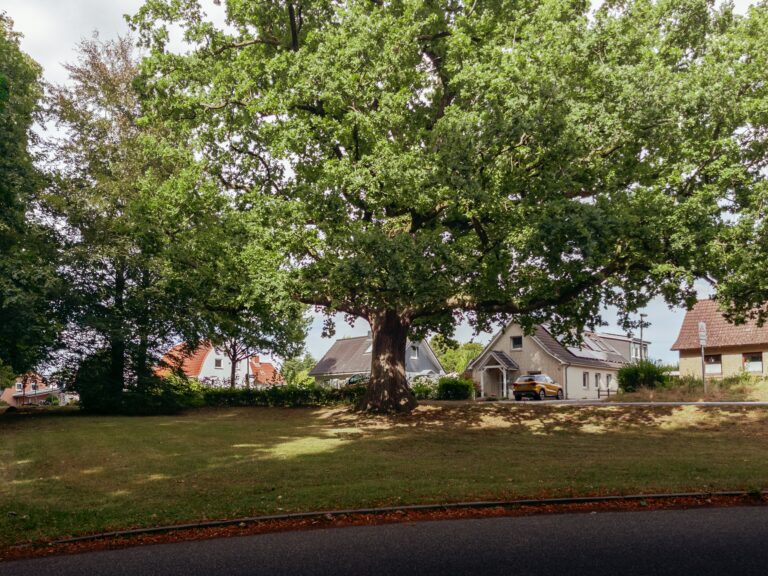
City Manager Brian Koral said Perry tried to file in good faith. The city cut the plants 40 days after the citation, WTVC reported. Local 3 said an oak tree was cut down as well, and that the appeal sat in the City Clerk’s spam folder until after the work was done. Howell acknowledged to Local 3 that Perry never got the chance to go through the appeal process.
The Fine the City Dropped
East Ridge normally fines property owners after a cleanup notice. Because the failed appeal traced back to the city’s own system, it decided not to fine Perry, WTVC reported.
The city’s building codes department says it handles property maintenance violations under local and state law and enforces the International Property Maintenance Code. Reports are investigated and prioritized, an officer first does a drive-by inspection, and a citation goes to the owner or tenant with a date to bring the property into compliance. If a violation is not corrected by that date, the owner is summoned before the city’s Administrative Hearing Officer. The department’s page lists an ordinance titled “Overgrown Dirty Lots,” though it does not include the text.
Native Plants and Tall-Grass Rules
Howell said the city’s rules make no exception for native or exotic plants, and the ordinance does not define those terms. That gap is at the center of the council discussion that followed. WTVC noted the city also lists abandoned vehicles, accumulated trash, deteriorated structures and unsecured swimming pools among its violations.
Perry took his concerns to the East Ridge City Council. Local 3 reported that council members want to review the ordinance based on the International Property Maintenance Code and consider designated natural areas for native plants. The Cool Down reported that Mayor Brian Williams said the city must balance native yards against other concerns and plans to look at ideas from other cities. A property owner near Camp Jordan told the council the height limits conflict with tall pollinator plants, and a resident suggested the codes department learn about native landscaping through the University of Tennessee’s Tennessee Smart Yards program.
That program is an Extension-led effort that, according to the Tennessee Smart Yards site, teaches practices for yards that are in balance with the local environment, for the benefit of both people and the ecosystem. It was developed with a state agriculture department grant and is built on nine principles of stewardship.
Waiting Until Spring
No formal vote or rule change had been reported at the time of the coverage. Perry told Local 3 he hopes to see a change soon, before the plants would have come back in the spring.
This article was produced with AI assistance and edited for accuracy against the sources linked above.