Meigan Alexander and Her Salem Drive Neighbors Begged a Developer to Spare a Healthy 100-Year-Old Charlotte Oak, and It Came Down the Day After the House
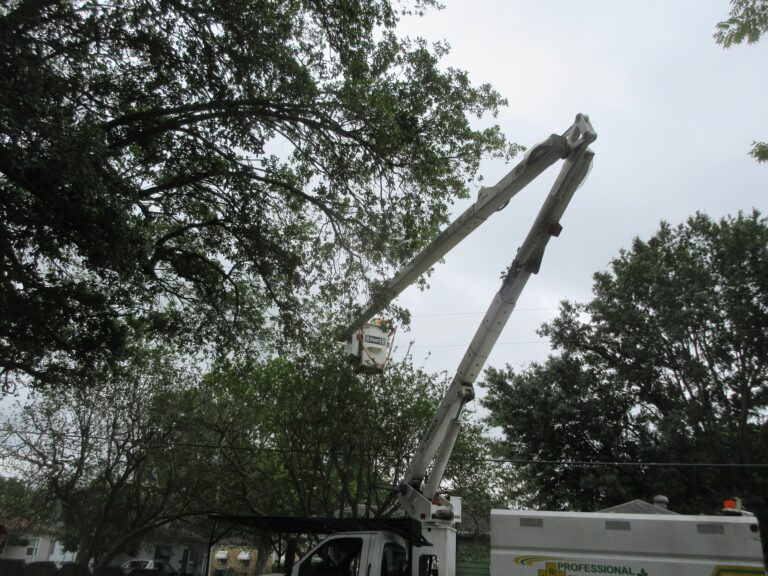
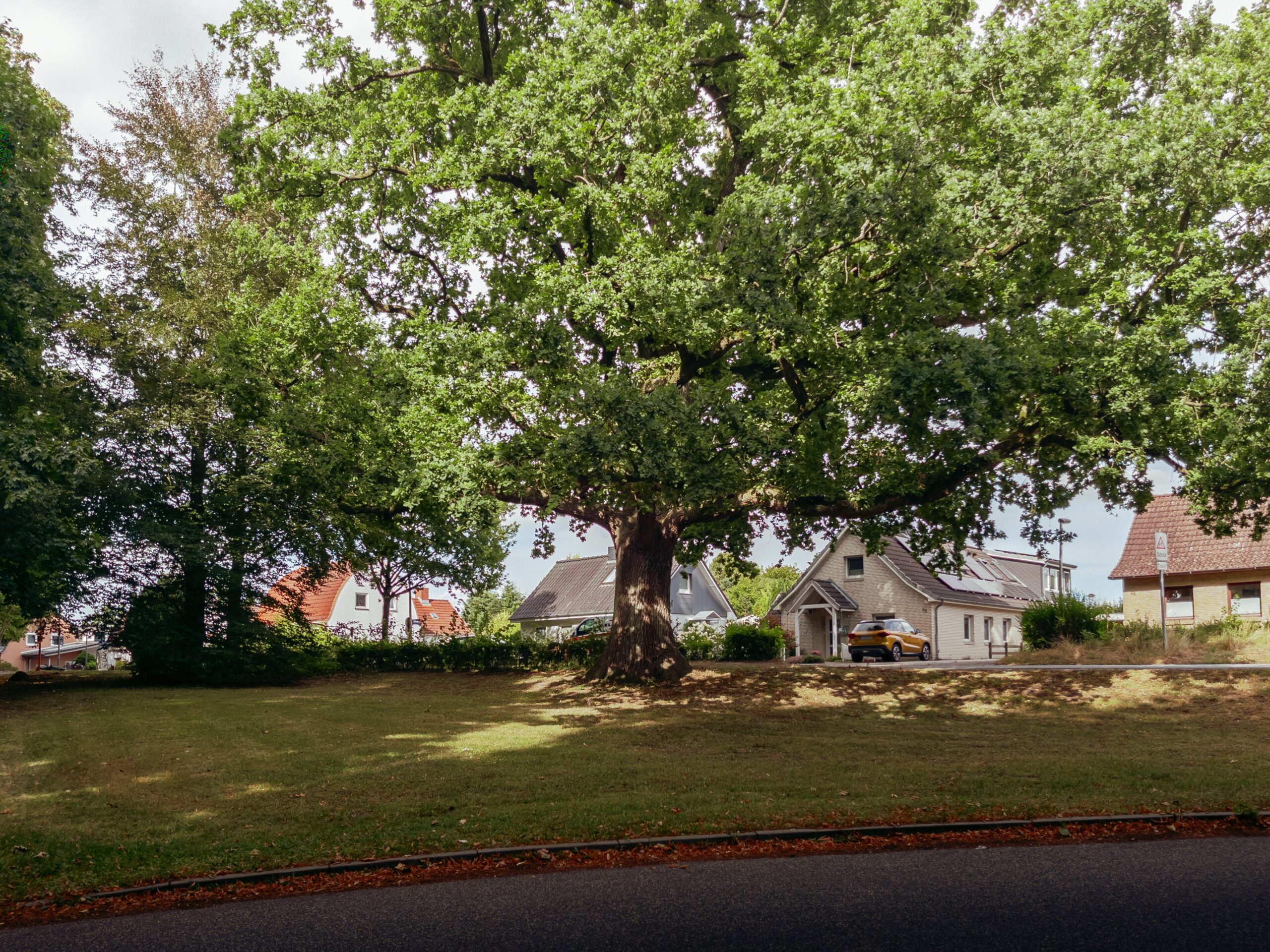
At the corner of Salem Drive and Idlewood Circle in Charlotte’s Freedom Park neighborhood, a 100-year-old oak that neighbors had begged a developer to spare came down on Nov. 10. The house beside it had been demolished the day before. Meigan Alexander, who lives across the street and led the push to save the tree, told the Charlotte Observer that “not once” did the developer answer an email.
The oak was not sick or in danger of falling, according to the Observer. A second heritage tree in the backyard was removed the same day, and only a dirt lot is left.
What the Neighbors Asked For Before the Chainsaws Came
Alexander first asked in mid-October whether the corner tree could be saved, the Observer reported, and that corner tree was the one she most wanted to keep. She organized neighbors, contacted the city and tried to reach the developer, Amin Ventures, about a compromise. In an earlier Observer story from Oct. 16, residents said they wanted to keep at least the corner tree and suggested the builder shift the new house toward the backyard.
A Facebook post urging the tree’s preservation had drawn more than 350 likes, 110 comments and 100 reposts by then, and commenters were divided over whether the effort would matter. Neighbors also posted signs on one of the trees, WBTV reported on Oct. 6, but the station found they had little they could do to stop the removal.
Alexander’s complaint after the trees fell was about silence. “Not once has (Amin Ventures) ever made an attempt to respond to an email,” she told the Observer. Residents had asked for a compromise. Amin Ventures did not immediately respond to the newspaper’s emails and messages for its latest story.
A $1 Million House and a $3,000 Tree Removal
Amin Ventures bought the house across from Alexander in April for $1 million, the Observer reported. The one-story, 2,474-square-foot home is being replaced by a two-story, 6,442-square-foot house, according to city records. The developer’s website lists March 2027 as the expected availability date.
The same city records show Amin Ventures paid $3,000 to remove the two trees and plans to plant two replacements.
WBTV described the approved plans as a nearly 6,500-square-foot home. Alexander told the station that the removal would “forever change the neighborhood” and that a $1,500 fine is “not even a slap on the wrist.”
How Charlotte’s Heritage Tree Rules Allowed It
Charlotte’s tree ordinance defines a heritage tree as a North Carolina native listed in the USDA plants database with a trunk diameter of 30 inches or more, and it says those trees are protected within city limits, according to the adopted ordinance. Removal requires a city permit. Work cannot begin until the permit is issued, any required mitigation payment is received and a planting plan is approved.
The rules carve out exceptions for trees that are severely diseased, injured, dead or likely to fall, which do not need a permit or mitigation, provided an ISA-certified arborist certifies the condition or the owner documents it beforehand. The Observer said the Salem Drive oak was neither sick nor dangerous.
Under the 2023 Unified Development Ordinance, the Observer explained, a heritage tree can be removed if the tree or its root zone sits where a structure could be built, or if keeping it would restrict the property’s use. A development permit costs $1,500 per tree and a non-development permit costs $500. The ordinance grew out of a draft the city floated in 2022, when the Observer reported that removing a heritage tree at least 30 inches across would require a permit, and that diseased, storm-damaged or hazardous trees would be exempt.
What the Numbers Say About Charlotte’s Canopy
Since the ordinance took effect, Charlotte has issued almost 2,400 heritage tree removal permits, and the city has collected about $4.5 million in mitigation fees, the Observer reported. A permit does not necessarily equal one tree, and the city did not say how many trees were actually cut.
The earlier Observer story added that 1,085 of those permits were non-development and 1,305 were development permits, for 2,390 in all. The city does not track rejected development-related removal requests, so it is unclear whether any have been denied, and the paper called denial unlikely under the rules. Charlotte aims for 50% tree canopy by 2050, and a 2022 study found 47%.
Replanting is part of the bargain. About 1,545 trees are required under development permits, the earlier Observer story said, and 838 owners with non-development permits were told to plant at least one tree, yet about 323 trees have been planted so far. The same story cited UNC Charlotte data showing the city lost the equivalent of three football fields of trees every day from 2012 to 2018.
The November story noted that billboard companies hold permits to clear trees at 40 sites across Mecklenburg County, and that the city said in May it would launch a tree-canopy policy review over the summer. It has not provided an update.
Alexander argues that fees and small replacements are not enough of a deterrent. She told the Observer that the city “doesn’t ask developers to get creative” and that speaking up is the only way to push back. For neighbors on Salem Drive, the visible result of that argument is an empty lot, with the new house listed as available in March 2027. Other cities have faced similar fights, including Morgan Hill, California, where neighbors are working to save a coast live oak from a housing project.
This article was produced with AI assistance and edited for accuracy against the sources linked above.
Image: DYVER – CC BY-SA 4.0/Wikimedia Commons