DTE Crews Have Trimmed 56 of 80 Planned Miles in the Grosse Pointes and Detroit’s East Side, and Yard Trees Marked With a White X Are Coming Down
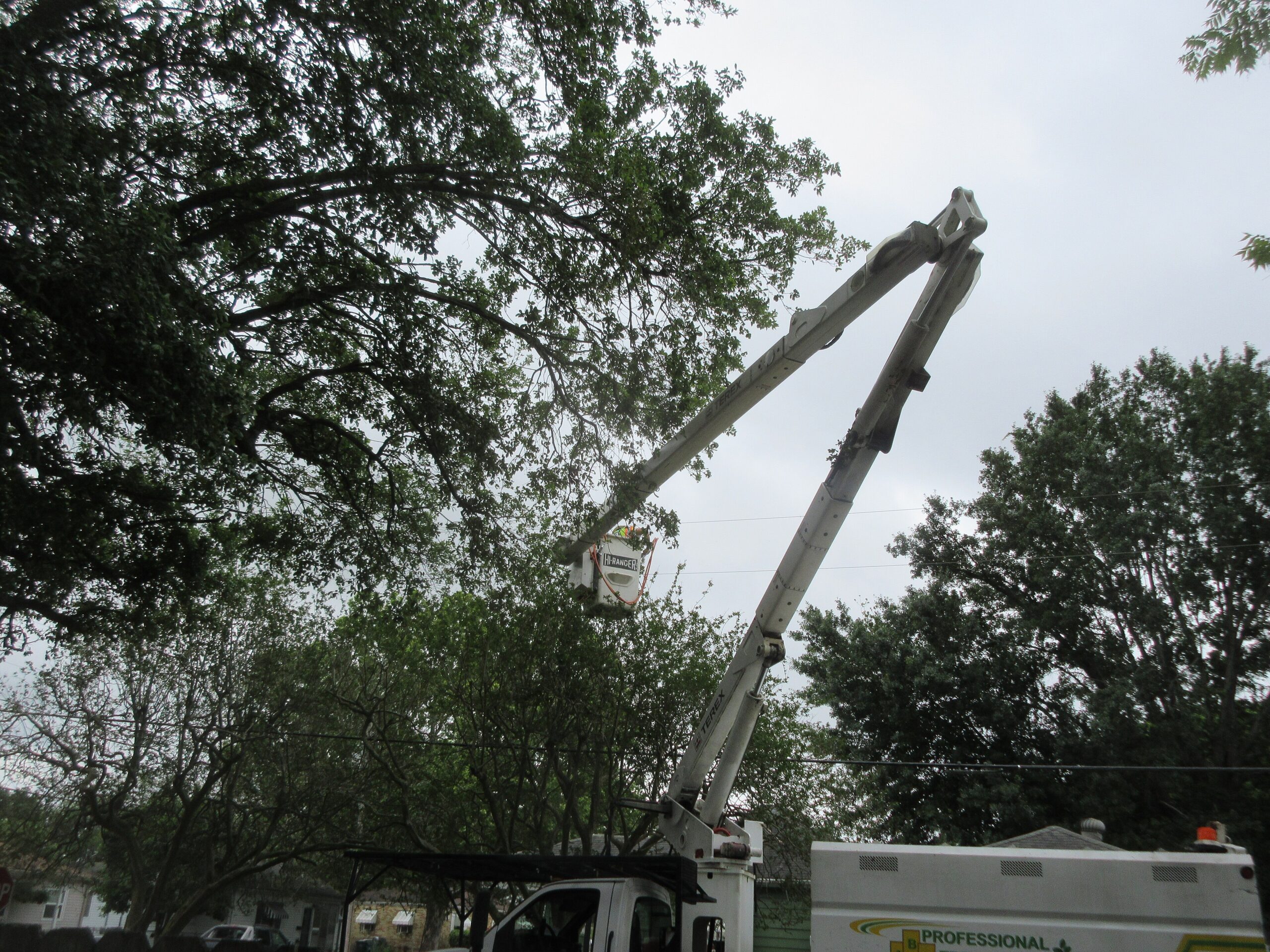
Tree crews working for DTE Energy are moving street by street through Grosse Pointe Woods, the other Grosse Pointe communities and Detroit’s east side this fall. As of Nov. 9, the utility had finished 56 of the 80 miles it planned to trim there, with the rest expected by the end of the year, WDIV reported.
For homeowners with big trees near the lines, the work comes with a simple code painted on the bark. Two white dots mean DTE thinks the tree may have to go. A white “X” means the removal permit has been signed and the tree is ready to come down.
Why DTE Picked the Grosse Pointes
The neighborhoods on the list have a long record of losing power. Mark Sobieralski, who lives in Grosse Pointe Woods, told WDIV his home goes dark about five or six times a year, and he blames trees on neighboring properties. He said the outages happen so often that “it’s not even funny.”
Cathy Garant, another resident, remembered one outage that lasted four or five days. She has had trees trimmed on her own because she worries about losing power again or having a limb come down on the house, and she told the station the trees have to be trimmed.
Bill Hutchinson, DTE’s director of vegetation management, told WDIV that about half of outages are caused by trees. The utility’s own tree trimming page puts it the same way: fallen trees are behind nearly half the time its customers spend without power. DTE has set a goal of cutting outages by 30% and cutting outage time in half by 2029.
The east-side work is part of a five-year maintenance cycle. According to WDIV, DTE has trimmed more than 3,000 miles near its equipment so far in 2026, after more than 6,500 miles in 2025. Where trees were trimmed to the company’s standards or removed, DTE reports a 70% improvement in reliability. The company also says a single branch can knock out power to 1,000 or more customers, and that only about a third of its electric system runs underground.
What the White Dots and the White X Mean
DTE spells out the steps on the same page. Before crews arrive in an area, the company mails a letter. Planners then walk the neighborhood and draw up a trimming plan. If a yard needs work, a planner knocks and leaves a door hanger describing what will be cut, with a name and phone number for questions.
Trees that pose a serious hazard to the lines, or that would be badly harmed by trimming, can be marked for removal instead. Those get two white dots, and DTE says its planners will try to reach the homeowner first. Once the homeowner signs a tree removal permit, the planner paints a white “X” on the trunk, marking it as ready to be taken down.
Cities served by DTE describe the same system. The City of Westland’s page on the program says residents first get a pre-trimming notification letter, then a knock and a door hanger if their property is affected, and it links the tree removal permit form. The City of Berkley tells residents that inspectors from DTE or Davey Tree Service wear high-visibility vests and carry ID badges, and that planners will contact homeowners about any proposed removal.
Not every cut comes with a warning. DTE says emergency or unplanned trimming may happen without notice. In a question-and-answer post on its company blog, DTE adds that scheduled work usually comes with a letter and an automated phone call, and a “Tree Work Scheduled” card is left if no one is home.
Where Homeowners Have a Say
The removal permit is the point where a homeowner’s signature matters. DTE says its tree experts consider every option before recommending that a tree come out, and WDIV reported that the company treats removal as a last resort, though it may still take down a tree it considers a safety risk. Planning and auditing in a neighborhood can take several weeks to a couple of months before the saws arrive.
DTE says its crews follow industry standards and work with professional tree companies trained in safe, environmentally responsible care. Clearance is not one fixed distance: according to the company’s blog, it depends on the tree species and the voltage of the line, with fast-growing trees and higher-voltage lines needing more room. Cities and public land can add their own rules, and DTE says it works with local governments to meet them.
Berkley’s advice to residents is practical. Anyone inspecting trees for the program should be wearing a high-visibility vest and carrying an ID badge, and residents with questions can call DTE at 1-800-477-4747.
Other utilities have drawn sharp complaints over the same kind of work. A Nashville homeowner said Nashville Electric Service crews cut her old front-yard maples so far back she feared they would not survive, and a Vallejo woman was left with a pile of heavy logs after PG&E took down a leaning backyard tree.
The Lines DTE Won’t Touch, and the Wood It Leaves
One line on every property is the homeowner’s job. The service drop, the wire that runs from the pole to the house, is not trimmed by DTE. “DTE does not trim around these lines,” the company’s tree care page says. Because the wire is energized, DTE recommends hiring a professional tree service.
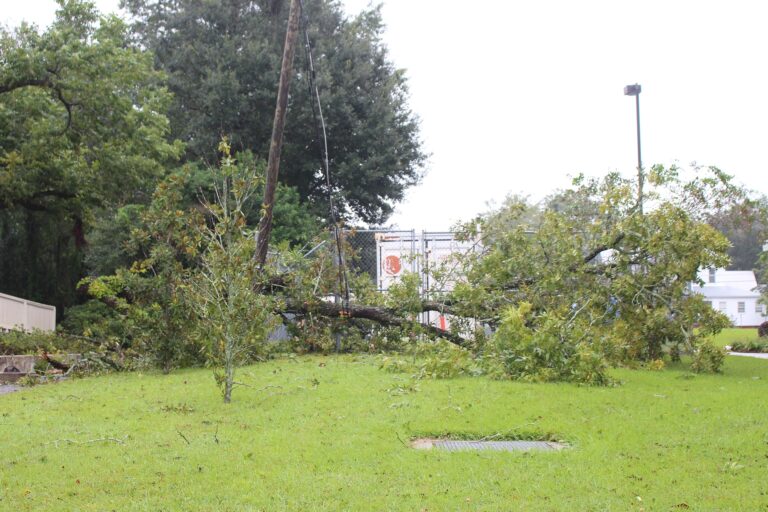
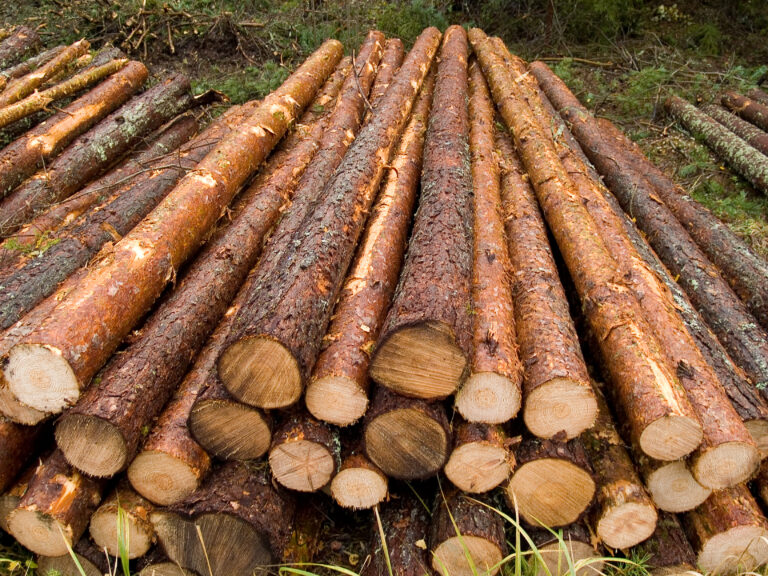
Debris depends on the job. DTE’s tree care page says wood from its own trimming is cut into manageable pieces and stacked on the property, then chipped and removed. The company’s blog says crews may leave trimmed wood for homeowners to use as firewood, a policy DTE says helps keep rates down. Trees or limbs that fall on their own, from weather, disease or age, are the homeowner’s responsibility, and that wood is left where it lands without being cut or stacked.
Oaks get special handling. In areas where oak wilt has been reported, DTE suspends scheduled work on all oak species from April 15 through Aug. 1, seals cuts with latex-based paint and disinfects tools between sites, according to its blog. Homeowners worried about elms can call the number on the door hanger before trimming starts.
For anyone planting a replacement, DTE keeps a list of trees suited to Southeast Michigan and asks homeowners to keep new trees well away from electrical equipment. It also asks them to call MISS DIG at 811 at least three business days before digging. Utilities elsewhere run programs on an even bigger scale: CenterPoint says it trims about 1 million Houston-area trees a year.
Homeowners who want to ask about a white dot on a backyard tree can use DTE’s online inquiry form. Non-emergency questions sent that way get an answer in five to seven business days, the company says. The remaining 24 miles in the Grosse Pointes and on Detroit’s east side are scheduled to be finished before the year ends.
This article was produced with AI assistance and edited for accuracy against the sources linked above.
Image: Infrogmation of New Orleans – CC BY-SA 4.0/Wikimedia Commons