East Lansing Could Fine Brandon Green $149,400 for 26 Oak and Hickory Trees Cut Without a Permit, and the Council Takes It Up Again Nov. 17
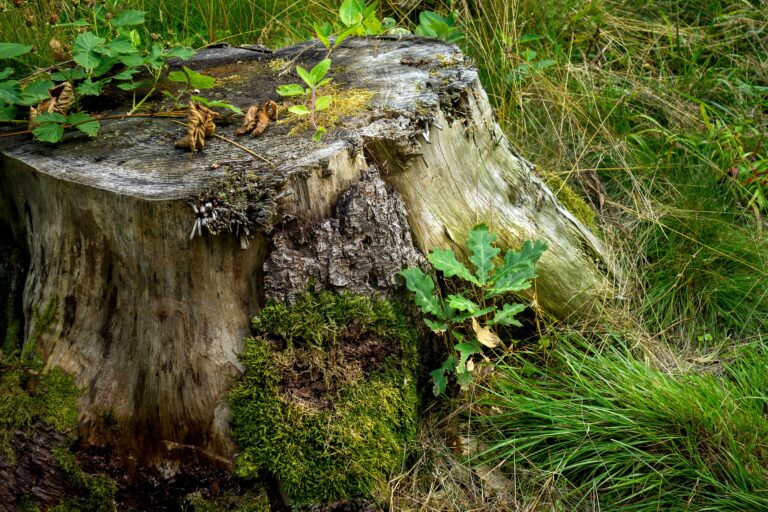
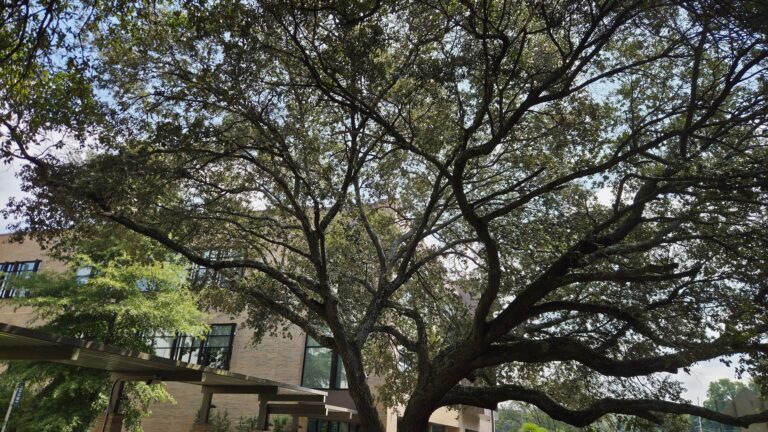
Twenty-six mature hickory and red oak trees are gone from a stretch of land on East Coleman Road in northwest East Lansing, Michigan, and the city wants Brandon Green to pay for every inch of them. City staff have proposed a fine of $149,400 against Green, who co-owns the property at 2982 E. Coleman Road, and the East Lansing City Council is expected to take the matter up again on Nov. 17.
Green says the trees came down after a miscommunication with city staff, and that he cannot pay. He said there was “no chance” he and his partner could pay a six-figure fine, according to East Lansing Info’s Nov. 10 report by Dustin DuFort Petty.
How East Lansing reached $149,400
The number comes straight from the city’s tree code. Section 48-94 of East Lansing’s ordinance says “a tree removal/land clearing permit is required prior to the removal of one or more trees four inches in diameter or larger.” The penalty for removing a qualifying tree without one is $200 per inch of diameter.
City forestry staff measured the 26 trees at 747 inches of diameter combined. Multiplied out at $200 an inch, that is $149,400. East Lansing Info reported that staff later found more stumps on the site, so the count, and the total, could climb past $150,000 if those trees are added.
Staff also checked the trees against the Michigan Tree Valuation Guide, which put the value of the original 26 between $148,276.74 and $186,435.74. In other words, the proposed fine lands near the bottom of what the trees themselves were judged to be worth.
There is an exemption in the ordinance, but it is narrow. It applies only when a property is zoned residential, is two acres or less, and is used for a single- or two-family home. All three conditions have to be met.
A timeline that started with an email
Green and a business partner in California bought the properties in March, according to the report. On April 30, Green emailed Principal Planner Landon Bartley about reaching out to neighbors and about tree work he planned on the land.
On May 28, the city’s Department of Public Works forestry staff were alerted that trees might have been removed without authorization. About a week later, DPW staff walked the site and counted the 26 trees.
Bartley told the council he did not know Green planned to remove trees, and said that if he had, he would have explained the permit rules. City Attorney Carlito Young told the council the ordinance governs regardless of what was said in those exchanges.
Green has also said some of the trees were cut before he bought the property. On Aug. 6 he emailed the City Council. The council discussed the case on Sept. 22 and put off a decision. On Oct. 6 it delayed again, after staff reported finding more stumps. The council packet item on the appeal of the tree removal violation lays out the city’s case.
What the council members have said
The council has not spoken with one voice, and some members have said they want a middle ground. At the Sept. 22 meeting, Council Member Steve Whelan and Mayor Pro Tem Chuck Grigsby said they wanted the removal to become a “teachable” moment rather than an occasion for the full fine, East Lansing Info reported.
Council Member Kerry Ebersole Singh was one of them. “A six-figure fine is steep, it’s real, but 26 trees … is significant as well,” she said. She asked staff to come back with an option below the top figure, and said she would feel more forgiving about the lost trees if affordable housing were part of the project.
Mayor Erik Altmann worried about what a smaller fine would signal. He asked whether the city cares if this happens again, warning that cutting a deal simply because someone admits responsibility could encourage repeat violations.
Seedlings, firewood and a festival
After the September delay, Green sent the council a restitution offer. He proposed donating the firewood from the trees to East Lansing parks or a nonprofit, planting at least 26 white oak, red oak and hickory seedlings at his site or at another site the city chooses, and holding a biennial music and art festival to raise money and awareness for tree planting.
“This is my hometown,” Green said. He has also said he is prepared to fight the fine in court if it comes to that.
That is the trade the council is weighing: a promise of 26 seedlings against 747 inches of mature trunk that is already gone.
East Lansing is not the only city where a tree permit has turned into a huge bill. In California, Oakland fined a couple $915,135 over 38 protected trees, and in Pennsylvania a West Philadelphia neighbor stood beside a willow oak to stop a crew working without a removal permit. Other cities price the loss very differently: in October, a Wausau, Wisconsin committee upheld a flat $550 per-tree fee against a homeowner whose contractor damaged a city linden, rather than a charge based on the tree’s size or value.
What happens on Nov. 17
The council postponed its decision on the 2982 Coleman Road appeal to Nov. 17. When it meets that night, it can impose the $149,400 fine, add the newly found stumps, or take up a lower option, as Ebersole Singh requested. It will be the third time since September that the case has been on the council’s agenda, after the Sept. 22 and Oct. 6 delays. Whatever it decides, Green has said the matter may not end at City Hall.
For Michigan homeowners and landowners, the case is a reminder that a tree permit can matter as much as a building permit. In East Lansing, any tree four inches or more across can require one, and the cost of skipping it is counted by the inch.
This article was produced with AI assistance and edited for accuracy against the sources linked above.
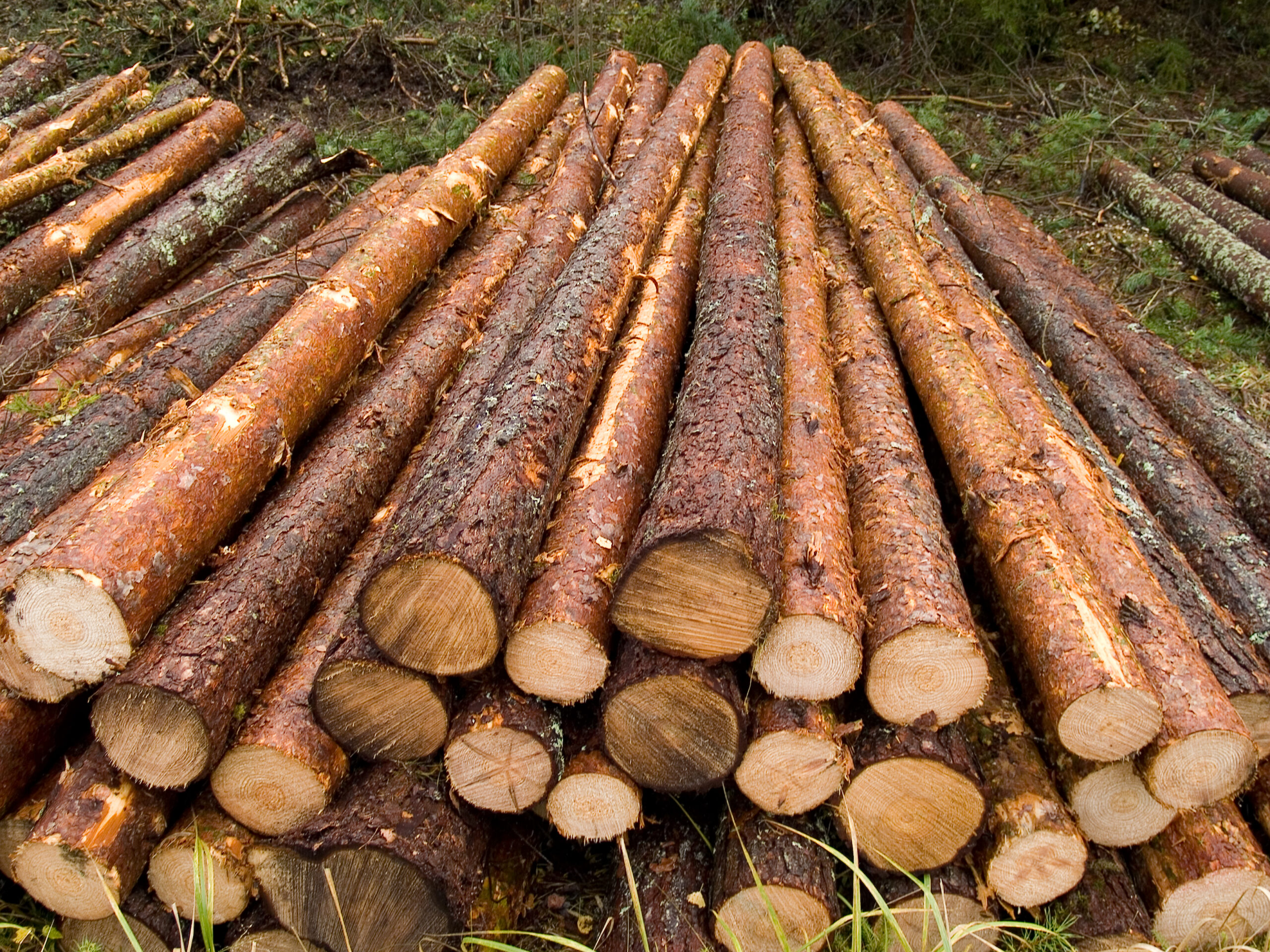
Image: Kotivalo – CC BY-SA 3.0/Wikimedia Commons