Diamond Bar Will Start Cutting Down 246 Bradford Pears in Mid-November, After a Falling Branch From One Injured a Pedestrian
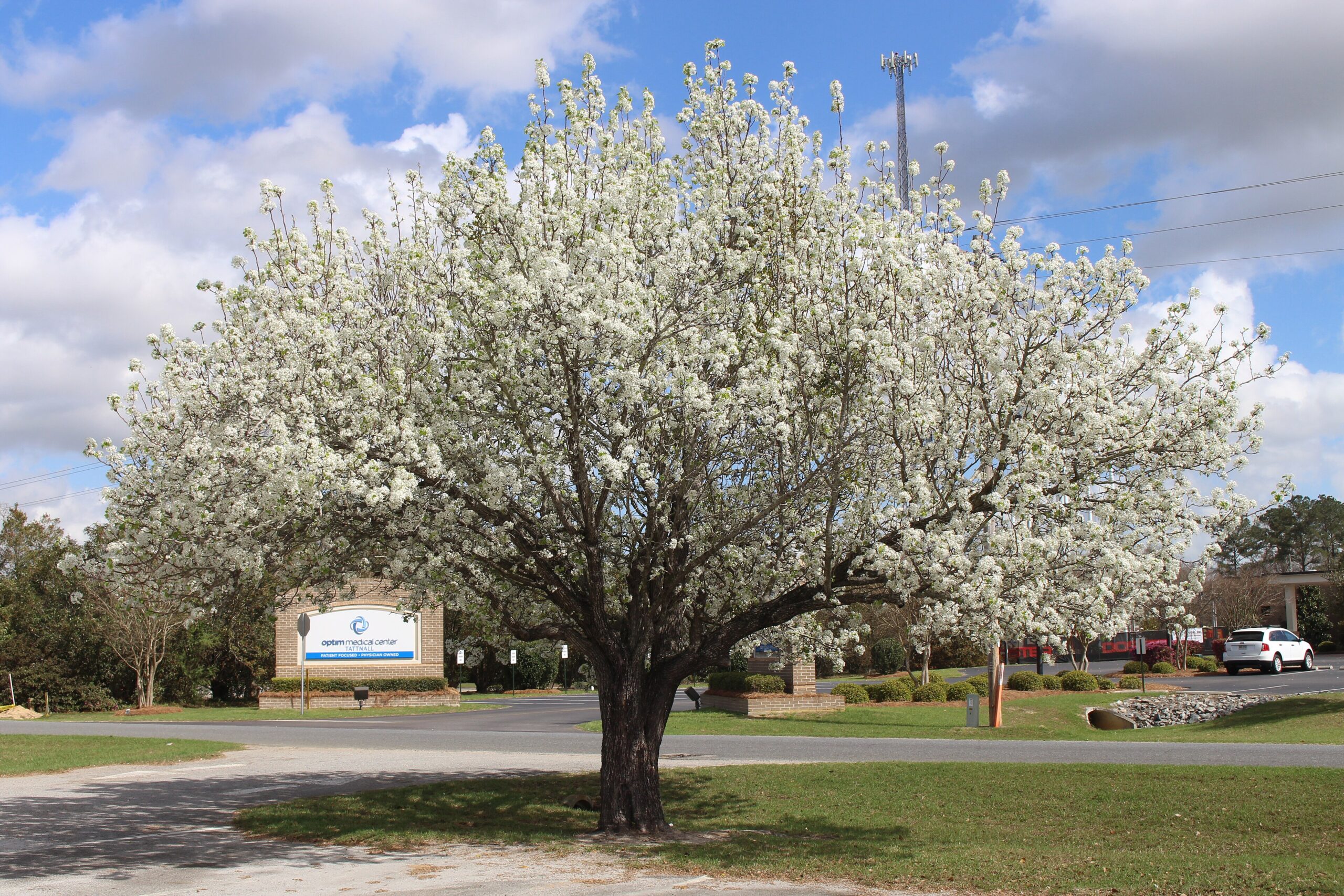
Crews in Diamond Bar, California, are scheduled to begin taking down 246 city-maintained Bradford pear trees in mid-November. The City Council approved the two-phase project on Nov. 3, and the removals will be concentrated along Montefino Avenue, Longview Drive and Diamond Bar Boulevard, Patch reported. Behind the decision is a 2018 accident on Montefino Avenue, when a branch fell from one of the trees and injured a pedestrian, leading to a lawsuit.
The city says replacement trees will go in where possible, with planting planned for spring 2027.
Why the City Says the Trees Have to Go
Diamond Bar’s explanation is about the species itself. According to the city, Bradford pears tend to split as they age, and “structural weaknesses may not always be visible before a branch fails.” That last point is what makes the trees hard to manage on a busy street: a limb can look sound right up until it drops.
Residents along the three main removal streets are due to receive advance notice before crews arrive. The city has also scheduled a community presentation for Saturday, Nov. 14, from 9 to 10 a.m. in the Windmill Room at City Hall. No registration is required.
What Makes a Bradford Pear Break
The weakness the city describes is well documented by tree scientists. Purdue University’s consumer horticulture team points to the Bradford cultivar’s “numerous crowded and narrow branch angles that weaken the architecture of the tree,” and warns that “branches are likely to break in storms, and trees become structurally unsound.”
Forest health specialists Kelly Oten and Courtney Johnson of NC State Extension describe the same pattern. The tree’s “acute branching structure and fast growth lead to weak branch unions,” they write, so it can eventually break under its own weight, and its brittle wood breaks often in storms.
The species arrived with good intentions. Callery pear was brought to the United States in the early 1900s to help European pears resist fire blight, and the Bradford cultivar was developed in the 1950s, according to NC State.
From Street Tree to Invasive Species
The structural problem is only half the story. Newer callery pear cultivars cross-pollinate with each other and with European pears and produce fertile seed, NC State says. Birds and other animals spread that seed, and the trees also resprout from their bases. The wild offspring now crowd roadsides, fields, forest edges and wetlands with dense, thorny thickets, and their early leaves and blooms shade out native plants.
University of Maryland Extension says the tree is a prohibited species under Maryland law and recommends against planting it. The extension describes storm damage on these trees as common and sometimes catastrophic, and notes how quickly the wild trees colonize disturbed ground.
Ohio went further. The state banned sales of callery pear in 2023 after giving growers five years’ notice in 2018, the University of Cincinnati reported, with South Carolina’s similar ban following in 2024. Jennifer Windus, president of the Ohio Invasive Plants Council, said the state was proud to be the first to take on the plant. University of Cincinnati biologist Theresa Culley noted how hard the trees are to remove once established, saying they “can grow pretty much anywhere.”
The nursery trade had already started moving on. William Kyle Natorp, president of the Cincinnati nursery Natorp’s, told the university that “customer demand disappeared when it was realized that this plant was an invasive issue,” and that many nurseries stopped producing the trees.
Other places have tried to coax homeowners into removing their own, including Kentucky, where residents could trade a photo of a cut-down Bradford pear for a free native tree.
For Homeowners With a Pear in the Yard
Diamond Bar’s removals involve trees the city maintains. For homeowners with a Bradford pear of their own, Purdue’s advice is to remove heavy upright shoots, called watersprouts, while they are still small, since they add weight to limbs as they grow. When a limb does break, Purdue recommends cutting the damaged limb off cleanly at the trunk rather than leaving a ragged wound, and it advises against pruning paint or sealants.
For anyone replacing a pear, the extension services suggest native trees that still deliver spring flowers. NC State lists flowering dogwood, eastern redbud, serviceberry, black cherry and Chickasaw plum. Maryland’s list adds fringetree, green hawthorn and a white-flowered form of eastern redbud.
Diamond Bar has not said which species will replace its pears. The answer may come at the Nov. 14 presentation, before the first trees come down.
Get stories like this by email. Sign up for The Parent Diaries Letter.
This article was produced with AI assistance and edited for accuracy against the sources linked above.
Image: Michael Rivera – CC BY-SA 4.0/Wikimedia Commons