Sacramento County Has Confirmed Bird Flu in Two Backyard Flocks This Month, and the Remaining Birds in Both Were Culled
Sacramento County officials announced on Thursday, Oct. 29, that highly pathogenic avian influenza has been confirmed in two backyard poultry flocks in the county this month. According to the California Department of Food and Agriculture’s bird flu alert page, the first flock tested positive on Oct. 5 and the second on Oct. 23. The remaining birds in both flocks were culled.
County officials rated the risk to the general public as low. The bigger worry is for people who keep a few hens in a backyard coop, because state officials say the virus is moving through wild ducks, geese and raptors on the Pacific Flyway this fall.
Two Sacramento County flocks, 18 days apart
The county’s public health office and its Department of Agriculture, Weights and Measures put out the news together, Rio Linda Online reported. Neither the county nor the state has said which communities the two flocks were in, and officials have not released how many birds each one held.
The state’s alert page lists the Oct. 23 Sacramento County case alongside a backyard flock in neighboring Solano County that was confirmed the same day. For both counties, the state wrote that no movement restrictions will be placed on poultry. That means backyard keepers elsewhere in the county are not under a quarantine order, though the state is still asking them to tighten up.
The Sacramento Bee, in a story republished by Yahoo News, reported that the virus spreads through contact with infected birds and through contaminated surfaces, including shoes, clothing and equipment. County public health staff are contacting people who may have been exposed to the infected birds, according to Rio Linda Online.
Why the state wants chickens under a roof until Dec. 31
Two days after the first Sacramento County detection, California’s state veterinarian, Dr. Amanda Murray, sent an Oct. 7 advisory to the state’s poultry producers. It said California had seen bird flu in backyard flocks and in wild waterfowl and raptors along the Pacific Flyway over the previous two months, and that the risk was elevated because of the fall migration.
The advisory called wild waterfowl and raptors the largest threat of introducing H5N1 into domestic birds. Its main request was simple: keep poultry separated from wild birds by housing them indoors through Dec. 31, 2026. It said the advice matters most where ponds, wetlands or farm fields nearby attract ducks and geese.
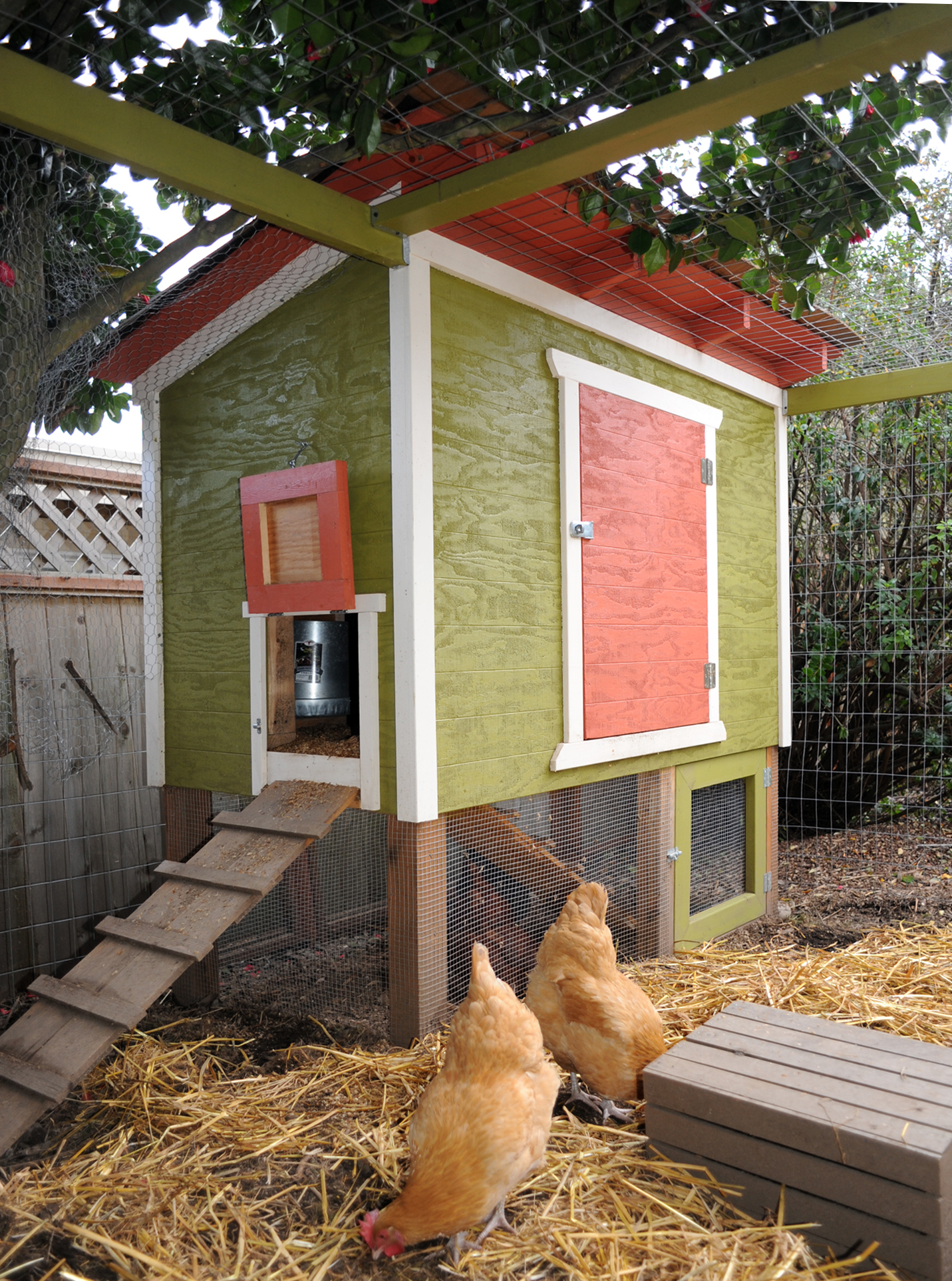
For a backyard keeper, “indoors” can mean a fully covered run or a closed coop. The point is to stop wild birds from landing in the run, drinking from the same waterer or leaving droppings near the feed.
What county chicken keepers are being asked to do
The county’s guidance, as summarized by Rio Linda Online, comes down to a short list:
- Use enclosed or covered areas where possible, and block wild birds from reaching feed and water.
- Clean and disinfect coops, feeders, tools and supplies on a regular schedule.
- Wash hands after handling birds, change or clean shoes and clothes, and disinfect any equipment before lending it to another keeper.
- Watch the flock for sudden deaths, labored breathing, a drop in appetite, swelling around the head or eyes, unusual discharge, stumbling or other changes in behavior.
The state’s disease prevention guide for backyard and pet bird owners adds a few habits that matter during an outbreak. It tells owners not to share birds, equipment or feed with other owners, to keep dedicated boots and clothes for bird chores, and to limit visitors to the bird area. New birds should be kept apart from the flock for 30 days and watched for signs of illness. It also suggests cleaning the car after a trip to the feed store.
The guide is specific about cleaning, too. Feeders, waterers and tools should be scrubbed free of dirt and droppings before a disinfectant goes on, and the product should stay wet for the contact time listed on its label. Foot-bath solution at the coop entrance should be replaced whenever it gets dirty. The guide also warns owners never to buy birds from unreliable sources, a timely reminder for anyone thinking of adding a few pullets before winter.
For gardeners, the boot advice deserves a second look. The same boots that walk the vegetable beds, the compost pile and the chicken run can carry droppings from one spot to the next. A separate pair for the coop, left at the coop door, is one of the cheapest steps on the list.
Sacramento-area keepers are not alone this fall. Lovely Garden Roots reported this week that Arkansas confirmed its first case of the season in a Baxter County backyard flock, with a nearly identical message to keep wild birds away.
When to call the sick bird hotline
Owners who see unusual illness or deaths in their poultry are asked to call the CDFA Sick Bird Hotline at 866-922-2473 (866-922-BIRD). Rio Linda Online reported that the department also takes general bird flu questions at 916-217-7517.
Residents who find dead wild birds should not touch them. The county asks people to contact local animal control and to report unusual wild bird deaths through the California Department of Fish and Wildlife’s mortality report form, which helps state biologists track where the virus is circulating.
Anyone who handled a sick or dead bird and later develops symptoms should contact a health care provider or public health officials and mention the bird exposure, the county said. With the state’s indoor-housing request running through the end of the year, Sacramento County keepers have about two more months of covered runs and extra coop chores ahead.
Get stories like this by email. Sign up for The Parent Diaries Letter.
This article was produced with AI assistance and edited for accuracy against the sources linked above.
Image: furtwangl from West Seattle – CC BY 2.0/Wikimedia Commons