Arkansas Confirmed Its First Bird Flu Case of the Season in a Baxter County Backyard Flock on Oct. 27, and Is Urging Chicken Keepers to Keep Wild Birds Away
Arkansas chicken keepers are being told to cover their runs, wash their hands and boots, and keep wild birds away from their flocks. The Arkansas Department of Agriculture confirmed highly pathogenic avian influenza on Oct. 27 in a backyard domestic poultry flock in eastern Baxter County, the state’s first case of the season and, for now, its only one, according to the department’s Oct. 28 release. The department said rising detections in other states make prevention and monitoring more important.
A Backyard Flock in Eastern Baxter County
The release does not say how many birds were in the Baxter County flock or what kind they were, only that it was a backyard domestic flock rather than a commercial operation. KATV reported that the department said “increasing detections in other states reinforce the importance of continued prevention and monitoring.”
The stakes for the state go well beyond one flock. Arkansas’s poultry industry is valued at more than $6.7 billion a year, the department said.
Under state rules, any suspected or confirmed case of avian influenza must be reported to the department right away. The department has the power to quarantine infected premises, restrict the movement of poultry inside control zones, and order depopulation and disinfection.
The department’s avian influenza page explains why the response is so blunt. There are no approved vaccines or treatments for the disease in poultry, and the page states that rapid depopulation of infected and exposed flocks is the only effective control method. Confirmed flocks, and flocks exposed to them, must be depopulated and then cleaned and disinfected. The department describes an affected area as roughly 25 miles around a confirmed flock.
Roofs, Netting and Boots: The State’s Clean, Cover, Isolate Steps
The advice to Arkansas flock owners comes down to three words on the department’s biosecurity page for poultry owners: clean, cover and isolate.
Clean. Wash hands before and after handling birds. Clean or change shoes before stepping into the flock area, and disinfect equipment and tools. The department warns that the virus can survive for weeks in manure, especially in cool, damp conditions.
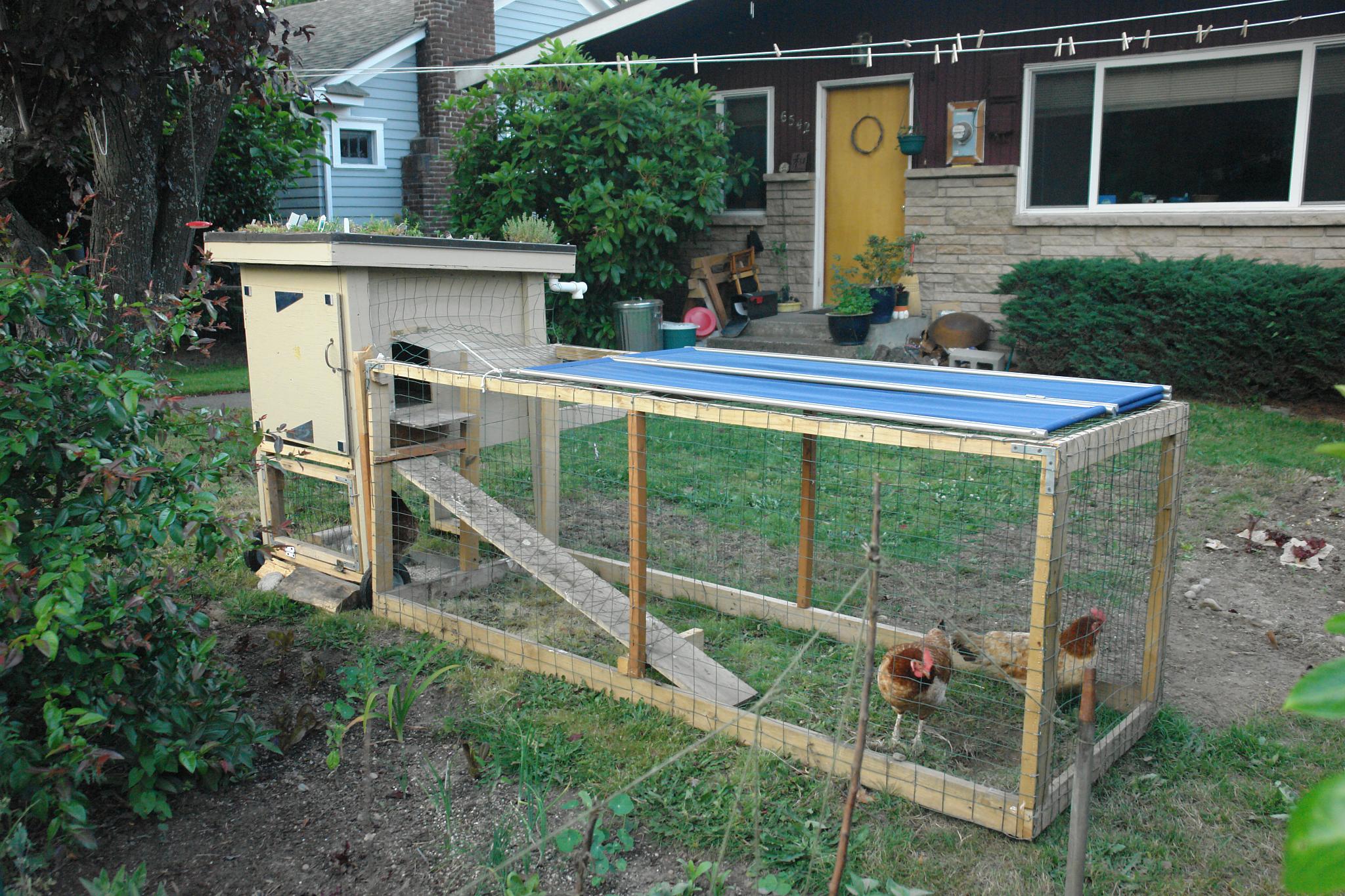
Cover. House birds in enclosed, covered coops so wild birds cannot get in. Use wire mesh or netting on all sides, and check it regularly for holes or tears that could let in birds or rodents. The department’s avian influenza page adds roofs and tarps to that list.
Isolate. Keep new birds apart for at least 14 days before adding them to a flock. Keep a log of everyone who visits the property, and restrict access for anyone who has been around wild birds, pet birds or other flocks. The department also suggests bird deterrents near poultry housing.
The release adds two more steps: restrict visitors to poultry areas, and report any unusual illness or sudden deaths.
Signs That Should Prompt a Call to (501) 823-1746
The department lists the signs flock owners should watch for:
- Sudden, unexplained deaths
- Birds eating and drinking less
- Fewer eggs, or eggs that are misshapen, soft or thin-shelled
- Lethargy
- Swelling of the head, eyelids, comb, wattles or hocks
- Purple discoloration of the comb, wattles or legs
- Labored breathing, coughing, sneezing or nasal discharge
- Diarrhea, stumbling or falling
Suspected cases go to the department at (501) 823-1746. Owners can also file the department’s online Sick Bird Call Form, and testing questions go to its Little Rock lab at (501) 823-1730. Samples are tested at USDA-approved labs, and positive H5 or H7 results are confirmed by the USDA’s National Veterinary Services Laboratories.
General questions go to the department’s main office in Little Rock at (501) 225-1598. The avian influenza page also links printable HPAI alert flyers in English, Spanish, Hmong and Marshallese. The same page advises against sharing equipment between flocks and recommends keeping outdoor flocks covered.
Whether backyard flocks are allowed at all is still a local fight in some places: Paxton’s council voted down backyard chickens this month. Predators are a separate worry for the same coops, as one keeper found when a fox and then a coyote forced a rethink of a backyard chicken setup.
How the Virus Moves Between Wild Birds and Backyard Coops
The U.S. Department of Agriculture’s Animal and Plant Health Inspection Service describes HPAI as a contagious viral disease of domestic and wild birds. On its avian influenza page, APHIS says the high-pathogenic strains are deadly to domestic poultry and can kill a flock within days.
The virus spreads through bird-to-bird contact and through contaminated items, including manure, equipment, and people’s clothing, shoes and hands, APHIS says. That is why the state’s advice focuses so heavily on boots, hands, shared equipment and wild birds getting into runs. Federal surveillance covers backyard flocks along with commercial flocks and live bird markets. The agency points owners of sick birds to a veterinarian first, and has veterinarians and others report suspected cases to APHIS area veterinarians and the state animal health official. Its backyard resources include the Defend the Flock program, a brochure on protecting poultry from avian influenza, and a factsheet on simple wildlife practices for farms.
For people, the risk remains low. The Centers for Disease Control and Prevention’s bird flu situation summary, updated Oct. 15, says the current public health risk is low, and the agency is working with states to monitor people who have been exposed to infected animals.
For Arkansas’s backyard keepers, the practical work this fall is in the yard itself: covered runs, patched netting, a change of boots at the coop door, and a call to (501) 823-1746 if birds start dying without explanation.
Get stories like this by email. Sign up for The Parent Diaries Letter.
This article was produced with AI assistance and edited for accuracy against the sources linked above.
Image: Josh Larios, CC BY-SA 2.0, via Wikimedia Commons