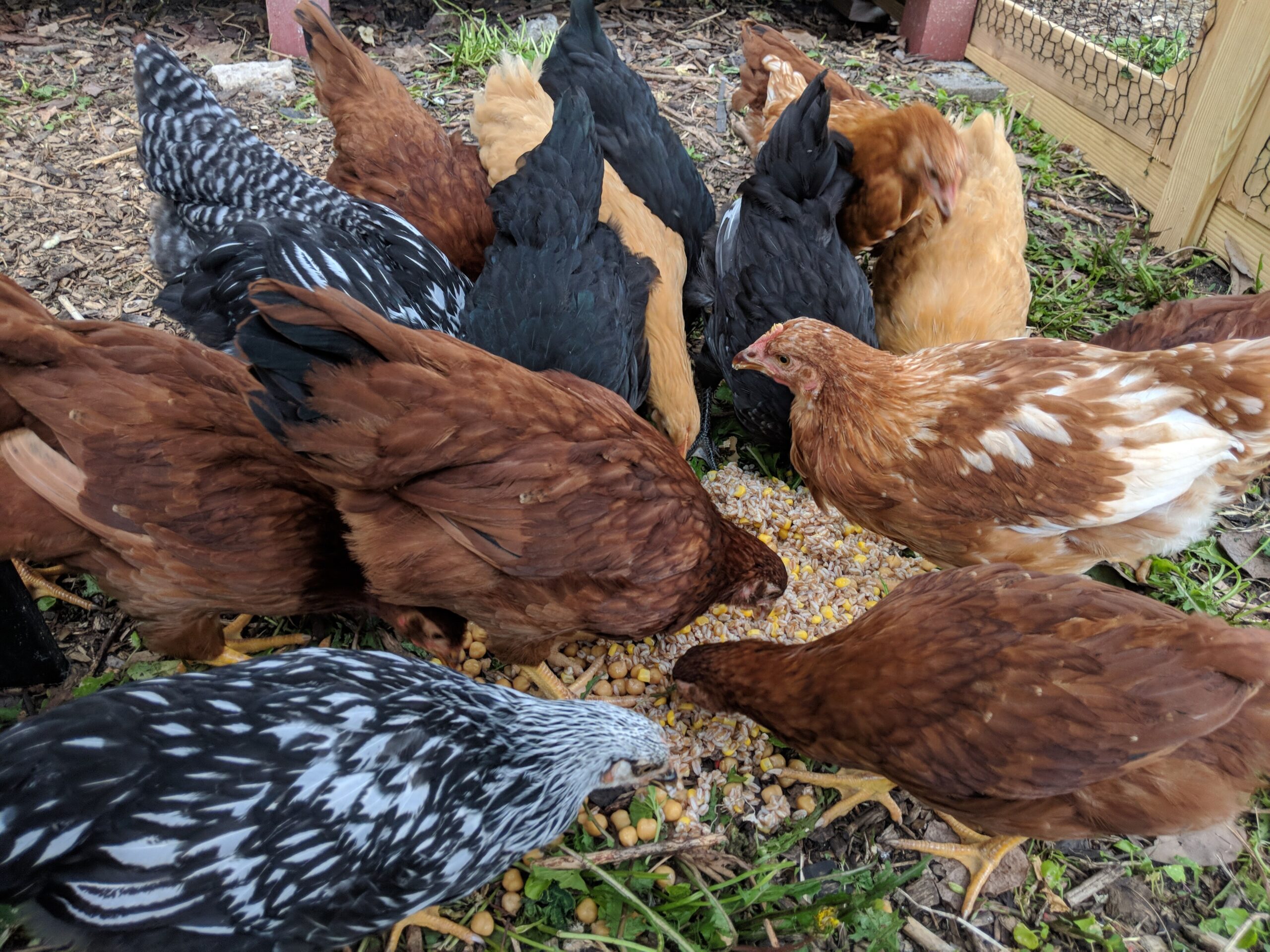
Paxton’s City Council Voted Down Backyard Chickens on Oct. 13, Months After a Nonbinding Referendum Narrowly Backed Allowing Them
Nine votes separated yes from no when Paxton, Illinois residents were asked in March whether neighbors should be allowed to keep a few hens in the backyard. Seven months later, the City Council settled the question for itself, and its answer was no.
The council rejected a proposal to allow backyard chickens at its Tuesday, Oct. 13 meeting, voting 4-3, according to the Ford County Chronicle. “That’s disappointing,” Alderman Kristen Larson said after the vote.
A Narrow Yes at the Ballot Box
The idea reached voters as an advisory question on the March 17, 2026 primary ballot. The official ballot language published by Ford County asked: “Shall the City of Paxton amend its Code of Ordinances to allow for the keeping of backyard chickens within the City,” with the keeping of hens “to be subject to restrictions set forth by Ordinance?”
The question passed 335 to 326, according to results from the Ford County Clerk’s office reported by WCIA. The Chronicle reported that 661 Paxton voters weighed in and that Ford County Clerk and Recorder Amy Frederick released the official results on April 2.
Because the referendum was nonbinding, it never changed the law on its own. It only told the council what residents who turned out that day thought. The rule it targeted dates to 1967 and keeps chickens and other livestock at least 150 feet from any other home, WCIA reported, a distance that effectively rules out a coop on most in-town lots.
Four Hens, a Rear Yard and a Special-Use Permit
After the vote, city leaders spent the summer drafting rules that would have let some residents keep birds. A second draft reviewed by the council’s license, permit, zoning and insurance committee would have allowed up to four hens per property, according to The News-Gazette. Under that draft:
- Coops and runs would have to sit in rear yards, at least 20 feet from neighboring homes. An earlier 25-foot setback was cut because it could be too much for 50-foot-wide lots.
- Only owners of R1 or R2 residential lots could apply. Renters could not.
- Each applicant would need a building permit for the coop and run plus a special-use permit, which meant a Planning and Zoning Commission hearing, mailed notices to neighbors within 250 feet and a notice in the newspaper.
An earlier version had gone further, requiring consent from every adjacent property owner. The second draft dropped that and gave neighbors notice only.
Council members split over the process itself. Alderman Joe Reinhart said he was “on the fence,” calling it “a cumbersome process that virtually no one will follow,” The News-Gazette reported. Larson argued that hens should simply be a permitted use, pointing out that other towns already allow them. Alderman Rob Pacey said the requirement “makes sense as a special use,” and Mayor Bill Ingold backed the hearing process so neighbors could voice concerns, even though they could not block a permit. City Comptroller and Treasurer Tammy Jensen said the paperwork would be “very cumbersome” for staff, taking “hours every time.”
The committee voted 4-0 to send the draft to the full council, and on July 14 the council unanimously forwarded it to the city’s planning and zoning commission, the Chronicle reported. By the time the proposal came back for a final decision in October, the majority had turned against it.
Where the Coop Question Stands Now
With the 4-3 vote, the 1967 rule stays in place, and Paxton residents who hoped to raise a few laying hens alongside their vegetable beds are back where they started. The Chronicle described the topic as back on the back burner, “for now, anyway.”
That leaves the debate where it has sat for years. Larson first suggested allowing backyard chickens in October 2020, and several aldermen opposed it in 2022 before Alderman Deane Geiken proposed putting it to voters, calling a referendum “the democratic way,” according to The News-Gazette’s coverage after the primary.
Even then, the math was tight. Mayor Ingold, who would break a 4-4 tie, told the paper he was “really against the idea of raising livestock in Paxton,” and an ordinance needed five votes to pass. Reinhart said at the time that he was personally opposed but would follow the voters’ decision and help draft reasonable rules.
For gardeners in town, the outcome keeps a small laying flock off the table inside city limits unless the council takes the question up again. Hens and vegetable beds have a mixed relationship anyway. Oregon State University Extension’s guide to raising chickens in urban environments calls used litter and manure “especially good for garden composting,” but it also warns that foraging birds can eat and damage ornamental and vegetable gardens and advises owners to “restrict chickens to their own yard to reduce damage to desirable plants.”
The same guide notes that typical setbacks in cities that allow hens run 10 to 25 feet, that some cities “do not allow any livestock,” and that “diplomacy and cooperation with neighbors can help avoid conflicts.” Paxton’s proposed 20-foot rule sat squarely in that range. What it could not overcome was a council that, by a single vote, preferred the 150-foot rule already on the books.
Get stories like this by email. Sign up for The Parent Diaries Letter.
This article was produced with AI assistance and edited for accuracy against the sources linked above.
Image: Rbreidbrown – CC BY-SA 4.0/Wikimedia Commons