A Coyote Hurt a 16-Month-Old Boy in His Family’s Atwater Village Backyard, After Neighbors Spent Months Warning Officials About a Bold Coyote
California wildlife officials have a standing warning for homeowners: feeding coyotes, on purpose or by accident, teaches them to lose their fear of people, and a coyote that stops keeping its distance can become dangerous in a backyard. On Friday, Oct. 16, a coyote hurt a 16-month-old boy in his family’s backyard on the 3300 block of Glenhurst Avenue in the Atwater Village neighborhood of Los Angeles, Patch reported, citing the California Department of Fish and Wildlife. Neighbors say they had spent months warning officials about a bold coyote on their streets before it happened.
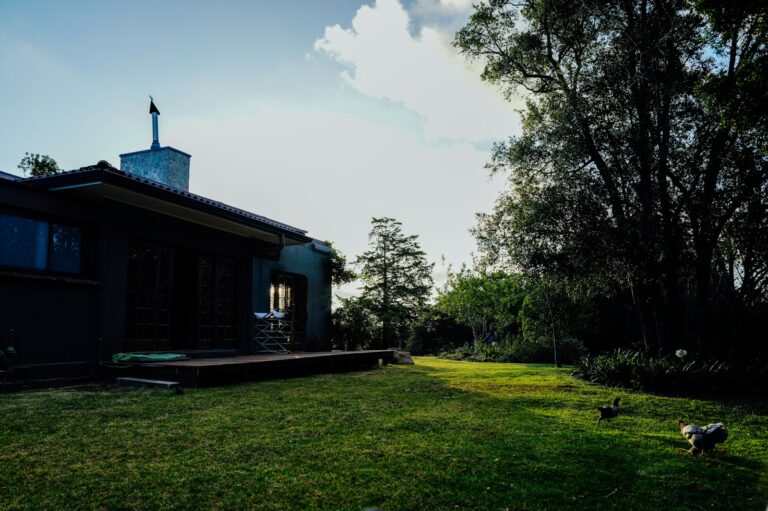
A backyard on Glenhurst Avenue
Atwater Village sits in Northeast Los Angeles, just north of the 5 Freeway. The boy was in his family’s backyard when the coyote reached him, and the animal then followed the child and his mother inside the home, the family told KTLA, according to Patch.
The boy was treated at a local hospital and released. State officials have not said exactly how the child was hurt, Hoodline reported.
Officers with the California Department of Fish and Wildlife responded to the block and, that same Friday night, found and euthanized a coyote in the area.
Months of sightings of a coyote neighbors called Wylie
For residents of the neighborhood, the encounter did not come out of nowhere. Neighbors told Patch they had raised concerns for months about a coyote they nicknamed “Wylie,” which had grown increasingly comfortable around people. Hoodline, which spelled the nickname “Wiley,” reported that residents had seen the animal chasing children and sitting on porches.
Neighbors set up a group chat to track sightings, and some began carrying air horns and bats, according to Hoodline. Some residents suspected someone in the area was feeding the coyote.
Rebecca Dmytryk, a wildlife expert with Humane Wildlife Control Inc., told Patch she filed a complaint with state wildlife officials in July and never received a response. Other residents contacted Los Angeles Animal Services. “The authorities knew about it and didn’t do the right thing,” Dmytryk said.
Neighbor Tori Samuel told Patch that residents have reported more coyotes in the area, including packs. Residents planned a community meeting on Tuesday, Oct. 20, to talk about preventing future encounters while keeping pets safe.
DNA samples from the boy and the euthanized coyote
Whether the animal that was put down is the same one that hurt the boy, and whether it is the coyote neighbors had been watching for months, was still an open question in the coverage. Officers collected DNA samples from the child and from the coyote to compare them, both Patch and Hoodline reported. Until results come back, it is not clear the right animal was killed. Neither outlet reported the results.
The state has used the same approach before. In April, the department euthanized a coyote in Carson after DNA testing linked it to attacks on two children, Hoodline reported. DNA was also collected after an adult was bitten in Gardena, to see whether one coyote was responsible for several attacks.
Conflicts between people and coyotes typically rise during pupping season, which runs from spring through fall, according to Hoodline.
What California rules say about feeding and moving coyotes
Feeding wildlife is illegal in California. Hoodline cited Title 14, Section 251.1 of the state’s regulations, which treats feeding wildlife as illegal harassment, and Section 465.5, which bars relocating trapped coyotes. Under that rule, a trapped coyote must be released where it was caught or euthanized.
The nearby city of Burbank spells out the same limits in its coyote FAQ. Relocation is prohibited under state rules, the city says, and tends to fail because coyotes return or are replaced by others. Feeding coyotes is prohibited under both Burbank’s municipal code and state code.
Landowners facing verified property damage or safety threats can apply for depredation permits through the department’s Wildlife Incident Reporting system, according to Hoodline. The department’s Keep Me Wild coyote page links to that system and directs anyone facing an emergency to call 911.
Yard steps wildlife officials recommend
The Department of Fish and Wildlife’s guidance on coyotes around homes starts with what draws them into a yard. Trash, recycling and pet food belong in secure bins, and spilled bird seed should be cleaned up because it attracts the rodents and small animals coyotes hunt. Small livestock and poultry should be locked in secure pens at night.
Small children and pets should be kept close, and small pets should not be left outside unsupervised or overnight, the department says. If a coyote approaches, the advice is to keep a distance, back away slowly, make loud noises by yelling, clapping or blowing a whistle, and appear larger by waving arms, then let the animal leave on its own. If a coyote makes contact, the department advises fighting back and then calling animal control or 911. Incidents can be reported through its online system.
Burbank adds yard-level steps: keep the yard trimmed and free of clutter, remove food and water sources, eliminate hiding places, and install motion-sensor sprinklers or lights. Hoodline reported that the state also urges residents to remove attractants such as pet food and fallen fruit.
Readers who keep birds may also want to see how one homeowner rethought a backyard chicken setup after a daytime coyote visit, and why neighbors feeding animals can change what shows up in a garden.
Get stories like this by email. Sign up for The Parent Diaries Letter.
This article was produced with AI assistance and edited for accuracy against the sources linked above.
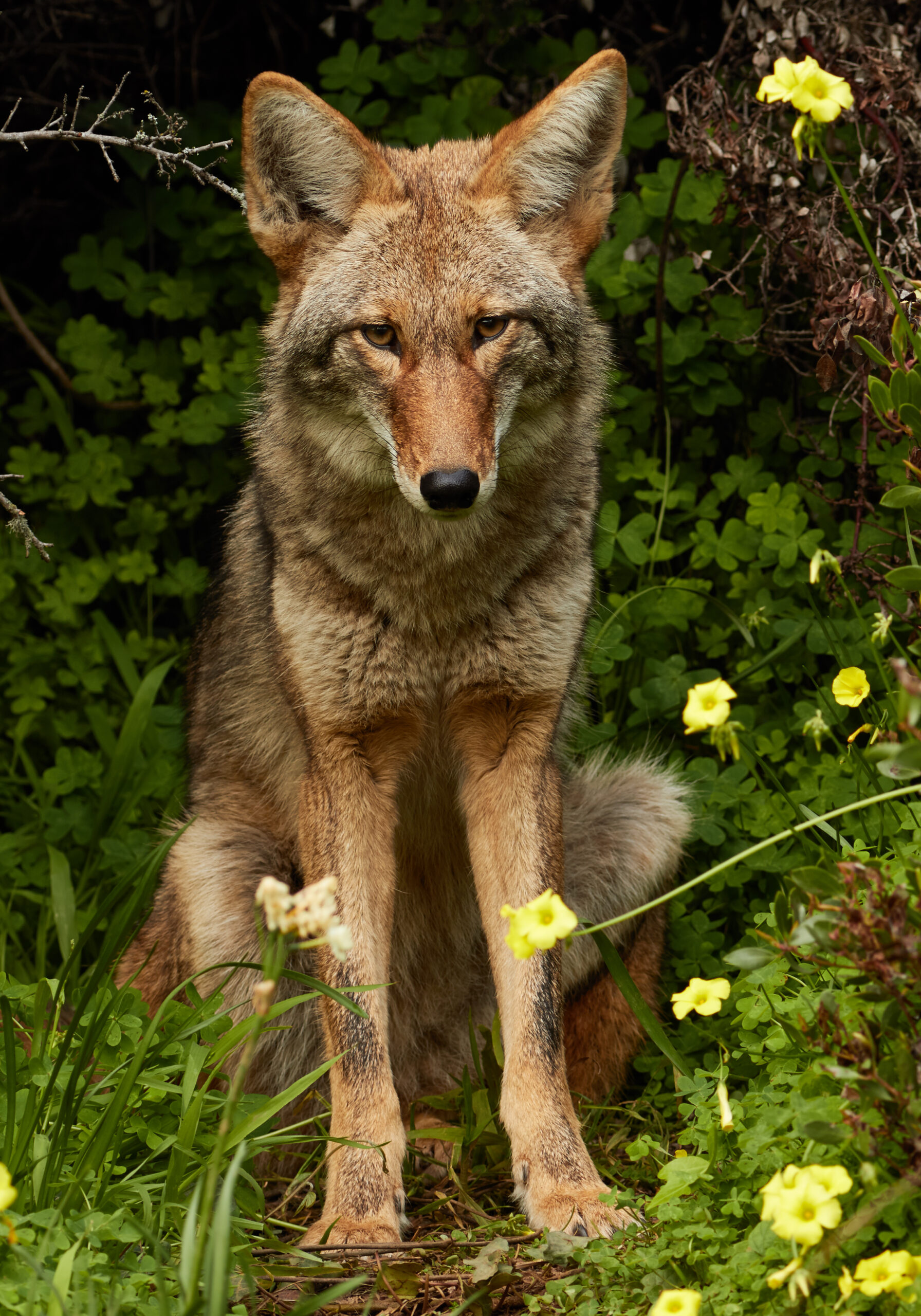
Image: Frank Schulenburg, CC BY-SA 4.0, via Wikimedia Commons