A Woman in Her 70s Found a Moose Calf Trapped in Wire Under the Apple Trees Behind Her Idaho Home, Then a Deputy Reached for an Unusual Tool
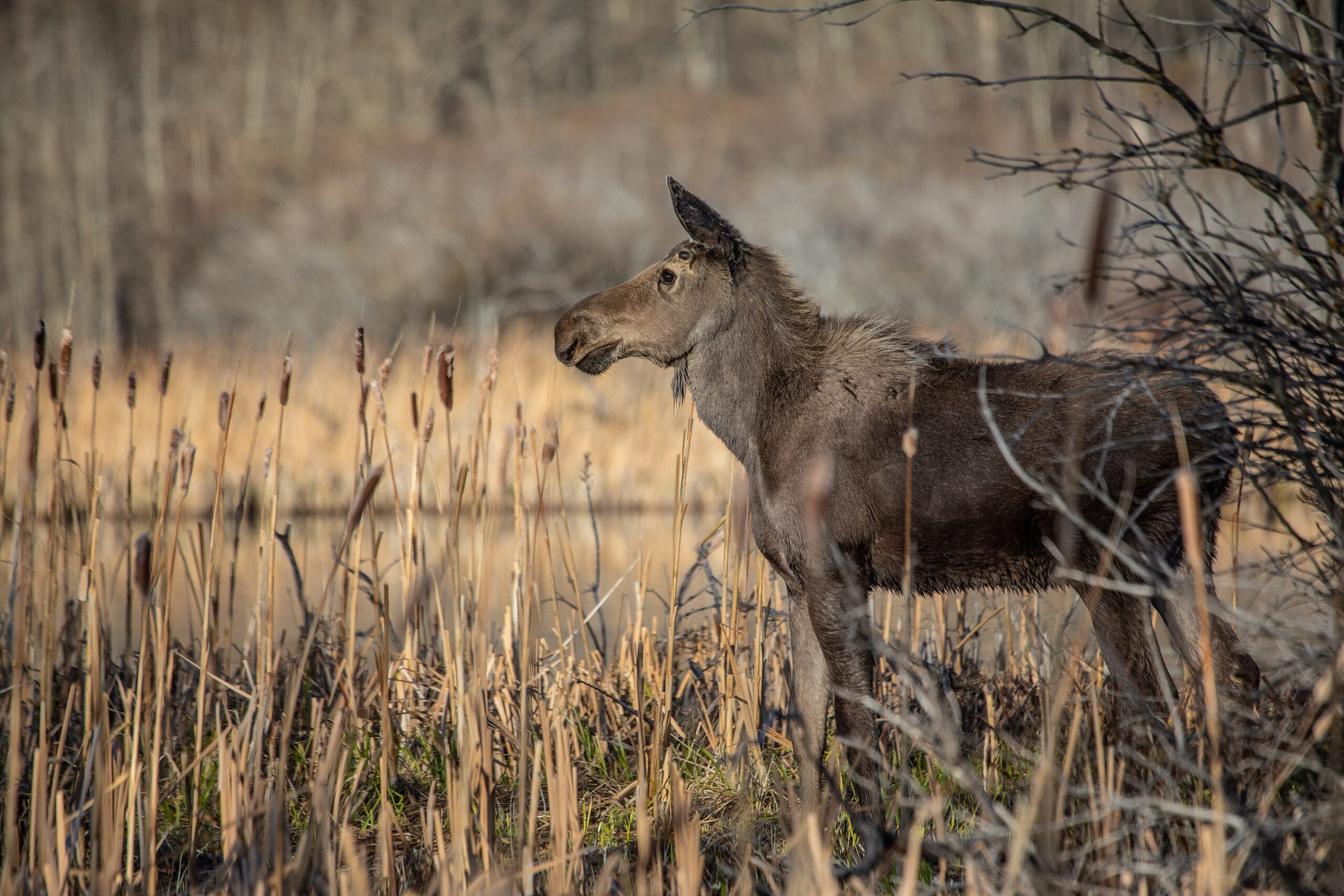
A pair of long-handled loppers, the kind sold for trimming tree branches, was the tool a Latah County forest deputy picked up to free a young moose tangled in wire fencing on an Idaho property this month. One of the handles cracked before the job was done, but the calf got up, ran to a nearby field and stopped to look back at him.
The calf had spent the night caught in the wire about 75 feet from the back door of a woman in her mid-70s, under the apple trees on her property. She called the sheriff’s office the next morning, and Deputy Shiloh Frantz came out to help.
A Night in the Wire, 75 Feet From the Back Door
The rescue took place on Oct. 14 in Latah County, Idaho, during what the sheriff’s office handled as a welfare check on a juvenile moose, AccuWeather reported, citing video captured by the Latah County Sheriff’s Office. The animal was entangled under apple trees, and the deputy cut the wire carefully over several minutes.
The woman who found the calf told the sheriff’s office it had been there overnight, according to Cowboy State Daily’s account of the rescue, which spoke with Frantz. Her home is in a county that covers about 1,077 square miles of north central Idaho, much of it the rolling farmland of the Palouse, with part of the St. Joe National Forest inside its boundaries, according to the Latah County reference entry.
Frantz suspects the calf had been separated from its mother during the fall breeding season. The apple trees on the property may have drawn it in, he told the outlet. In its own post, the sheriff’s office said the moose was released unharmed and “full of apples.”
Why the Deputy Chose Long-Handled Loppers
Frantz chose the long-handled loppers because their reach kept him farther from the frightened animal while he cut. The loppers were never designed for wire, and one handle cracked under the strain, Cowboy State Daily reported.
He was more worried about the calf’s mother than the calf itself, since a protective cow might have been nearby. No cow appeared. After the final cut, the young moose got to its feet, ran off and paused in a field to look back.
Frantz has no formal wildlife-rescue training. He told the outlet he has helped free deer, elk and moose before, and that deputies do far more than traffic stops and arrests.
Fences, Fruit Trees and Fall Moose
Fences are a common hazard for moose, elk, deer and pronghorn across the Mountain West, Cowboy State Daily noted, pointing to other recent moose rescues in the region, including a bull moose freed from a skate park in Montana on Oct. 7. In June 2026, wildlife workers tranquilized a bull moose near Interstate 25 at Wheatland, Wyoming, and in 2022 a moose calf was pulled from an icy pond in Teton County, the outlet reported.
AccuWeather’s report added that the moose breeding season runs from late September through November, when bulls can be more aggressive. Moose are also curious and often approach people, and they may see dogs as predators, which is why wildlife agencies tell owners to leash pets or leave them at home in moose country.
The timing matters. Moose rut and mate in September and October, according to the reference entry on moose, and calves normally stay with their mothers for about 18 months before being chased off. Moose are browsers that eat many types of plants and fruit, which helps explain why an orchard can pull one into a backyard. Adult cows can weigh 441 to 1,080 pounds, and adults stand 4.6 to 6.9 feet at the shoulder.
Colorado Parks and Wildlife’s guide to living with moose says cows guard their calves closely and can stay aggressive toward people, and especially dogs, well into summer. The agency also notes that moose can damage fences on private property and can move at up to 35 mph. Its rule of thumb is that if a moose reacts to a person’s presence, that person is too close.
What Homeowners Should Do When a Moose Is Caught
In Latah County, the job went to a deputy after the homeowner called for help. The National Park Service’s moose safety guidance warns that moose are not naturally aggressive but will defend themselves when they sense a threat, and that cows with calves call for extra caution.
Ears pinned back and raised hackles along the back are signs a charge is likely, the Park Service says. Most charges are bluffs, but a bluff means the moose is already agitated, and people should back away at once and put a tree or vehicle between themselves and the animal. Unlike with bears, running from a moose is acceptable, because moose usually do not chase far.
For anyone who finds a moose tangled in a fence, the safer path is the one taken here: stay well back, keep dogs leashed or indoors, and call the sheriff’s office or the state wildlife agency. In this case, a call the next morning, a deputy willing to try a garden tool, and one cracked lopper handle were enough to send the young moose back into the field.
Get stories like this by email. Sign up for The Parent Diaries Letter.
This article was produced with AI assistance and edited for accuracy against the sources linked above.
Image: GlacierNPS, Public domain, via Wikimedia Commons