Kingston Homeowner Dennis Merce Was Denied Permission to Remove Four Trees on His Property, Two of Them Diseased and Two Lifting the Sidewalk
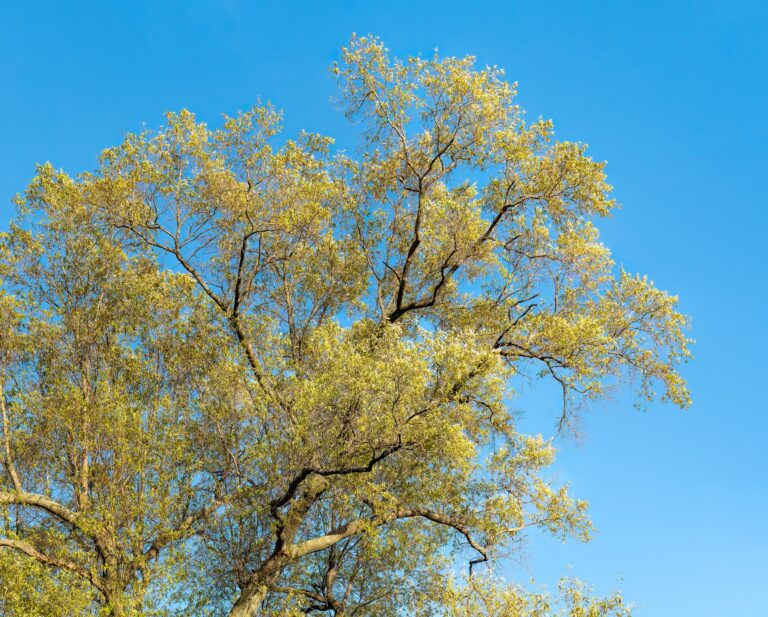
Dennis Merce wants four trees gone from his property in Kingston, Pennsylvania. Two of them are diseased. The other two have roots pushing up the sidewalk. But the borough’s shade tree commission turned down his request to remove them, and he says no one has told him why.
Merce told 28/22 News he is willing to pay what the borough asks and plant new trees in their place. What he can’t get is an answer, or even a clear ruling on whether the trees along his property line are his responsibility or the borough’s.
Four Trees, Two Different Problems
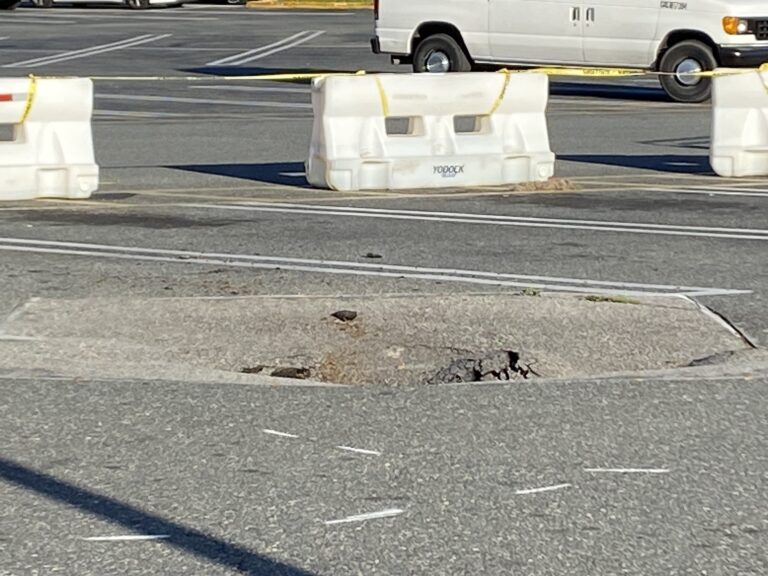
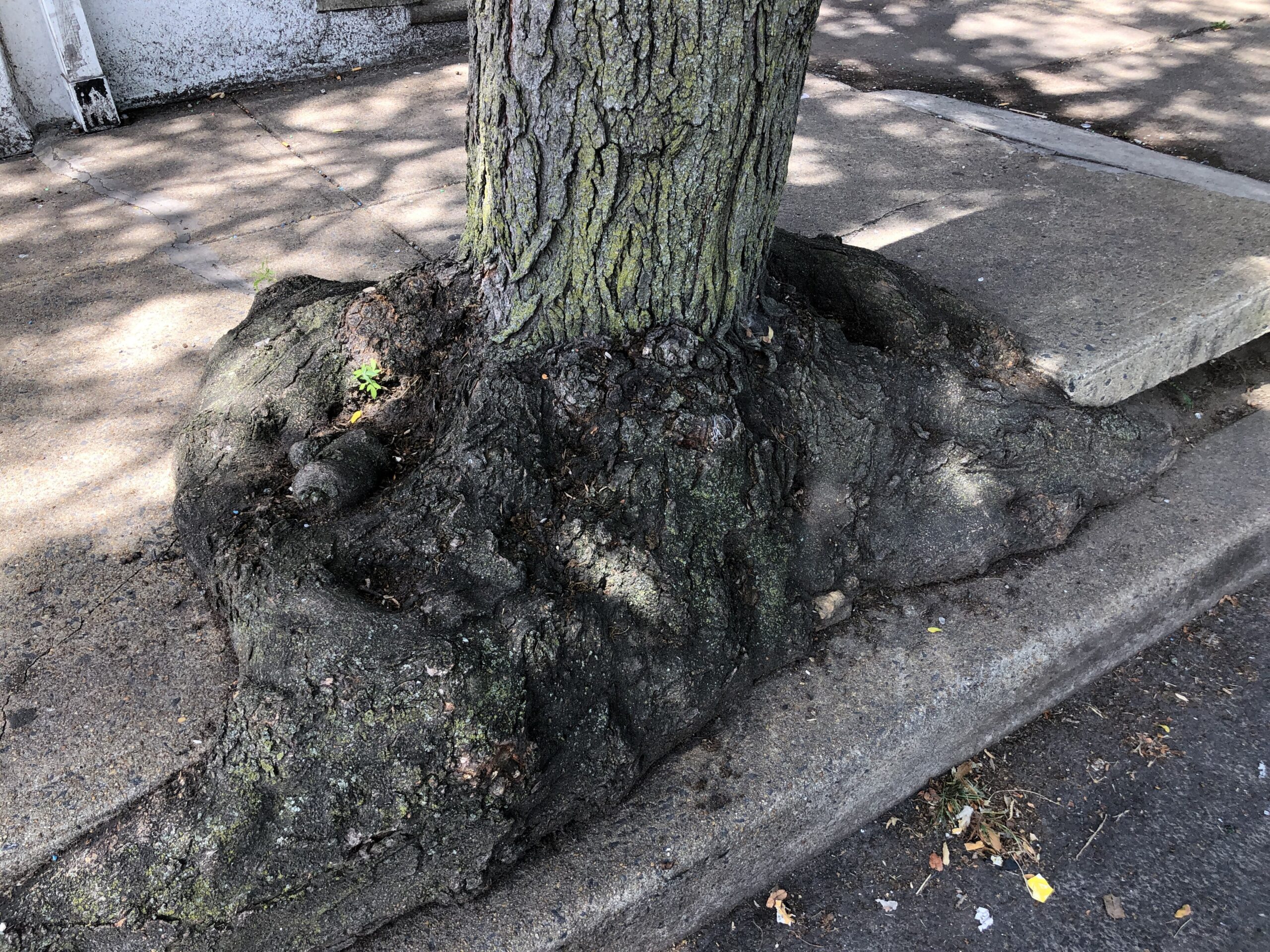
The four trees fall into two groups. Two are diseased. The other two are healthy enough to keep growing, and their roots are lifting the sidewalk in front of the house.
Both problems land on the homeowner. The University of California’s pest management program warns that decay and disease are what turn trees hazardous, with signs like fungal conks, cankers, cavities and cracks pointing to possible limb or trunk failure. A heaved sidewalk, meanwhile, is a tripping hazard for everyone who walks past.
Merce asked the borough to let him take all four down. The request was denied, the station reported, and he says he has not been able to get an explanation from the borough. The borough administrator had not answered the station’s request for comment when the story aired on Oct. 27.
Why the Borough Gets a Say
In Kingston, trees along the street are not entirely a homeowner’s call. The borough’s shade tree ordinance gives its Shade Tree Commission custody and control of shade trees along public highways. That includes the “tree lawn,” the strip between the curb and the sidewalk.
Under the ordinance, no one may remove, prune or alter one of those trees without a written permit. The application goes to the commission’s secretary and has to list the work, the location and the species.
Commissions like Kingston’s draw their power from Pennsylvania’s borough and township codes, according to Penn State Extension. When an ordinance sets one up as a decision-making body, it has exclusive control over the community’s shade trees, approving permits, reviewing hazardous trees and arranging plantings and removals. Members serve as unpaid volunteers.
Many boroughs build their rules from a sample shade tree ordinance from the Pennsylvania State Association of Boroughs, which sets up a commission and rules for trees in public rights-of-way.
The $100 Deposit and the One-Year Clock
When Kingston does approve a removal, its ordinance requires a $100 deposit for each tree. The homeowner then has one year to plant an approved replacement. If the commission signs off on the new tree, the deposit comes back. If not, the borough keeps it.
For four trees, that would mean $400 up front. Merce has said he is willing to pay it and replant.
Skipping the permit is a worse deal. The ordinance sets a fine of up to $300 plus costs for violations, and failing to pay can bring up to 30 days in county jail.
The ordinance also puts trimming on the property owner. Owners must keep shade trees in front of their homes trimmed to leave at least 12 feet of clearance over the street. If the commission sends written notice and the owner doesn’t act, the commission can do the work and bill the owner, and that bill can become a lien.
A Volunteer Commission With No Spokesperson
Part of Merce’s frustration is who he is dealing with. Kingston’s shade tree commission is run by volunteers and has no official spokesperson, according to the station.
That leaves a homeowner with a denied permit and no one assigned to explain it. It also leaves him unsure whether he is responsible for removal at all if the trees turn out to belong to the borough.
What Merce Is Asking For
Merce is not asking to skip the rules. He has said he will pay the $100-per-tree deposit and plant replacements within the year, as the ordinance requires.
What he wants is a reason for the denial and a clear answer on who owns the trees. Until the borough gives one, two diseased trees and two sidewalk-lifting ones stay where they are.
Get stories like this by email. Sign up for The Parent Diaries Letter.
This article was produced with AI assistance and edited for accuracy against the sources linked above.
Image: Famartin – CC BY-SA 4.0/Wikimedia Commons