Conway, Arkansas Has Suspended All Outdoor Irrigation, Including Lawns and Gardens, and Will Stay in Phase 3 Water Curtailment Through the End of the Year
Since Oct. 5, homeowners in Conway, Arkansas, have been told to switch off their automatic sprinklers and stop watering lawns, landscaping and gardens with city water until further notice. Conway Corporation, the city’s utility, said it will stay in Phase 3 of its Water Curtailment Plan for the rest of 2026 as drought keeps pulling down Brewer Lake, its main water source. The restrictions are mandatory and enforceable under a city ordinance.
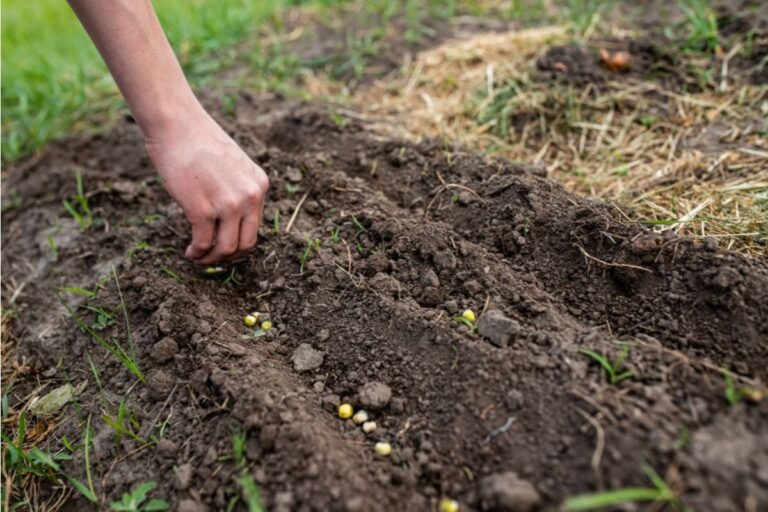
Gardeners do have one narrow option left. The utility said in its Sept. 29 notice that customers “may continue to hand water individual plants, flowers and shrubs as needed.”
From one watering day a week to none
Before October, Phase 3 still allowed lawn irrigation one day a week, assigned by street address on a Saturday and Sunday schedule. That schedule ended Oct. 5. In its place, Conway Corp asked residential and business customers to turn off automatic sprinkler and irrigation systems and to stop watering lawns with utility water. The notice said more than 90% of Conway Corp water customers are residential, so changes at individual homes add up quickly.
The utility said in a release reported by KATV on Oct. 5 that it would remain in Phase 3 through the end of the year. “These measures are necessary to help protect Conway’s water supply throughout the ongoing drought,” Conway Corp said in the release, as quoted by TriArk Radio, which noted that the weather had cooled but lake levels were still falling.
The utility’s curtailment page lists the rest of the Phase 3 rules. Minimum hand watering of potted plants and flower beds is allowed with hand-held containers. Residential pools may be topped off but not filled from empty. Cars may be washed at high-pressure, low-water car washes, or at home with a pressure washer or a hose fitted with a shut-off nozzle. Splash pads that do not recycle or treat their water must shut down, and commercial and industrial users may be asked to cut process water.
Violating the plan is a misdemeanor under City of Conway Ordinance O-99-74, punishable by fines or loss of water service, according to the same page. Conway Corp said it is monitoring compliance and may use warnings, direct outreach and penalties for repeat violations. It did not list fine amounts.
How low Brewer Lake has fallen
Brewer Lake is considered full at 330 feet above mean sea level. On Oct. 16, it read 314.6 feet, 15.4 feet below full and down 0.2 feet from four days earlier, TriArk Radio reported from Conway Corp’s figures. On Sept. 28, it stood at 315.4 feet, the station reported.
The decline has been steady since spring. The lake dropped below 320 feet in April, which triggered the first curtailment step, and by late July it had fallen to 318.3 feet while mandatory Phase 2 rules were in effect, KVOM reported at the time. Conway Corp later moved to Phase 3, then ended lawn watering altogether in October.
The utility’s own page traces the shortage to a drought that began in fall 2025. Voluntary conservation started in April 2026, and restrictions became mandatory after June 1. As of its Oct. 5 update, Conway Corp put rainfall about 13.7 inches below normal for the year and said the lake would need roughly 5 to 6 inches of widespread, heavy rain to recover significantly in the short term, and closer to 27 inches to refill to 330 feet. It has not given an end date. The restrictions, it says, will stay as long as necessary.
Water for drinking, cooking, bathing, sanitation and business operations is not affected. Conway Corp said it plans to post lake updates every few days.
Keeping trees and shrubs alive on hand watering
For yards in Faulkner County, the hardest choice is often what to save. Krista Quinn, a certified arborist and agricultural agent with the Faulkner County office of the University of Arkansas Cooperative Extension Service, said during a 2022 dry spell that trees should be the priority when homeowners have to choose, according to the University of Arkansas System Division of Agriculture. She named watering and light mulching as the two best ways to limit drought damage.
Her extension guidance names the signs of drought stress: leaf loss, early fall color and cracking bark, with young trees the most vulnerable. Newly planted trees benefit from watering during dry spells for their first two years. Watering in the early morning or evening cuts down on evaporation, the extension advice says, and the water should reach the whole area under the canopy rather than only the base of the trunk. Quinn recommends 2 to 4 inches of organic mulch spread over the root zone toward the edge of the canopy, kept away from the trunk and no deeper than about 4 inches.
Under Phase 3, any watering of shrubs, flowers and young trees in Conway has to stay within the hand-watering allowance, and sprinkler and drip systems tied to Conway Corp water stay off. Other places are facing similar dry-season choices: Denver Water has banned all lawn watering since Oct. 1, and in Virginia, extension agents are urging deep weekly watering for stressed landscape trees where supplies allow.
Get stories like this by email. Sign up for The Parent Diaries Letter.
This article was produced with AI assistance and edited for accuracy against the sources linked above.
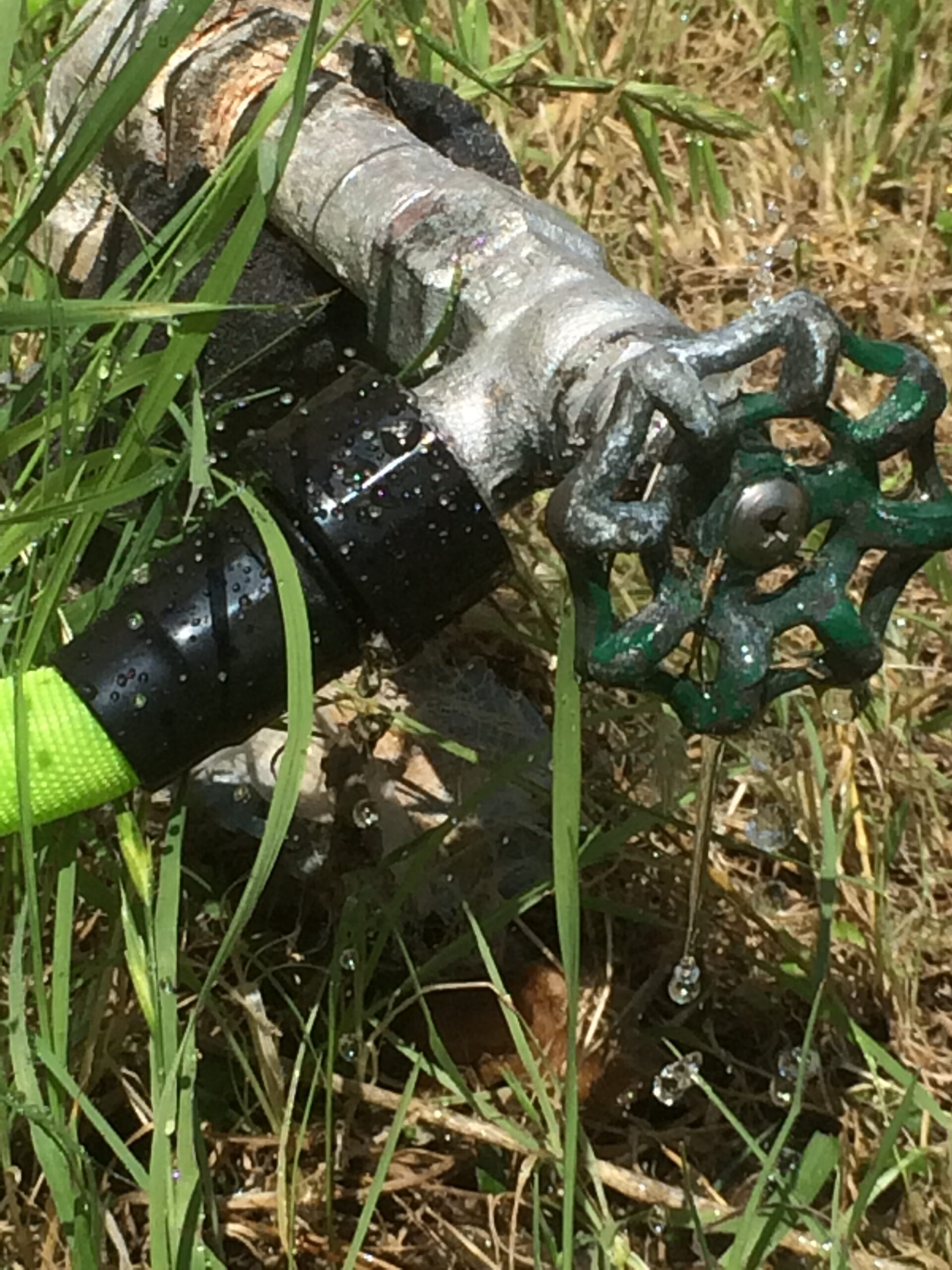
Image: TCAtexas – CC BY-SA 3.0/Wikimedia Commons