San Jose Rebuilt the Coyote Creek Community Garden With New Fencing, Irrigation and Planter Boxes Ahead of a November Reopening
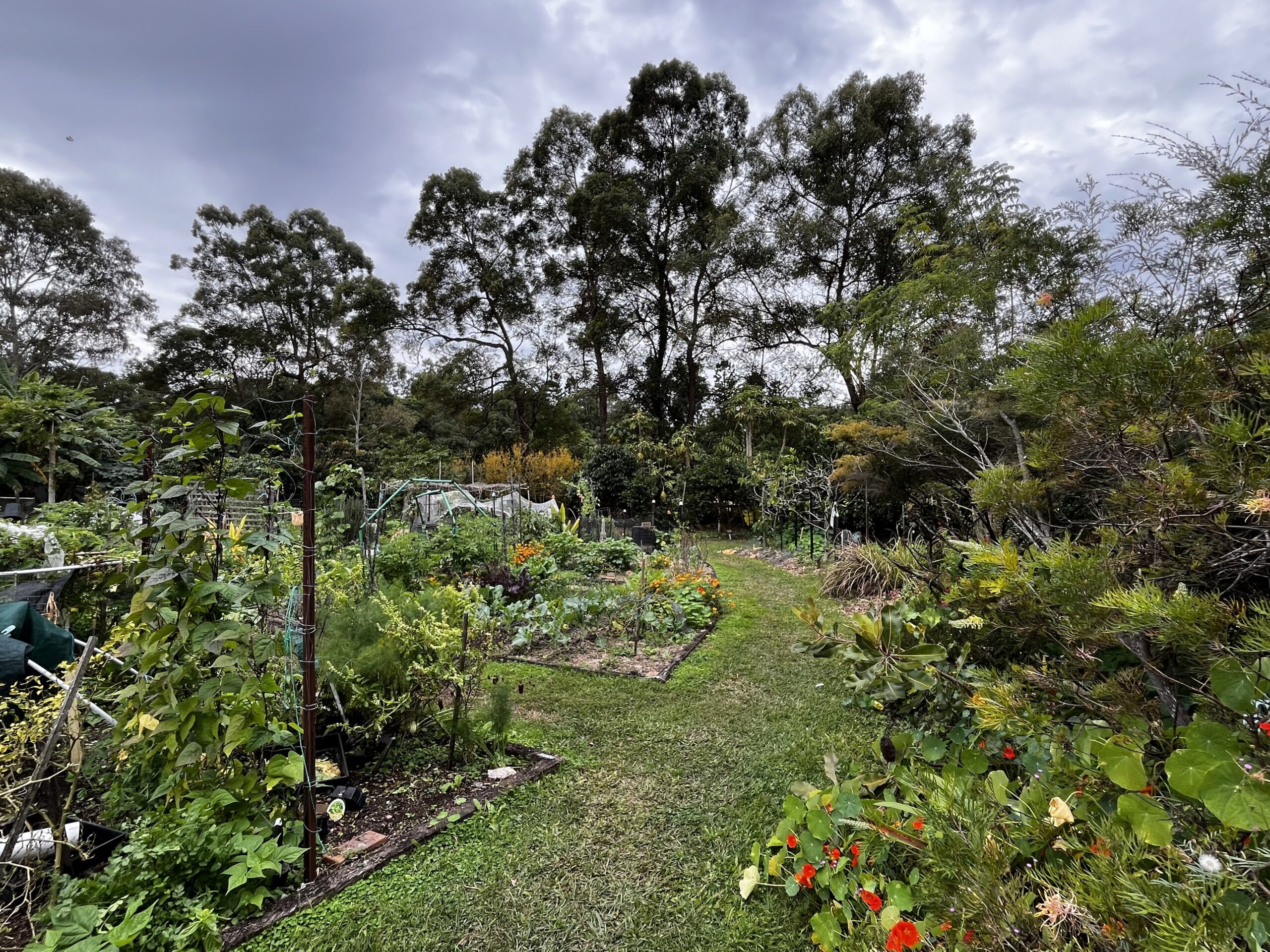
Across Tully Road from the Tully Community Branch Library, a one-acre plot that San Jose gardeners have worked since 1994 is about to grow food again. The City of San Jose has installed new fencing, irrigation lines and planter boxes at the Coyote Creek Community Garden, and Mayor Matt Mahan said it is set to reopen next month, Hoodline reported on Oct. 26.
The garden fell apart during the pandemic. “During the pandemic, this garden fell into disrepair and became a site for encampments,” Mahan wrote in a post on X announcing the work.
From encampment site back to garden plots
The city cleared the area after moving the people living there indoors, according to Hoodline’s account of the mayor’s announcement. Crews then built new fencing, ran new irrigation lines and installed planter boxes.
The mayor’s office lists the project as the Coyote Creek Community Garden revitalization on its community clean-ups page, which shows a clean-up at the garden on Oct. 24 and describes the series as focused on picking up litter and clearing debris. In his post, Mahan thanked the city’s Parks, Recreation and Neighborhood Services department, SJSU College Corps, the San Jose Conservation Corps, the Sheriff’s Office and the Seven Trees Neighborhood Association, and he encouraged neighbors to join the next clean-up.
The city has not announced a specific reopening date beyond November, and it has not published what the repairs cost.
The garden’s return is part of a wider push by the mayor’s office to clear encampments and move people into shelter. San Jose added more than 1,000 shelter beds in 2025 and moved about 1,700 people off the streets from January 2025 through August 2026, the office said in a Sept. 14 release. The same release said unsheltered homelessness fell 32% over 18 months, according to a model the city built with the firm UrbanLogiq. A separate city-commissioned model, reported by the Mercury News, put the unsheltered count at 3,702 in August 2026, down from 5,477 in February 2025. Hoodline noted that Santa Clara County has said it could not assess the city’s model because the methodology had not been shared.
What gardeners will find at Tully and Galveston
The Coyote Creek garden sits at Tully Road and Galveston Avenue and can be seen from Tully Road, according to the city’s facility listing, which says it has been in operation since January 1994. Individual plots range from 100 to 600 square feet, and the garden is open from sunrise to sunset with on-street parking.
Rent runs from 11 cents to 35 cents per square foot, depending on the plot, the listing says. Gardening there must be organic: pesticides, herbicides and chemical fertilizers are not allowed. Residents 18 and older can rent a plot, and a waiting list is kept when the garden is full.
People interested in a plot at Coyote Creek can reach the city’s Community Gardens Program at 408-793-4165 or [email protected] to ask about openings or join the waiting list. The city has not said how many plots will be available when the garden reopens.
Thirty-two years after it first opened
The city’s listing still dates the garden to January 1994, which makes this fall’s work a restart for a site with more than three decades of history rather than a new project. The mayor’s office has kept it on its clean-up calendar alongside clean-ups elsewhere in the city, with SJSU College Corps and the San Jose Conservation Corps among the groups Mahan credited.
Neglected city gardens have been brought back by neighbors elsewhere, too. In New York, Angela Maull revived an East Harlem garden whose kale, collards and tomatoes now supply a monthly food pantry.
Anyone who lands a plot this winter will be planting in the cool season. The UC Master Gardener Program of Santa Clara County’s fall vegetable guide lists garlic and shallot bulbs for October and November, onion seedlings for November and December, and continued transplanting of leafy greens through November. The program’s planting chart notes that crops mature more slowly in the cool fall and winter season than in spring and summer, so harvests take longer than the days-to-maturity on a seed packet might suggest in warm weather.
The same guide says Santa Clara County’s clay soil compacts easily and drains slowly, and it recommends working 2 to 3 inches of compost into the top 10 inches before planting. With shorter days and a lower sun, most cool-season crops need at least six hours of full sun, so beds shaded by buildings or fences struggle. Snails and slugs are the main early threat to new seedlings; the Master Gardeners suggest hand-picking them at night in the first few weeks and setting out boards or flowerpots where they hide. Santa Clara County residents can also call the program’s free Master Gardener Hotline at 408-282-3105.
Get stories like this by email. Sign up for The Parent Diaries Letter.
This article was produced with AI assistance and edited for accuracy against the sources linked above.
Image: Aliceinthealice – CC BY 4.0/Wikimedia Commons