‘Destroyed a Part of Me’: Chester Perry Told East Ridge’s Council What Losing His Native Garden and Oak Felt Like, and the City Is Now Looking at Its Weed Rules
Two and a half years of planting native grasses and wildflowers in his East Ridge, Tennessee, yard ended in October, when city crews mowed most of it. Chester Perry told the City Council at a public hearing that the mowing “destroyed a part of me,” according to the Chattanooga Times Free Press.
The Times Free Press reported on Oct. 31, 2026 that the city is now looking at revising its weed control rules. Perry, a lifelong gardener who moved to the Chattanooga area from Lexington, Kentucky, wants the ordinance rewritten to support a more natural habitat.
What Perry Told the Council
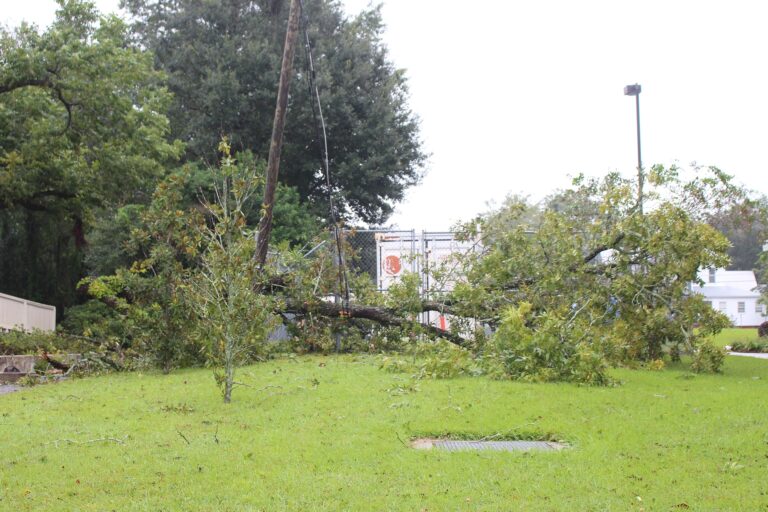
Perry said the yard was “scalped to the ground” and that his oak tree was gone, the Times Free Press reported. He called the current ordinance on weed and grass height vague.
The Chattanoogan covered the council meeting on Oct. 25. It says Perry came home for lunch and found the native-plant yard mowed down and an oak tree cut down. He said he had spent several years building a pollinator garden for bees, butterflies and birds, and that the clearing killed many small insects.
He told the council he felt extreme disappointment about how he was treated, and he asked the city to change the ordinance so people can keep yards like his.
Several neighbors spoke in his favor. One property owner said she is converting two and a half acres behind Camp Jordan from grass to native plants, and pointed out that the ordinance limits plant height even though tall natives such as purple coneflowers and sunflowers support pollinators. A neighbor on Perry’s street said native gardens can look unkempt once they stop blooming, but he supports allowing them anyway.
A Citation, a Spam Folder and a 10-Day Window
According to the Chattanoogan, East Ridge’s codes enforcement department sent a notice in September after a neighbor complained. The notice said the yard did not meet city code and gave Perry 10 days to respond.
Perry emailed an appeal, but the city’s firewall sent it to a spam folder, so the city never saw it. Local station WTVC added more detail on Oct. 21, 2026: code enforcement cited the owner for two violations, one for upkeep of the premises, which the city says Perry fixed, and one for high grass, which he appealed.
WTVC reported that an email showed Perry sent his appeal a week after the citation. City Manager Brian Koral said Perry tried to file in good faith but the city never received the message. The city typically fines owners after a clean-up notice, WTVC reported, but because of the system error it chose not to fine Perry.
The station says crews cut the plants 40 days after the citation, and that Perry described himself as heartbroken. WTVC described his planting as three years of growing, a different figure from the two and a half years in the Times Free Press, and both reports are attributed to Perry’s own account.
What the City Code Says and Where Officials Stand
East Ridge’s Building and Codes page names Ordinance 1190, Overgrown Dirty Lots, as the rule most relevant to tall vegetation. The page does not list height limits, and it says each complaint is investigated, evaluated and prioritized.
The process it describes begins with a drive-by inspection. A citation goes to the owner or tenant, who is told to contact the department and agree on a cleanup date. If the violation is not corrected by then, the owner is summoned before the city’s Administrative Hearing Officer on the date in the citation.
Chief Building Official Michael Howell told WTVC that the ordinance has no exceptions for native or exotic plants and does not define them. Mayor Brian Williams told the council, according to the Chattanoogan, that the city sees the benefits of native gardens but needs a reasonable balance, and that it will look at other cities for a model.
The city’s agendas and minutes page is where council packets are posted. As of Nov. 2, it lists an Oct. 22, 2026 agenda packet and no October minutes yet, so a formal vote on any new weed rule has not been posted.
Native Yards, Smart Yards and Other Towns
The Chattanoogan says another resident urged the codes department to learn about Tennessee Smart Yards. The program is led by UT-TSU Extension and teaches yard practices that put a landscape in balance with its local environment, according to its own site. Its native plant database lists more than 800 native and commercially available plants.
East Ridge is not the first place to argue over where a wildflower yard ends and an overgrown one begins. The site’s report on Danville, Illinois, covers a city that dropped its overgrown-vegetation case against an award-winning garden.
The first account of what happened in Perry’s yard is in the earlier report on the mowing. Since then, the story has moved from the yard to the council chamber, where a single citation, a missed email and a lost oak have started a conversation about what a rule on weeds should allow.
Get stories like this by email. Sign up for The Parent Diaries Letter.
This article was produced with AI assistance and edited for accuracy against the sources linked above.
Image: Rhododendrites / Wikimedia Commons (CC BY-SA 4.0)