East Ridge, Tennessee Mowed Down Chester Perry’s Three-Year Native Plant Garden and His Oak Tree After His Appeal Landed in the City’s Spam Folder
For three years, Chester Perry filled the front yard of his East Ridge, Tennessee, home with native and exotic plants meant to feed bees, butterflies, birds and other insects. In September, a neighbor complained. By the time the city’s crews finished, the garden had been cleared to the ground and an oak tree on the property had been cut down, after his emailed appeal landed in a city spam folder.
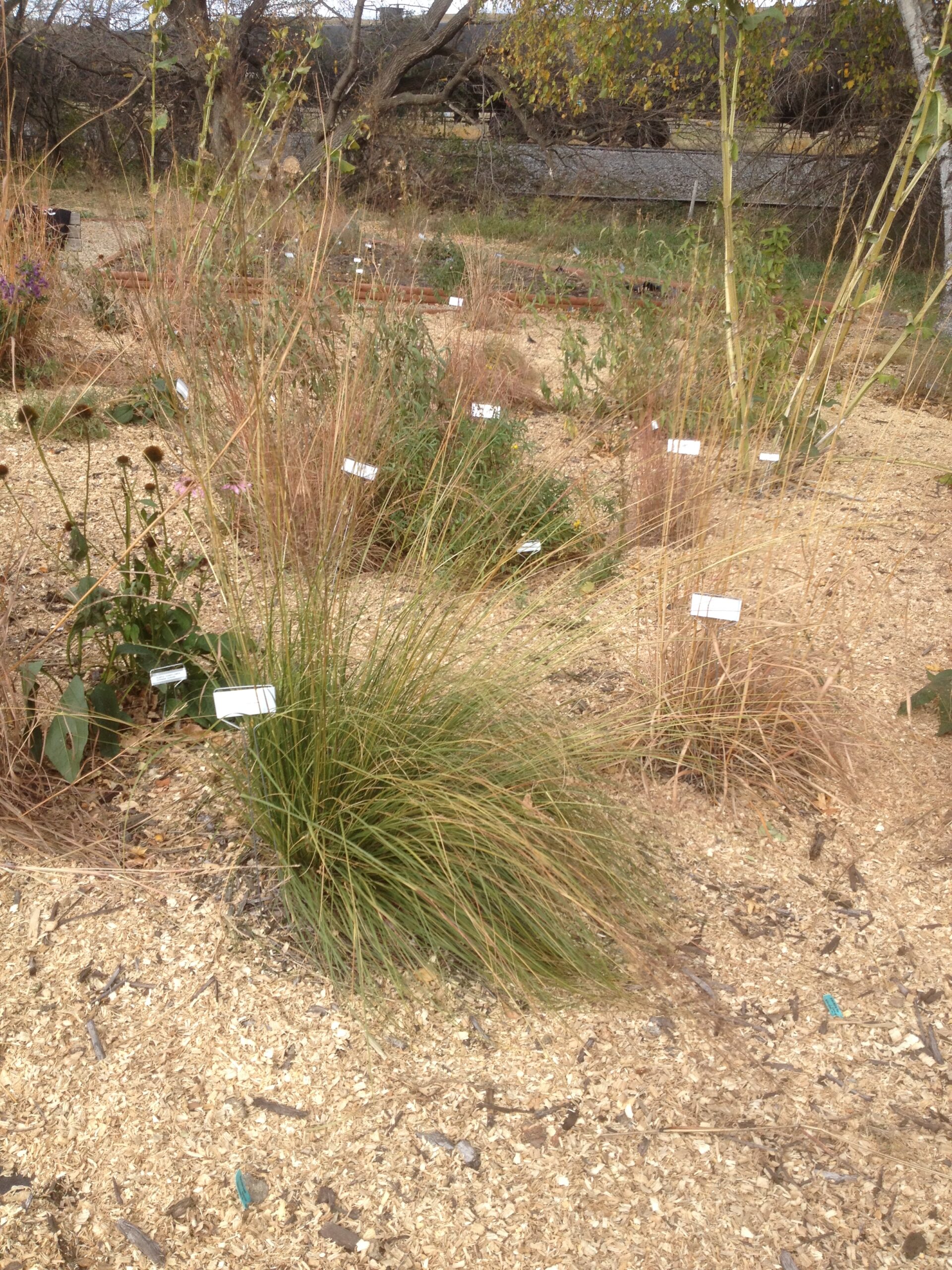
A Pollinator Yard Built Over Three Years
Perry told WTVC NewsChannel 9 that he grew the plants to “create a habitat for declining insect populations.” He spent three years cultivating the yard, choosing plants to support wildlife.
He came home for lunch one day and found it gone. Perry told the station he felt “heartbroken and just despondent” when he walked up to “this devastation.”
The Chattanoogan reported on Oct. 25 that the clearing at his home at 3840 Altima Drive took more than the flowers. The yard was mowed down and an oak tree was cut down as well. Perry described the garden as a pollinator garden for bees, butterflies and birds, and said the clearing destroyed many small insects along with the plants. Scraping the yard all the way to the ground, he said, made the loss worse.
His neighbor Taylor Westman told WTVC the loss hit close to home for her family and said it had broken her heart.
A Citation, an Appeal and a Spam Folder
The trouble started with a complaint from a nearby resident in September. East Ridge cited Perry for two violations, WTVC reported: one for general care of the premises, which he fixed, and one for high grass, which he appealed.
Chief Building Official Michael Howell said Perry had 10 days to appeal. Perry emailed his appeal about a week after the citation. The city’s firewall routed the message to a spam folder, and the city never received it. Crews cut the plants down 40 days after the citation was issued.
City Manager Brian Koral told the station that Perry “did try attempt to file it in good faith.” Because of the error in the appeal system, the city decided not to fine him, even though East Ridge typically fines owners after a cleanup notice.
The city’s Building and Codes Department describes the usual process. An officer inspects after a complaint, a citation goes to the owner or tenant, and the recipient is expected to contact the department to set a compliance date. If the violation isn’t corrected by then, the owner is summoned before the city’s Administrative Hearing Officer. The department lists one full-time residential inspector and two full-time code enforcement officers, who enforce city codes and the International Property Maintenance Code.
According to the city’s boards page, the Administrative Hearing Officer hears property maintenance cases once a month, and people cited receive a mailed notice with the hearing date.
No Exception for Native Plants in East Ridge Code
The heart of the dispute is that East Ridge’s rules do not recognize a native garden as anything different from overgrown grass. Howell told WTVC the city’s rules contain no exceptions for native or exotic plants, and that the ordinance “doesn’t define that.” The city lists other property code violations it handles, including abandoned vehicles, trash accumulation, deteriorated structures and unsecured swimming pools.
That gap drew neighbors to a city council meeting in Perry’s support, the Chattanoogan reported. One property owner behind Camp Jordan said she is converting about 2.5 acres of lawn to native plants and noted that the ordinance limits plant height, even though pollinator plants such as purple coneflowers grow 3 to 4 feet tall and sunflowers reach 8 to 10 feet.
A neighbor on Altima Drive said flowers can look like neglect once they stop blooming, but that he supports allowing native gardens. Another resident urged the codes department to learn about native yards through the University of Tennessee’s Tennessee Smart Yards certification, run with the Tennessee Water Research Center, and a video called “Next Step for Nature.”
Perry told the council he felt “extreme disappointment” and asked the city to change its ordinance to make room for yards like his. He said the world would be better off if people “valued all life great and small.”
Mayor Brian Williams Wants a Model From Other Cities
Mayor Brian Williams acknowledged the benefits of native yards and said the city needs a reasonable balance, according to the Chattanoogan. He said East Ridge will look to other cities for a blueprint.
Williams leads a five-member council that also includes Vice Mayor David Tyler and council members Andrea Witt, Jacky Cagle and Jeff Ezell, according to the city council page. The council meets on the second and fourth Thursdays of each month at 6 p.m. in the Council Chambers at City Hall, and schedule changes are posted at least 24 hours in advance.
East Ridge is far from the only place where a homeowner’s planting choices have collided with local rules this fall. In Georgia, an Acworth family’s front-yard tomato and pepper troughs drew $25-a-day HOA fines, and in North Carolina, two 100-year-old live oaks near Charlotte’s Freedom Park are slated to come down for a new home.
For Perry, the immediate loss can’t be undone. The plants, the insects living among them and the oak are gone. What remains open is whether East Ridge writes a rule that would let the next native garden on Altima Drive survive a complaint.
Get stories like this by email. Sign up for The Parent Diaries Letter.
This article was produced with AI assistance and edited for accuracy against the sources linked above.
Image: USFWS Mountain Prairie – Public domain/Wikimedia Commons