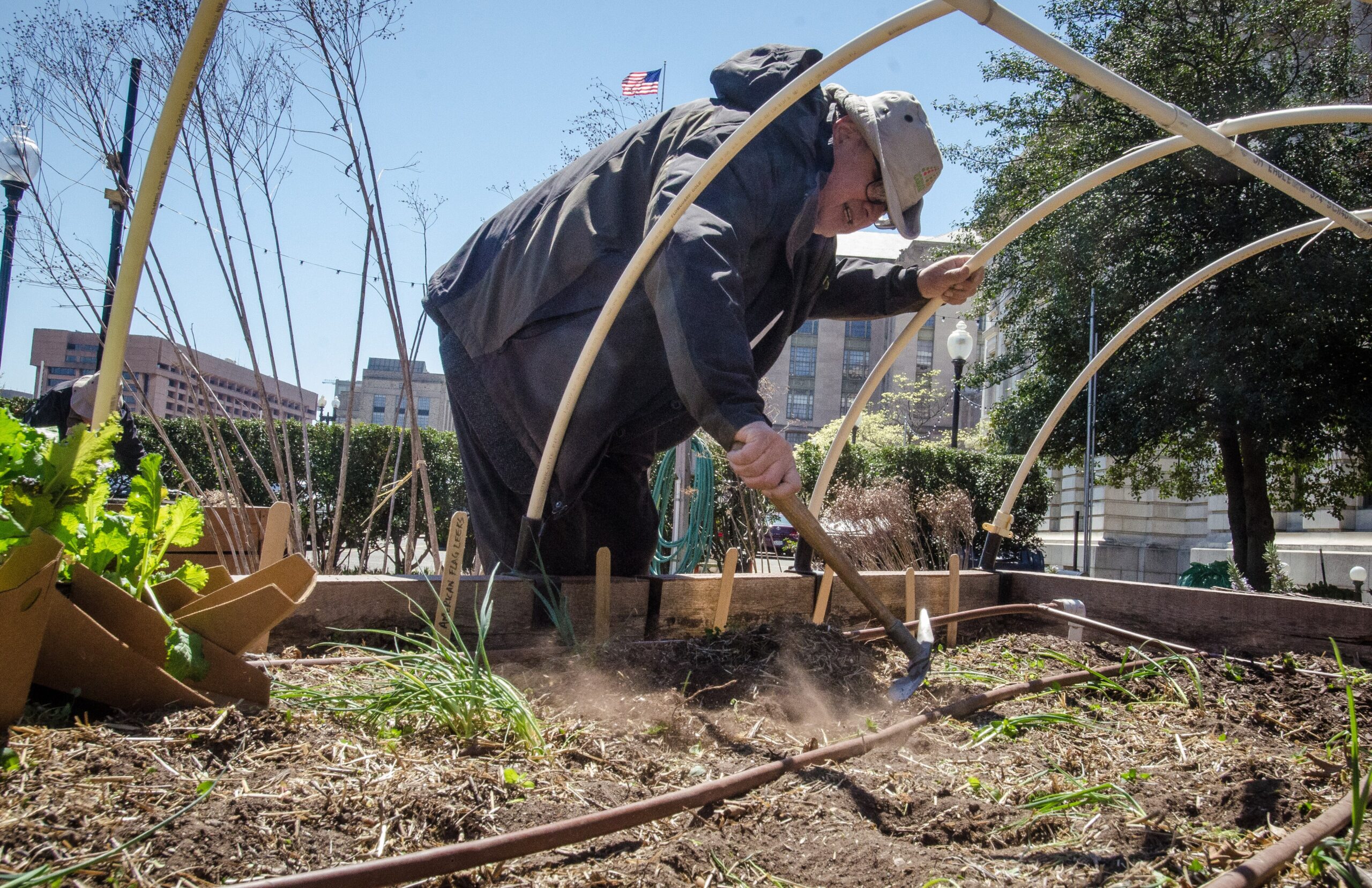
Danville, Illinois Backed Off Its Overgrown-Vegetation Case Against Jeremy Boggess and Kristi Church, Confirming Their Award-Winning Garden Can Stay
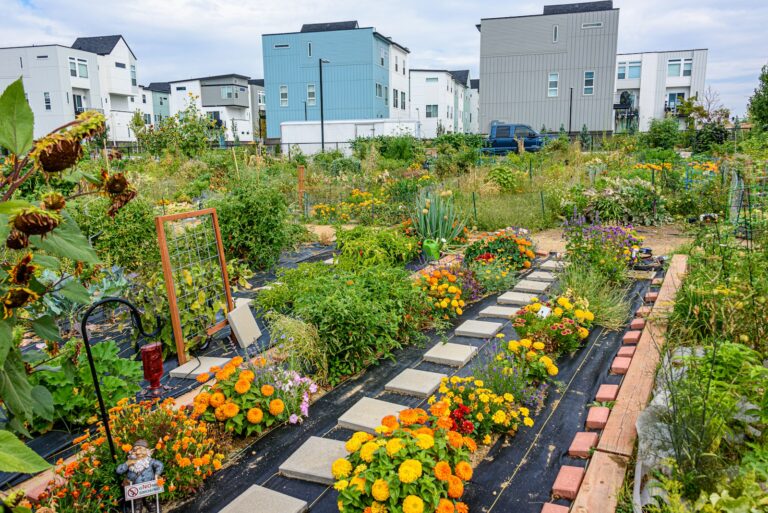
Strawberries, blueberries and grapes line what Jeremy Boggess and Kristi Church call a “snacking sidewalk” outside their Danville, Illinois, property, with mustard and collard greens nearby and hundreds of native plants growing out back. In August, a city code inspector cited the property as overgrown vegetation and warned that crews could cut it down and bill the couple. On Sept. 28, the couple’s lawyers at the Institute for Justice announced that Danville had reversed course, finding the garden complies with local code and confirming it can stay.
The turnaround came about a week after the legal group sent the city a letter citing Illinois’ 2021 law protecting home vegetable gardens.
A citation numbered 26-005643
Code Enforcement Inspector Justin Wernigk issued the citation on Aug. 10, 2026, according to the Institute for Justice’s Sept. 21 letter to Mayor Rickey Williams Jr. The citation relied on sections of the Danville Code of Ordinances covering weeds and property maintenance, including Sections 93.16(A) and 167.01(B)(25).
If the couple did not remove the plantings themselves, the city would cut the garden down and send them the bill, the group said in announcing the dispute. Neither the letter nor the release listed a fee or a compliance deadline.
The letter describes Church’s yard as a “historic cottage garden.” Its edible plants include strawberry, blueberry, grape, tomato, cucumber, pepper, broccoli, onion and Brussels sprouts, the lawyers wrote, along with flowers and pollinator plants. The back of the lot holds an ongoing reforestation project with hundreds of native plantings.
The award that came first
The same garden won the Old Town Preservation Legacy Award in 2024, an honor for restoring and preserving the neighborhood’s history, according to the Institute for Justice. The property sits in a light-industrial area about half a block from a Salvation Army, and the snacking sidewalk is meant for passersby to pick from.
Boggess said in the group’s first release that people forget how much nature contributes to physical and mental health until it is gone.
What the Illinois Garden Act says
The state law at the center of the case is the Garden Act, sometimes called the Vegetable Garden Protection Act. It says “any person may cultivate vegetable gardens on their own property,” and it also allows gardening on someone else’s property with the owner’s permission, in any county, municipality or other political subdivision, according to the Illinois Environmental Council, which helped push for it.
Gov. J.B. Pritzker signed the measure in July 2021 after it passed both chambers by wide margins, the council reported. The Institute for Justice helped draft it. The group says the law bars local ordinances that specifically regulate vegetable gardens, and its lawyers wrote that its protection reaches flowers and pollinator plants as well as food crops.
In its letter to Danville, the group argued that the city’s weed ordinance appeared to reach flowers and pollinator plants the act protects. It also raised due process, equal protection and takings claims, and it asked the city to meet before taking any further enforcement action. The lawyers wrote that destroying the garden could amount to an uncompensated taking under the U.S. and Illinois constitutions, with damages as the remedy, and pointed to a state statute that lets a winning plaintiff recover attorneys’ fees and costs in cases enforcing rights under the Illinois Constitution. They also asked Danville not to apply the same ordinance sections to vegetable gardens in the future.
How Danville reversed course
City officials held a hearing several days after receiving the letter and determined the garden complied with code, the Institute for Justice said in its Sept. 28 announcement. Danville said it would not pursue enforcement.
“Illinois law could not be clearer: people have the right to grow food and pollinator plants on their own property,” said Ben Marsh, a litigation fellow with the group who co-wrote the letter. Marsh said he hopes other Illinois municipalities take note.
Boggess said the couple never expected to have to fight code enforcement over an award-winning garden, and that they can now turn to end-of-season cleanup and plans for next year.
The second Illinois garden saved this year
Danville is not the first Illinois town this year to back away from a weed citation aimed at a garden. In Millstadt, botany instructor Laura Schaefer spent more than five years turning two neglected lots into a garden of native plants and vegetables. She was cited under the village’s ban on “high grass and weeds” and given seven days to remove it, or city workers would do it at $40 an hour, the Institute for Justice reported. After the group sent a letter citing the same state law, the citation was rescinded.
In both towns, the group argued that a general weed rule could not be used to remove vegetables, fruit, flowers and pollinator plants the Garden Act protects. Not every city has backed down so quickly: in Tennessee, East Ridge mowed down Chester Perry’s three-year native plant garden and his oak tree after his appeal landed in the city’s spam folder.
Get stories like this by email. Sign up for The Parent Diaries Letter.
This article was produced with AI assistance and edited for accuracy against the sources linked above.
Image: USDAgov – Public domain/Wikimedia Commons