Sweet Alyssum, Pansy and Snapdragon Keep Fall Containers Blooming in Chilly Weather, and HGTV Adds Carex Grass for Height and Texture
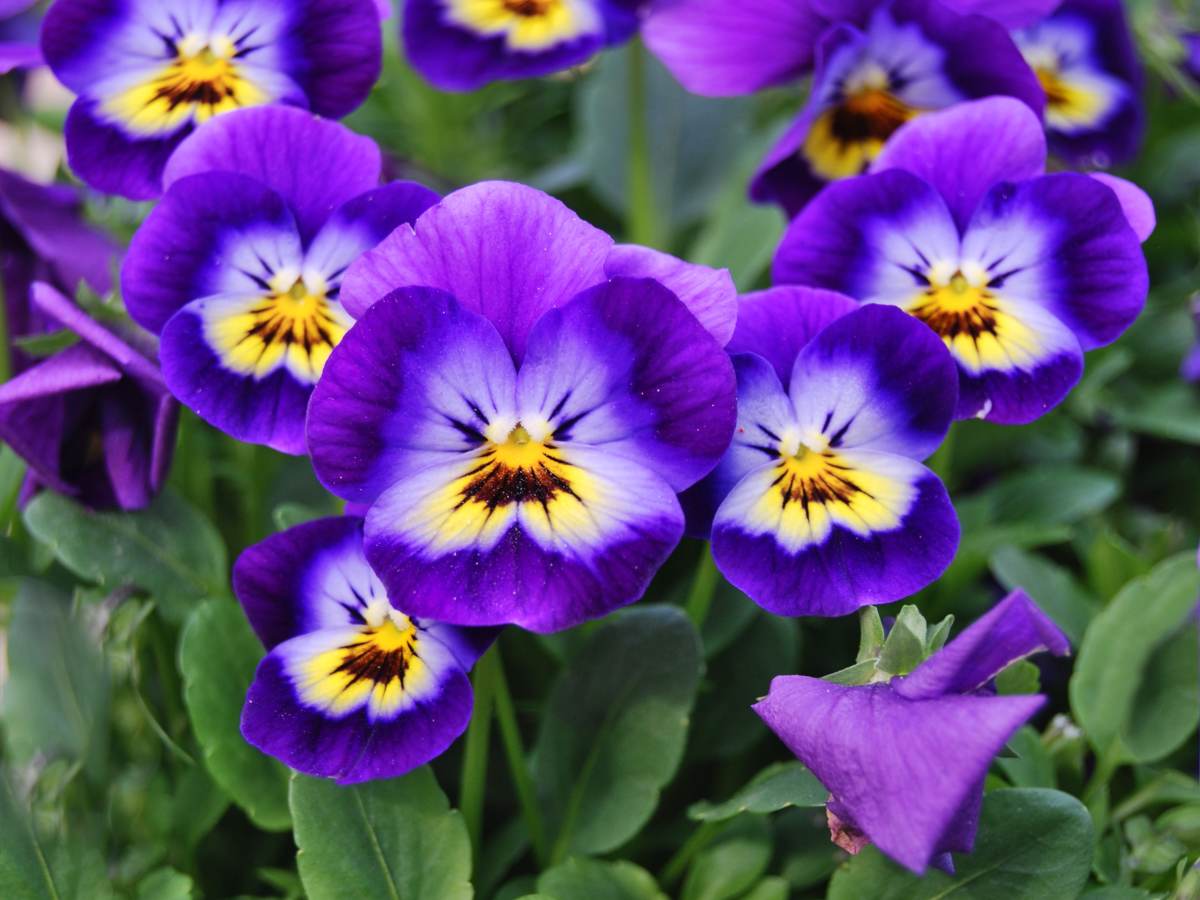
Pansies put on their best show when nights are in the 40s and days are in the 60s, HGTV’s Julie Martens Forney writes in her November garden to-do list. That makes them a natural pick for the pots that are left over once summer annuals fade, and Forney is not alone in naming them.
In a separate list of fall projects, she says sweet alyssum, pansy and snapdragon keep fall containers blooming in chilly weather, and that carex grass adds height and texture. Extension horticulturists in South Carolina, Iowa, Mississippi and Georgia back up the plant list and add details on cold limits and pot design.
The four plants on HGTV’s list
Forney’s “17 Last-Minute Fall Garden Projects” says sweet alyssum, pansy and snapdragon bloom well on chilly days. Grasses such as carex, in both perennial and annual types, hold up as temperatures drop, she adds, and they supply texture or an upright element to cold-weather containers.
Her November to-do list repeats the idea of swapping spent warm-weather annuals for cool-season plants, naming pansies, flowering stock, sweet alyssum and flowering kale or cabbage. It says flowering kale’s colors are brightest when nights drop below 59 degrees, and that it lasts until spring where temperatures stay above 5 degrees.
What extension specialists say about each plant
Ginger Elizabeth Long, a Home and Garden Information Center agent with Clemson Extension, calls pansies and violas the best annual flowers for cool-season color in a Sept. 18, 2025 article. Violas produce more blooms and need less deadheading than pansies, she writes. Sweet alyssum is a trailing annual that works along the edge of a pot, and short to medium snapdragon cultivars bloom most heavily in fall and early spring. Her list of foliage plants includes sedges, the group that contains carex.
Dr. Eddie Smith, a Mississippi State University Extension specialist, calls snapdragons “surprisingly cold-tolerant” in a December 2025 column. They often survive light freezes and keep blooming during mild spells, he says. Smith adds that pansies bloom through frost, often until spring, and should be planted in early fall so roots can establish before winter. Violas have smaller blooms but often outperform pansies in the coldest stretches, he says.
How cold is too cold
The limits are worth knowing before a hard freeze. Aaron Steil of Iowa State University Extension says many cool-season annuals tolerate a light frost, often surviving down to about 28 degrees and sometimes 25 degrees with little damage. Most struggle in heat above roughly 80 to 85 degrees, so they are usually replaced with summer annuals once frost danger passes.
Clemson’s Long says pansies and violas bloom best when temperatures are above 32 degrees, and that snapdragons bloom less during the coldest winter days. Forney adds that medium-flowered pansies tolerate Zone 4 or 5 winters better than large-flowered ones, and that pansies keep blooming through November in all but the coldest regions and through winter in mild zones.
More plants that share the pot
Beyond the four on Forney’s list, the extension lists reach further. Long names compact mums, which are usually finished by December and can be planted in the garden afterward, and compact asters bred for pots that can also go in the garden. Her foliage list includes ornamental cabbage and kale, Swiss chard, red mustard, parsley, sage, rosemary, coral bells and ivy. She advises keeping ivy confined to containers, since it can become invasive in the landscape.
Smith adds dianthus, which thrives in cooler temperatures and blooms intermittently through winter before returning in spring. It needs full sun and well-drained soil, he writes, because it dislikes staying wet. Trawick suggests upright rosemary or juniper as the center plant in larger containers, with Swiss chard, Redbor kale or Red Giant mustard as other options.
Pot choice matters too. Trawick says lightweight terra-cotta or stone-look pots can be drilled with ¾-inch holes, four or five per pot, if they lack drainage. He also notes that colorful bowls are easy to move indoors during harsh winter spells.
Building the pot
Forney’s pansy tips are practical: plant them closely together, since growth slows in cold air and soil, and keep them away from road salt and standing water in well-drained sites. Robert Trawick of the University of Georgia Cooperative Extension offers a layout in a Nov. 21, 2024 column built on “thriller, spiller and filler.” Snapdragons are among his taller thrillers, pansies and violas serve as spillers, and ivy, dwarf sweet flag and sages fill in.
Trawick recommends a large container with a drainage hole and a light, fluffy potting mix that already contains controlled-release granular fertilizer. Cool-season pots need less water than in summer but still need supplemental irrigation, he says, and a water-soluble fertilizer every couple of weeks. Clemson’s Long suggests trailing alyssum or ivy along the edges so they spill over, with upright plants such as Swiss chard for height.
Iowa State recommends planting fall annuals in mid-to-late September, and says plantings can stay in the ground through winter. They can be replaced in early spring, or left to bloom until the danger of frost passes, around early to mid-May for much of Iowa. Gardeners shopping now are past that window in much of the country, and Smith’s early-fall advice for pansies applies the same way. Mild-winter gardens, as Forney notes, can keep pansies blooming all winter. For other container ideas that last, this site has a roundup of plants that thrive in containers.
This article was produced with AI assistance and edited for accuracy against the sources linked above.
Image: “Viola Cornuta Horned Pansy Mysthical” by H. Davies is licensed under CC BY 4.0.