Elephant Ear Tubers Dug After the First Frost Need 1 to 2 Weeks of Drying, Then a Winter Spot at 70 to 75 Degrees, Iowa State Says
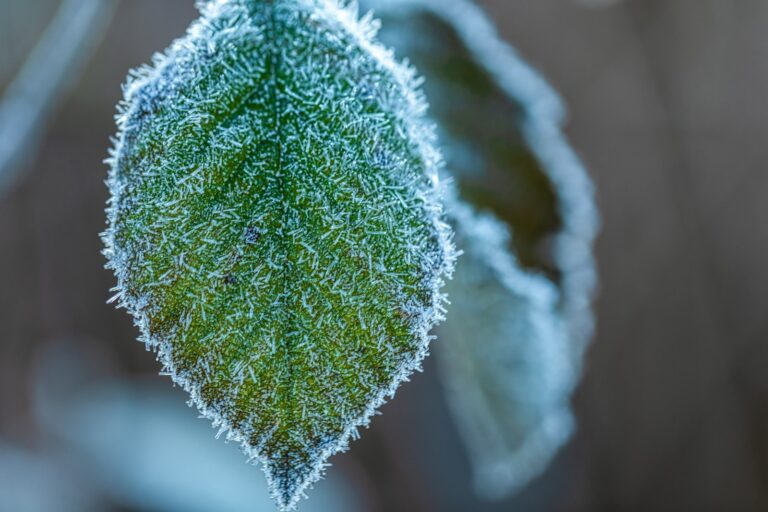
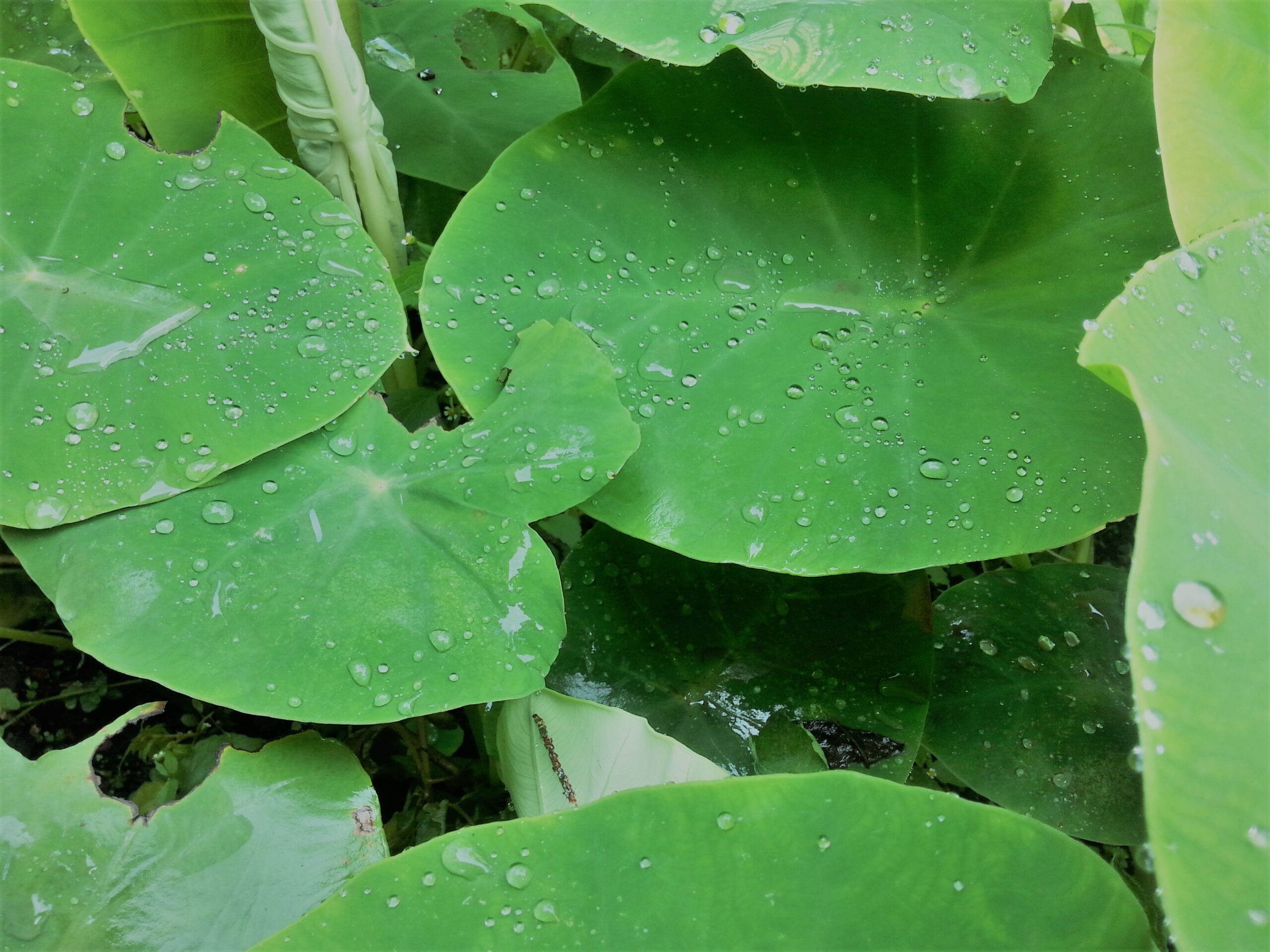
Under the blackened leaves of an elephant ear after the first frost sits a fat, dirt-caked tuber that can grow the same plant again next summer. Left in cold ground, it will not make it.
Iowa State University Extension and Outreach says the tubers should be dug after the first fall frost, dried for 1 to 2 weeks and then kept somewhere warm, at 70 to 75 degrees, until spring. That is far warmer than most tender bulbs want.
The Window Between a Light Frost and a Hard Freeze
Elephant ears can take a light frost but not a hard freeze, according to Penn State Extension Master Gardener Susan Marquesen. In her guide to overwintering tropical plants, updated Oct. 12, she warns that a hard freeze will turn the bulbous roots into mush.
That leaves a short window. Marquesen says to dig after a light frost has killed back the tops but before a hard freeze can damage the roots. She prefers to get elephant ears ready before the first frost arrives.
Margaret Hagen of University of New Hampshire Cooperative Extension gives the same signal for Colocasia esculenta, the common elephant’s ear: lift the tubers after frost kills the tops. She also cautions that bruises and cuts from careless digging invite bulb rot, so the tubers should be handled gently.
Drying the Tubers First
The steps from Iowa State’s Yard and Garden FAQ are short. Cut off the foliage, dry the tubers in a warm, dry spot for 1 to 2 weeks, then bury them in peat moss or wood shavings.
Marquesen cuts the foliage back to 4 to 6 inches and dries the plants in a warm place for a few days. She leaves some soil on the roots on purpose, because washing them invites rot. The cut foliage can go in the compost.
Hagen’s UNH method is quicker: a day or two in the sun, then the clinging soil comes off before storage.
Why Elephant Ears Want 70 Degrees
Most tender bulbs and tubers are stored cool. Marquesen writes that most tuberous plants do best at 45 to 55 degrees in a cool, frost-free spot, but elephant ears prefer about 70.
Hagen’s UNH guide makes the same distinction. Dahlias and cannas go into storage at 40 to 50 degrees, gladiolus at 40 to 45, and caladiums at 55 to 60. Elephant’s ears are stored warm, around 70 degrees, in a dry place.
Iowa State’s FAQ puts the range at 70 to 75. Not every extension guide goes that high. Iowa State’s broader guide to overwintering tender perennials lists 55 to 60 degrees for elephant’s ear, which it notes is still warmer than most tender perennials need, and Purdue University’s yard and garden guidance gives 50 to 60 for elephant ears and caladiums. Every one of these guides still stores elephant ears warmer than dahlias, which Purdue keeps at 35 to 40 degrees.
Keeping Them Sound Until Spring
The balance in storage is moisture. Marquesen keeps roots dry enough not to rot but moist enough not to shrivel. She uses a ventilated box lightly covered with dry peat moss or potting soil, or a bin with its lid set on but not sealed.
She checks the tubers through the winter, lightly mists any that are starting to shrivel and throws out any that are rotting. Washing the roots, overwatering and hard freezes are the three things she names as causes of rot and mush.
Purdue suggests drying the tubers for 7 to 10 days to remove surface moisture, then packing them in a strong box with dry vermiculite, peat moss, sawdust or a similar material.
Iowa State’s tender perennials guide adds general advice for every stored bulb: check them periodically, remove any that are rotting or shriveled, lightly moisten packing material that has dried out and avoid overwatering.
Caladiums, another tropical tuber grown for its patterned leaves, also go into storage warm. Iowa State’s tender perennials guide says to dig them when the foliage droops and yellows in cool fall weather, or after the first hard frost, and to shake off the soil gently.
The tubers cure in a warm, dry place for 1 to 2 weeks before the dried foliage is cut off. Then they are buried in dry peat moss or vermiculite and kept at 60 to 65 degrees in a dry location. Iowa State says to check them often, because the small corms dry out and die easily. UNH lists a slightly cooler 55 to 60 degrees for caladiums, and Purdue says to keep them closer to 60. Tuberous begonias, by contrast, cure for 2 to 3 weeks in a cool, dry area and go into storage at 40 to 50 degrees, according to Iowa State.
Bringing the Whole Pot Inside Instead
Elephant ears grown in containers do not have to be dug at all. Hagen’s UNH guide says a potted plant can come indoors to a dark, dry spot, with the leaves cut back once they yellow and the soil watered only 2 to 4 times over the winter.
Marquesen gives similar advice for container plants: water only when the soil is completely dry.
In warmer zones, the November garden looks very different, and gardeners in zones 7 to 10 can keep planting well into the month. In colder areas, lifting the elephant ears belongs on the same list as the rest of the fall cleanup, done before the ground freezes.
Get stories like this by email. Sign up for The Parent Diaries Letter.
This article was produced with AI assistance and edited for accuracy against the sources linked above.
Image: Sabina Bajracharya – CC BY-SA 4.0/Wikimedia Commons