A Six-Inch Coleus Cutting Taken Before Frost Roots in About Three to Four Weeks, Saving the Plant for Next Spring
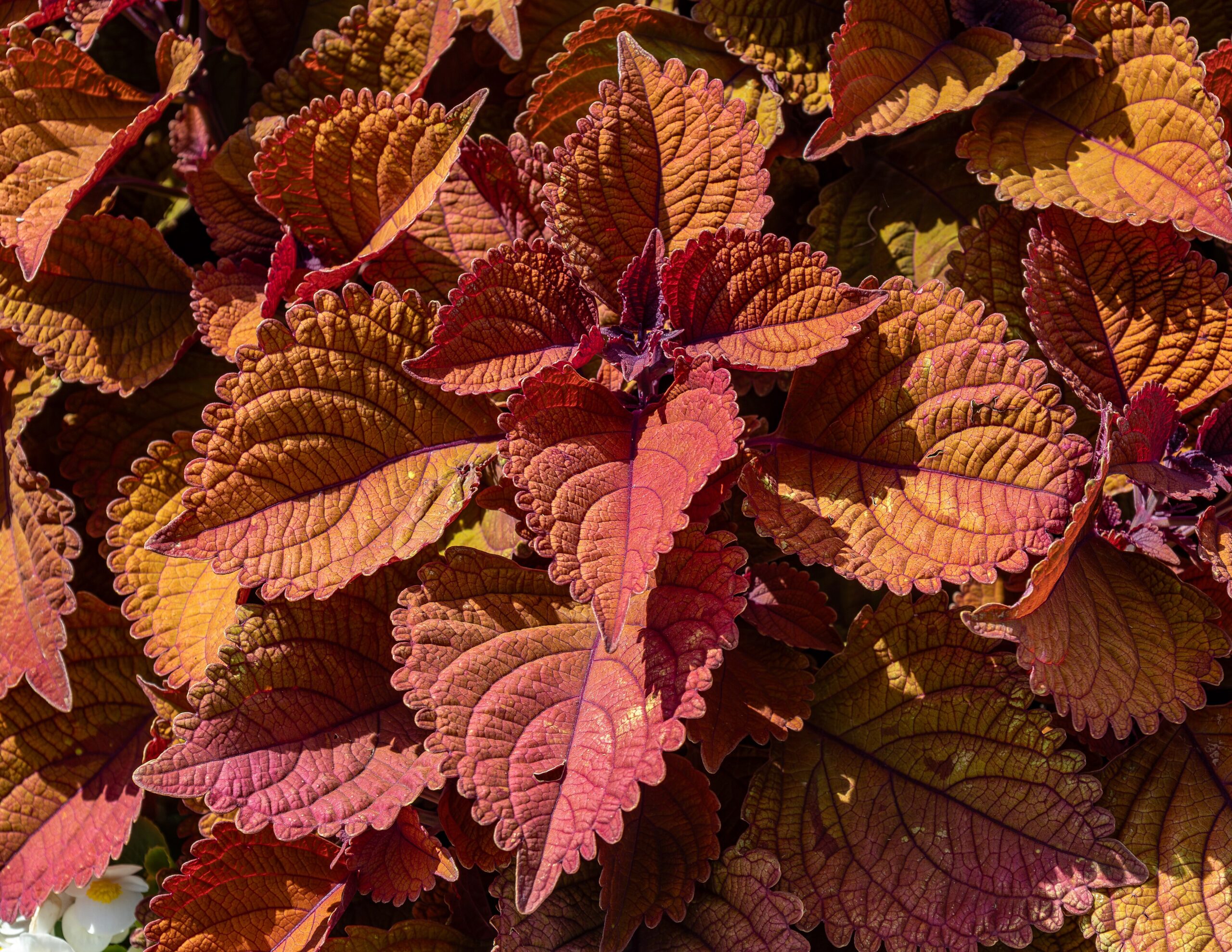
Six inches of healthy stem is enough to carry a favorite coleus through winter. Penn State Extension says a cutting that size, taken before frost and set in moist potting mix, forms roots in about three to four weeks. By spring, that cutting can be a full plant ready to go back outside, with no new nursery purchase.
The method comes from Penn State Extension’s guide to overwintering tropical plants, written by Susan Marquesen, a Master Gardener in Allegheny County, and updated Oct. 12. The same steps work for annual flowering geraniums and scented geraniums.
Why coleus needs saving before frost
Coleus is a tender perennial, not a true annual. University of Vermont Extension notes that coleus is hardy only in USDA zones 10 and 11, which is why garden centers in colder places sell it as an annual. UVM Extension says to bring plants in before the first frost.
The Chicago Botanic Garden calls coleus very frost-sensitive. A cutting taken before the first frost carries the same plant, with the same leaf color and pattern, into the next season.
Cuttings also take up far less space than a whole potted plant. In a Sept. 27 episode of Vermont Public’s All Things Gardening, garden writer Charlie Nardozzi said cuttings avoid hauling in plants that may grow too large indoors. Removing most of the foliage also lowers the chance of carrying insects into the house.
Bringing in a whole plant is still an option for gardeners with the room. UVM Extension’s 2025 guidance is to hose off pots and hanging baskets, check under the leaves for pests, and repot any plant growing in garden soil into fresh potting mix. Up to a third of the foliage can be cut back. The plant should spend several days on a porch or other sheltered spot before moving fully indoors, the reverse of hardening off in spring.
Penn State’s step-by-step method
Marquesen’s instructions are short. Cut a six-inch tip from a healthy stem and strip off the lower leaves. Dip the cut end in rooting hormone, then push it into a container of moistened potting mix.
Water the cutting, cover the pot with a clear plastic bag and set it somewhere warm. Penn State says roots form in three to four weeks. At that point, take off the bag and move the plant to a bright, sunny spot.
Through winter, keep the plant watered and trim it as needed so it stays bushy instead of stretching toward the window.
Small details that help cuttings take
Other horticulture programs add a few practical points. Deborah J. Benoit, a UVM Extension Master Gardener, wrote in a 2022 UVM Extension guide to fall cuttings that each cutting should include several leaf nodes. She suggests leaving only the top two leaf clusters and using a pencil or chopstick to make a hole in the soil, so the rooting hormone doesn’t rub off.
Benoit says to open the plastic bag if condensation builds up, to prevent rot. A gentle tug that meets resistance means roots have formed, and new growth usually follows.
Cuttings can also root in water. Benoit recommends room-temperature water, with all leaves kept above the waterline, in indirect light. Change the water weekly. In her 2025 UVM Extension piece, she advises potting water-rooted cuttings up once the roots are more than an inch long.
Nardozzi suggested cutting just below a node where two leaves come out, and planting two or three stems per container. Keep the pots in a warm room out of direct sun until they root, then move them to a full-sun window.
The Chicago Botanic Garden says a 6-inch pot can hold 12 cuttings while they root. Once rooted, each should be repotted into its own pot.
Keeping the new plants healthy until spring
Indoor light is the biggest challenge in winter. Penn State recommends a bright, sunny window and says fluorescent lamps can help where natural light is weak. UVM Extension suggests a grow light as another option, and keeping plants away from hot or cold drafts from wood stoves and exterior doors.
The Chicago Botanic Garden recommends pinching back the growing tips throughout winter for a fuller shape. Some leaf drop is normal stress after a move indoors, according to UVM Extension. Keep watering as needed and watch for new growth.
The same window can hold other tender plants. Penn State lists annual and scented geraniums for the same cutting method, and geraniums can also be dug up before frost and stored dormant. The Vermont Public hosts named Persian shield, begonias and fuchsia as good candidates for cuttings too.
When the cuttings go back outside
Penn State says overwintered plants can move outdoors once nighttime temperatures stay above 50 degrees, the same signal gardeners use for tomatoes and peppers. Penn State says to acclimate them to outdoor conditions gradually first.
The Chicago Botanic Garden says coleus kept this way should be ready for the garden or containers by mid-May in the Chicago area. Gardeners who want even more plants can take a second round of cuttings from the overwintered coleus in late spring and root them the same way.
In much of the country, the window is closing fast. Frost has already ended the season in parts of the Mid-Atlantic, where the National Weather Service declared the growing season over in Frederick and western Loudoun after several freezing mornings. Where coleus is still standing, a few six-inch cuttings taken this week can carry it to next May.
Get stories like this by email. Sign up for The Parent Diaries Letter.
This article was produced with AI assistance and edited for accuracy against the sources linked above.
Image: Chris Woodrich – CC BY-SA 4.0/Wikimedia Commons