Gardeners in Zones 7 to 10 Can Keep Planting Well Into November, and Spring Bulbs Go Two to Three Times as Deep as They Are Tall
Is it too late to plant in November? Not in the warmer half of the country, according to Homes & Gardens, which says planting in Zones 7 to 10 may continue well into November and, in some places, beyond. The same article gives a simple rule for spring bulbs: plant them two to three times as deep as the bulb is tall.
What can go in depends on the plant. University extension guides from Arkansas, Pennsylvania, South Carolina, Oregon and Minnesota show which groups still have time and what each one needs.
Spring Bulbs: Tulips, Daffodils, Crocuses and Alliums
Homes & Gardens lists tulips, daffodils, crocuses and alliums as bulbs that can go in while the soil is not frozen. They are set with the pointed end up, in a well-drained site or a container with drainage holes if the soil stays wet.
The University of Arkansas Extension November guide says to plant hyacinths, tulips, daffodils and crocuses through the middle of December. Its depth rule is 2 to 3 times the bulb’s diameter, so a 1-inch bulb goes 2 to 3 inches deep. It also advises planting early enough for the bulbs to get the chilling time they need.
Other extension services set the rule a little deeper. Penn State Extension says to plant bulbs at 2.5 to 3 times their height, so a 2-inch tulip bulb goes 5 to 6 inches deep, then add 2 to 3 inches of mulch. The Clemson Home and Garden Information Center recommends 6 to 8 inches for tulips and daffodils in South Carolina, with a November to late December window for tulips after refrigeration. Clemson says most daffodils need 12 to 16 weeks of chilling, and that other spring bulbs should go in only when soil at planting depth stays below 60°F.
Penn State and Clemson both recommend a soil pH of 6 to 7 and excellent drainage to prevent bulb rot. Clemson adds that foliage should stay on for at least six weeks after blooming so the bulb can store energy for the next year.
Garlic Cloves for Next Summer’s Harvest
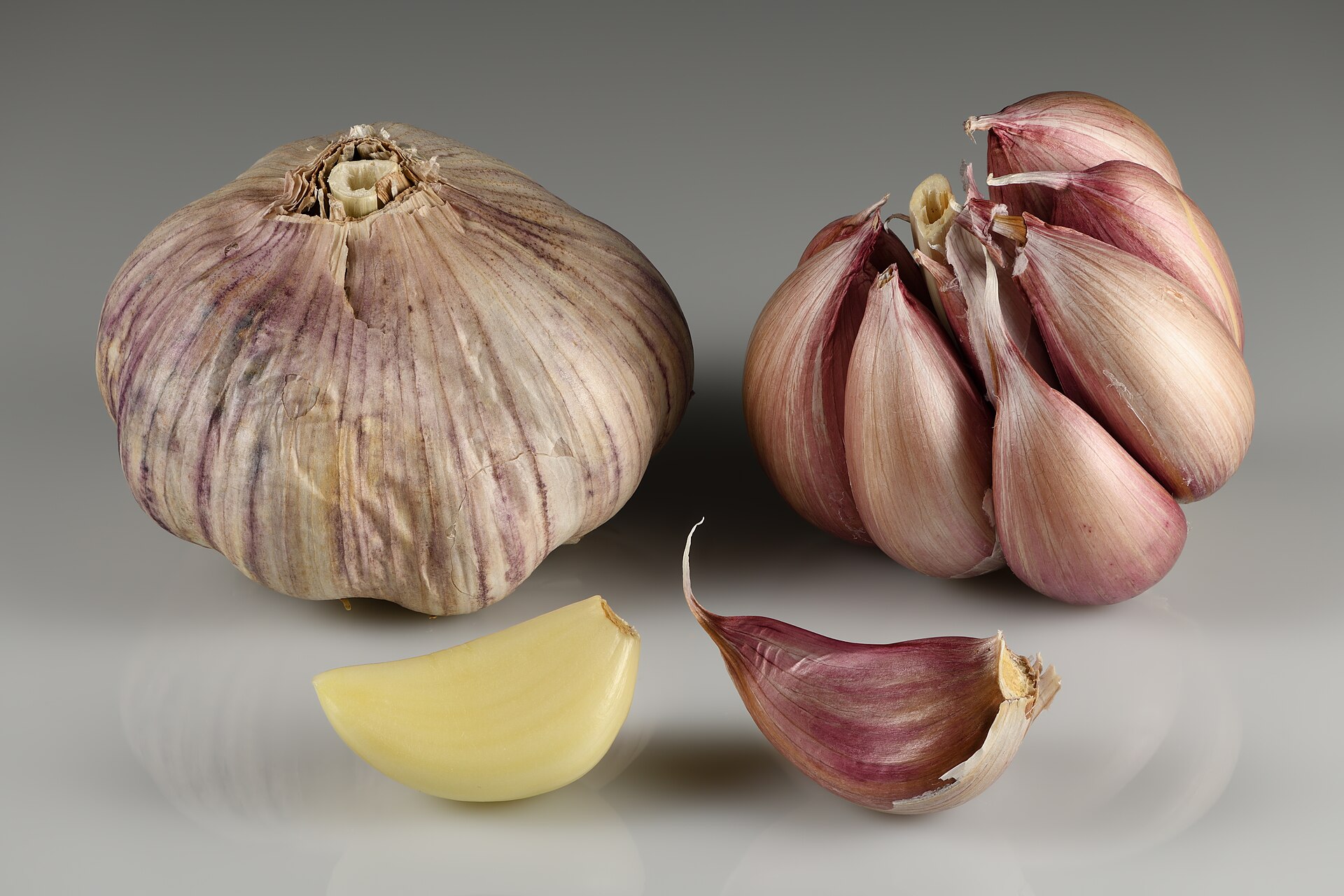
Garlic is the vegetable most often planted in November. Homes & Gardens says cloves go into well-drained soil before it freezes, with loose straw mulch added in colder areas. The Arkansas guide lists garlic among November plantings.
The University of Minnesota Extension advises planting within two weeks of the first frost, with cloves pointed side up and 6 inches apart, and covering them with a thick layer of mulch until spring. For gardeners in the North who plant late, the extension says a thick straw layer still makes planting possible.
In the Pacific Northwest, Oregon State University Extension calls September through November the best time to plant garlic and sets cloves root side down, 2 inches deep. It spaces cloves 2 to 4 inches apart in rows 10 to 14 inches apart. A related guide on this site covers planting garlic under straw before the ground freezes.
Bare-Root Trees, Shrubs and Roses
Woody plants are the other November job. Homes & Gardens says bare-root trees and shrubs suit fruit trees, roses, hedging and ornamental shrubs, and should go in when the ground is unfrozen and well drained. It advises setting each plant at the depth it grew before and not enriching the planting hole with compost, because roots need to spread into the surrounding soil.
The University of Arkansas Extension calls November ideal for establishing tree roots. Its guide says to plant new trees, avoiding spots under power lines or too close to buildings, and to transplant existing trees and shrubs on a day that is not too cold. It suggests digging the new hole before lifting the plant and keeping roots exposed to the air only briefly.
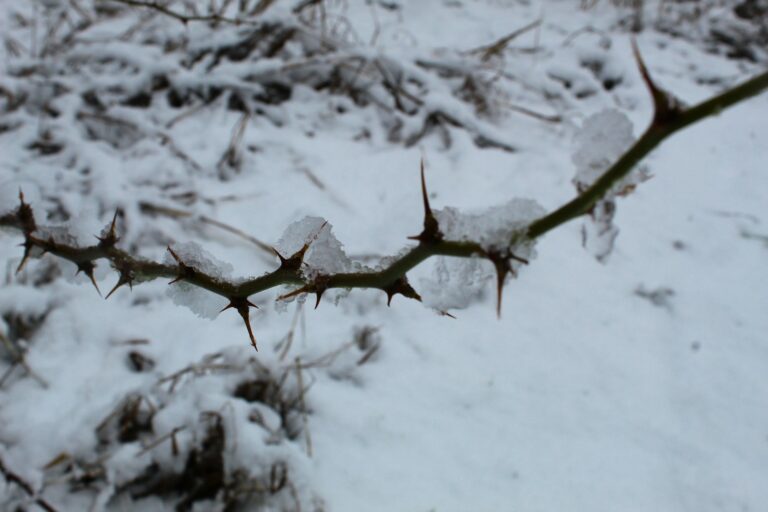
For roses already in the ground, Arkansas says not to prune them in November. It advises mulching them well and building the mulch up past the graft. Colder regions go further, as covered in this site’s guide to mounding soil over rose canes.
Pansies, Violas and Other Winter Annuals
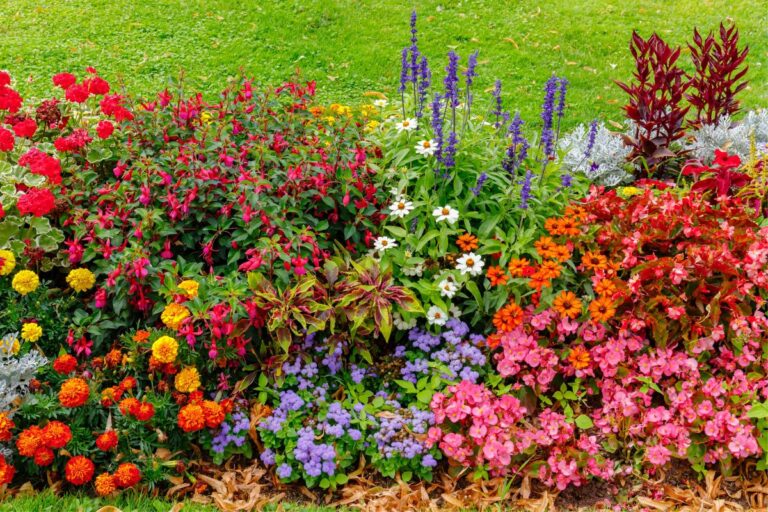
Annuals are the quickest way to put color in a bed this month. The Arkansas guide lists pansies, violas, dianthus, flowering cabbage, flowering kale and wildflower seeds as winter annuals to plant in November.
Hardy perennials also get a mention from Homes & Gardens. Coneflowers, black-eyed Susans and many salvias are examples, and the article says to check the plant tag’s hardiness range and avoid tender perennials just before a hard freeze. In the Arkansas guide, existing perennials can be divided or transplanted as they begin to decline.
Cool-Season Vegetables, Hardy Greens and Strawberries
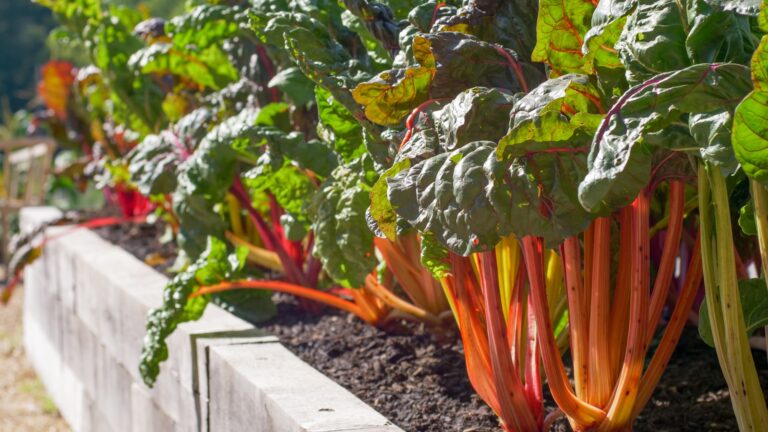
The Arkansas guide names strawberries, garlic, collards, turnips and salad greens as cool-season vegetables for November planting. Homes & Gardens says that in milder regions gardeners can plant garlic, hardy leafy greens or fava beans for an early start next year.
Fava beans suit only milder or sheltered gardens, the article says, because seeds may rot in cold, waterlogged soil. Lettuce or arugula can be sown in a greenhouse, cold frame or bright indoor spot once the outdoor season ends.
Zone is only a guide, and the same extension pages repeat a short list of conditions. Soil should be workable and well drained, plants should be hardy for the site, and roots or bulbs need time to settle before a hard freeze. Where those conditions are met in Zones 7 to 10, a November planting has the whole winter to establish.
Get stories like this by email. Sign up for The Parent Diaries Letter.
This article was produced with AI assistance and edited for accuracy against the sources linked above.
Image: Ivar Leidus – CC BY-SA 4.0/Wikimedia Commons