Franklin, Tennessee Can No Longer Pull Water From the Harpeth River, and It and La Vergne Are Asking Residents to Water Lawns Less
Franklin, Tennessee has stopped drawing water from the Harpeth River because the river has fallen below the level the state permits for withdrawals. Anyone trying to canoe the Harpeth right now would end up dragging the boat, city Water Management Director Michelle Hatcher told WKRN News 2, which reported on Oct. 29 that Franklin and nearby La Vergne are both asking residents to cut back on watering their lawns.
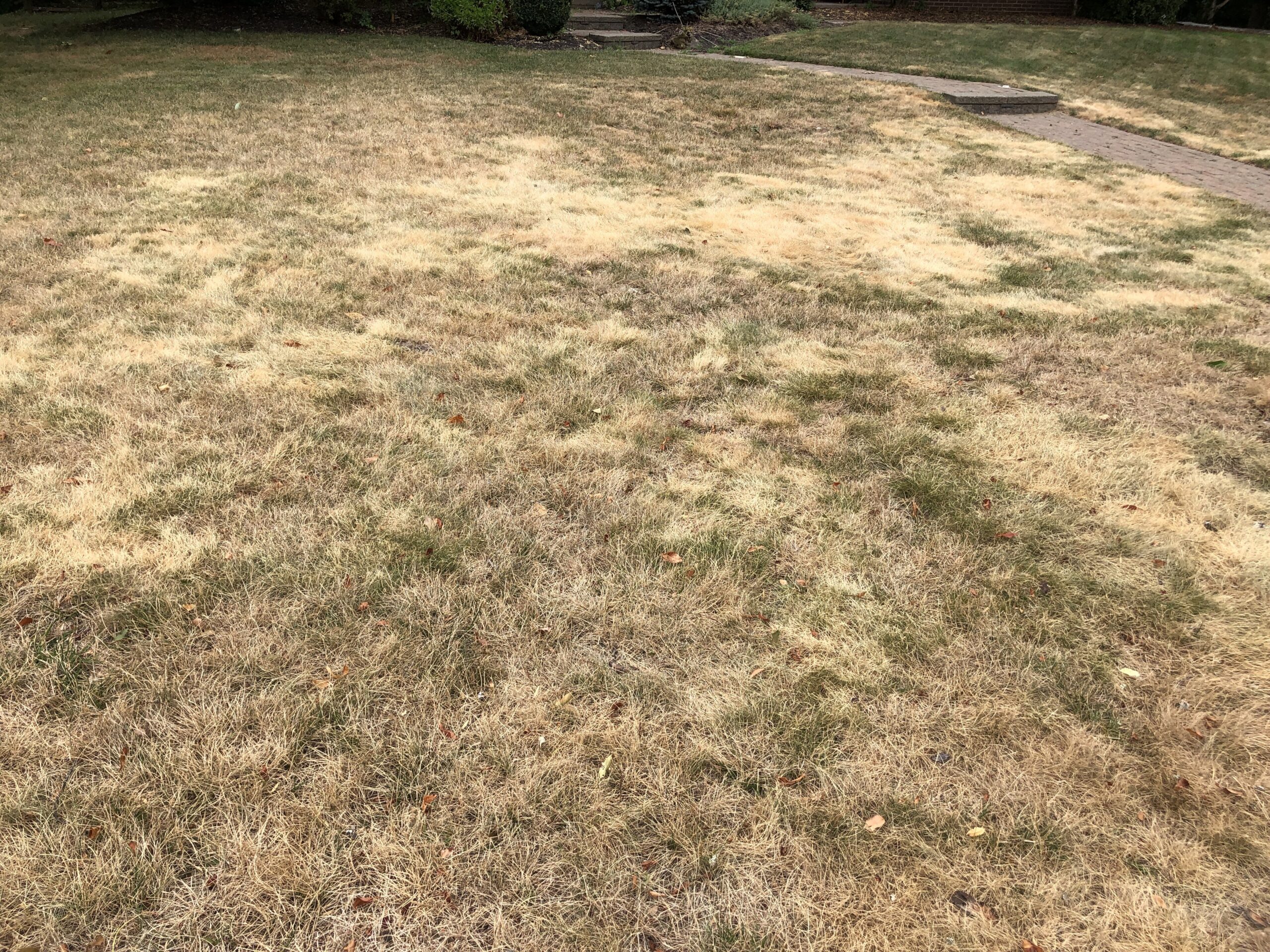
Neither city has imposed mandatory restrictions. For homeowners in Williamson and Rutherford counties, the request lands at the end of a fall in which lawns, shrubs and young trees have gone weeks without meaningful rain.
A river too low to use
According to WKRN, Franklin officials said the area had gone more than two months without significant rainfall. The Harpeth dropped below the level at which the city is allowed to pull water, so the treatment plant is now running on stored water and on water the city buys.
The limit comes from Franklin’s state water withdrawal permit. When the Tennessee Department of Environment and Conservation issued an earlier version of that permit in 2015, the joint announcement from TDEC, the city and the Harpeth River Watershed Association said withdrawals could not exceed 20 percent of the river’s flow and could not reduce the flow below 10 cubic feet per second.
The broader drought explains why the river has dropped so far. The U.S. Drought Monitor summary for Oct. 27, written by Richard Tinker of NOAA’s Climate Prediction Center and Curtis Riganti of the National Drought Mitigation Center, reported broadscale deterioration across Tennessee and said extreme to exceptional drought now dominates a large part of central and western Tennessee. Over the past four months, the summary said, most of southwestern Tennessee and neighboring states have received 8 to 16 inches less rain than normal, generally less than half of what usually falls.
The official Nashville weather station shows how little rain has fallen in the area. The National Weather Service’s daily climate report for Nashville, issued early Saturday, recorded 1.24 inches of rain for October through the 30th, against a normal of 3.26 inches. For the year, the station has logged 29.12 inches, 13 inches below normal.
110 million gallons and about 30 days
Franklin’s reservoir holds 110 million gallons of river water before it is treated. Hatcher estimated in the week before WKRN’s report that it held about 30 days of water at the city’s demand at that time.
To stretch that supply, Franklin is buying water from the Harpeth Valley Utilities District. Hatcher told WKRN that buying water costs more than producing it, but she said residents should not worry about losing service. What the river needs, she said, is “a couple of good rainfalls.”
Franklin’s request is voluntary: the city wants customers to cut back on lawn watering, put off washing cars and turn off faucets when they are not in use.
La Vergne’s 10 percent goal
La Vergne, in Rutherford County, made its request earlier in the month. On Oct. 15, the city announced it had entered Phase 2 of its drought management plan, tied to a D2 “severe” drought designation, and asked residents to voluntarily cut water use with a goal of lowering peak demand by 10 percent per day.
The city’s list of non-essential uses starts with the yard. It asks residents to hold off on watering lawns, gardens, landscaped areas, trees, shrubs or other plants, along with filling swimming pools and washing driveways, patios and other paved surfaces.
La Vergne’s drought conditions status page still showed the city at D2, with voluntary water reductions in effect. Under the plan, the next stages are triggered by lake levels, treatment plant operations and storage levels, and the city has said it may move to additional stages if conditions worsen. WKRN reported that mandatory restrictions are possible if the drought deepens.
Lawns, trees and what to water first
State guidance gives homeowners a clear order of priorities. The Tennessee Emergency Management Agency advises avoiding lawn watering during a drought and watering only when needed. If a lawn must be watered, TEMA says to do it early in the morning or later in the evening, when temperatures are cooler.
The agency notes that most of the year, lawns only need about one inch of water per week. In extreme droughts, TEMA advises allowing lawns to die in favor of preserving trees and large shrubs. For the longer term, it recommends planting native or drought-tolerant grasses, ground covers, shrubs and trees.
For Franklin and La Vergne yards, that puts established trees and shrubs ahead of the grass. Homeowners who still want to water can put a bucket in the shower to catch extra water for plants, another TEMA suggestion.
TEMA also warns that if a water system moves to mandatory restrictions, residential watering of trees, shrubs, lawns or flower gardens may be limited. Neither city has reached that point.
When rain could change things
WKRN reported that showers were in the forecast for the weekend, but that officials say substantial rainfall is needed to bring the Harpeth back to normal levels. Until then, Franklin will keep running on its reservoir and purchased water, and La Vergne will keep checking conditions daily, as its Oct. 15 notice said city staff would.
La Vergne residents with questions about the drought plan can reach the city at 615-793-6295, the number listed on its drought status page. For homeowners in both cities, the sprinkler is the first place both utilities have asked them to save.
Get stories like this by email. Sign up for The Parent Diaries Letter.
This article was produced with AI assistance and edited for accuracy against the sources linked above.
Image: Famartin – CC BY-SA 4.0/Wikimedia Commons