Bird Flu Was Confirmed in a Racine County Backyard Poultry Flock, and Wisconsin Says the Birds Were Depopulated
For the second October in a row, Wisconsin’s agriculture department has confirmed bird flu in a backyard poultry flock in Racine County. The Department of Agriculture, Trade and Consumer Protection said in an Oct. 6 release that highly pathogenic avian influenza was found in the flock and that all birds on the property were depopulated and will not enter the food system.
The state did not say where in the county the birds were kept or how many there were. A year earlier, DATCP had announced a nearly identical case in the same county, and the steps it is asking backyard keepers to take this fall have barely changed.
A repeat in Racine County
The full text of the 2026 DATCP release describes the virus as highly contagious and often fatal to domestic poultry. It spreads through contact with infected birds, wild bird droppings, equipment and clothing, the department said, and it has circulated in wild and domestic birds in North America since December 2021.
The earlier Racine County case was announced on Oct. 13, 2025. TMJ4 reported at the time that the flock was in Franksville, that DATCP confirmed the virus on Oct. 9, 2025, and that 17 birds were affected: nine died before testing and eight were depopulated. DATCP’s 2025 announcement carried the same request it repeated this year, asking poultry owners to keep birds indoors when possible.
Last year, DATCP tied that request to the fall migration of wild waterfowl. The University of Wisconsin’s livestock extension team notes that Wisconsin lies in the Mississippi Flyway, which is why it asks residents to report dead wild birds.
Eight Wisconsin flocks so far in 2026
The Racine County flock is one of eight Wisconsin poultry flocks, commercial and backyard, hit by bird flu this year. Spectrum News 1 tallied the cases after two more commercial farms in Barron County were confirmed on Oct. 19 and Oct. 22, holding 41,417 and 13,463 birds. Barron County now has three cases this year, Jefferson County has two and Walworth County one, all commercial. Racine and Dane counties each had one backyard case.
Barron County’s first case this year came on Sept. 14, at a farm with 79,088 birds. Both of the newer Barron County farms were depopulated and placed under quarantine, Spectrum reported. The UW extension page adds that neighboring states have kept reporting confirmed cases, and that the virus was found in a sandhill crane in Dane County in 2025.
The commercial numbers dwarf any backyard coop, but the department’s message to both groups is the same. It urges handwashing, disinfecting equipment, restricting who can get near the animals and keeping new birds apart from the flock for at least 30 days.
A 10-kilometer zone, but no movement ban
When the virus turns up in a backyard flock, DATCP evaluates the risk and may set up a 10-kilometer surveillance zone around it, according to the release. That zone does not place movement restrictions on surrounding poultry premises. Owners can check whether their address falls inside an active control area or surveillance zone with the department’s online mapping tool.
The release also reminds keepers of a rule that applies to the smallest flocks, too: Wisconsin law requires every livestock owner to register the location where the animals are kept, and poultry counts as livestock under that law. Registration is how state veterinarians find and contact nearby owners when a case is confirmed.
DATCP’s release also notes that the virus has affected mammals since 2021, and that the department is working with the U.S. Department of Agriculture on testing, biosecurity and resources for producers, including a separate page on the virus in dairy cattle. For people who keep a few hens near a vegetable garden, the more useful page is the department’s HPAI in poultry page, which carries current updates on cases and control areas.
For the backyard flock itself, the federal side of a case is set out in a USDA flock management agreement for small premises. It covers flocks of 500 birds or fewer, bases any indemnity payment on fair market value from the USDA table, and bars the owner from bringing domestic poultry back onto the property for 120 days after signing. State quarantine orders can add requirements on top of that.
Signs that mean a call to the state
DATCP asks owners to report any rise in illness or deaths in domestic birds through its Animal Disease Reporting webpage. The extension team’s page lists phone numbers as well. Owners who see sick or dying poultry in large numbers can call DATCP at (608) 224-4872, or 1-800-943-0003 and choose option 2. Dead wild birds go to the Wisconsin Department of Natural Resources at (608) 267-0866 or through its online sick or dead wildlife form.
The extension page also suggests finding a poultry veterinarian before one is needed. It says the CDC currently rates the public health risk from the virus as low.
For a Racine County gardener with a handful of hens, the practical list this fall is short. Keep the birds in a covered run or coop, keep wild birds off the feed and water, wash hands and disinfect tools after every coop visit, and make sure the flock’s location is registered with the state. Arkansas gave much the same advice this week after confirming its first case of the season in a Baxter County backyard flock.
Get stories like this by email. Sign up for The Parent Diaries Letter.
This article was produced with AI assistance and edited for accuracy against the sources linked above.
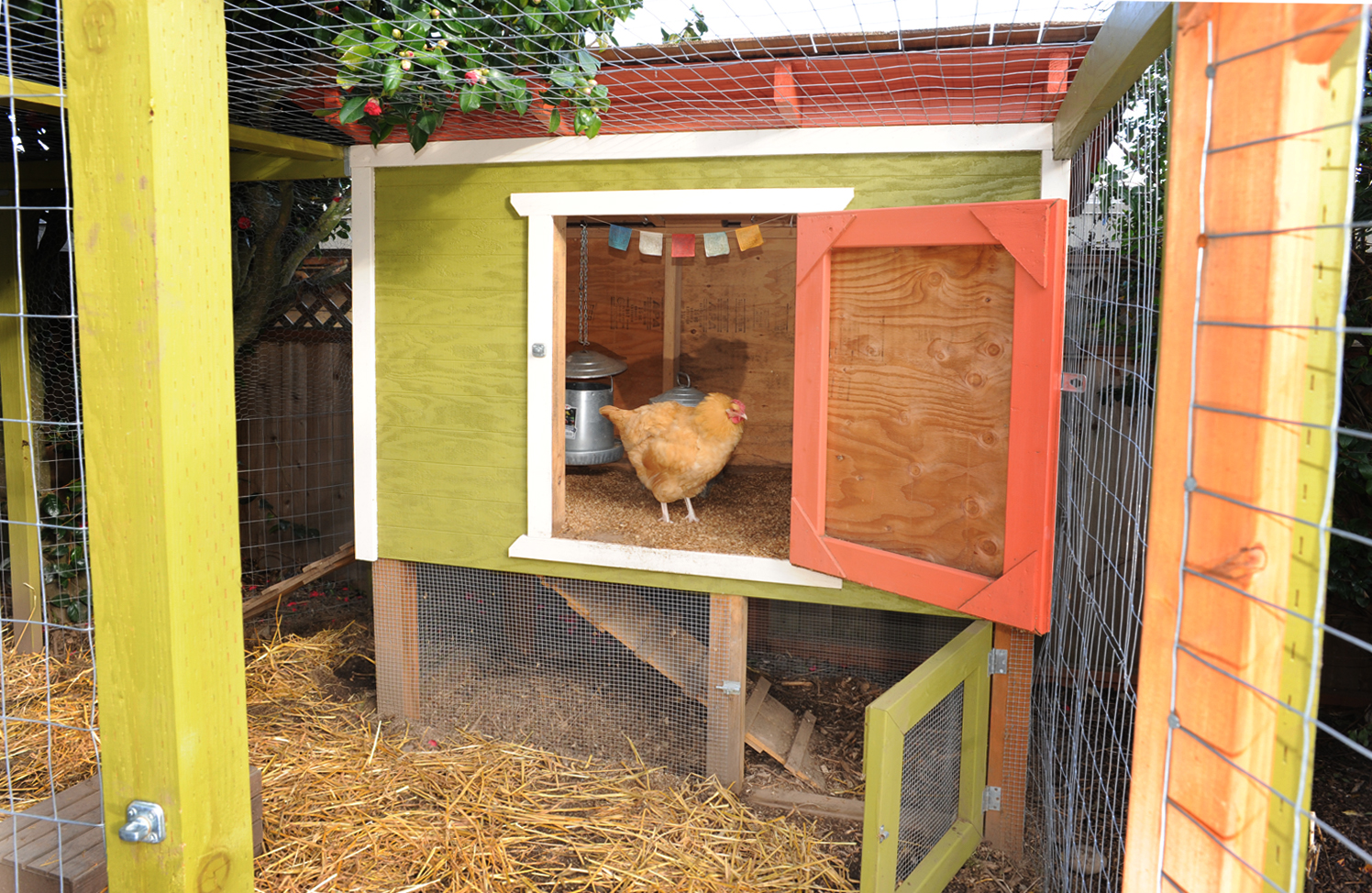
Image: furtwangl from West Seattle – CC BY 2.0/Wikimedia Commons