Magna Says It Won’t Replace the Shade Tree It Removed From Sabrina Weber’s Front Yard Over Her Objections
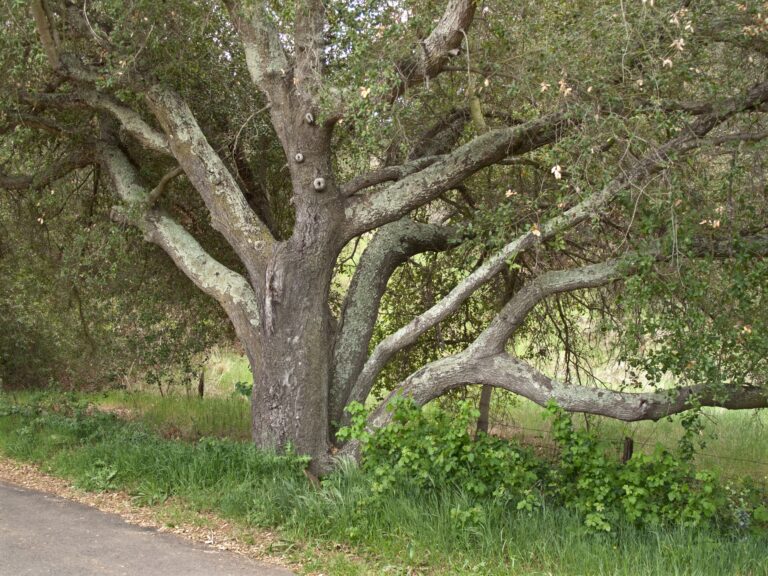
Birthday piñatas hung from it, hummingbirds came to it, and Sabrina Weber’s family gathered in its shade. This spring, the big tree in front of her Magna, Utah, home was cut down as part of a city tree-removal project she objected to, and the agency that ran the work now says it does not plan to plant a replacement. “The City does not currently plan to replace the trees that were removed as part of this project,” Maridene Alexander, communications director for the Greater Salt Lake Municipal Services District, told KUTV in a report published Oct. 1.
Weber said she was notified on April 26 that the tree would be removed, and it was gone three days later. She disputes that it was unhealthy.
Three days from notice to removal
The Municipal Services District, which provides services to Magna, told KUTV that the city funded the project and that a certified arborist report recommended taking the tree down. According to the district, the tree had grown into the public right of way, was blocking a streetlight and was lifting the sidewalk. The arborist also noted dead branches and a possible rot pocket, and the district rated the tree high risk.
Weber sees it differently. She told the station the city had not replaced the tree as she had asked, and that the crews “did a horrible job.”
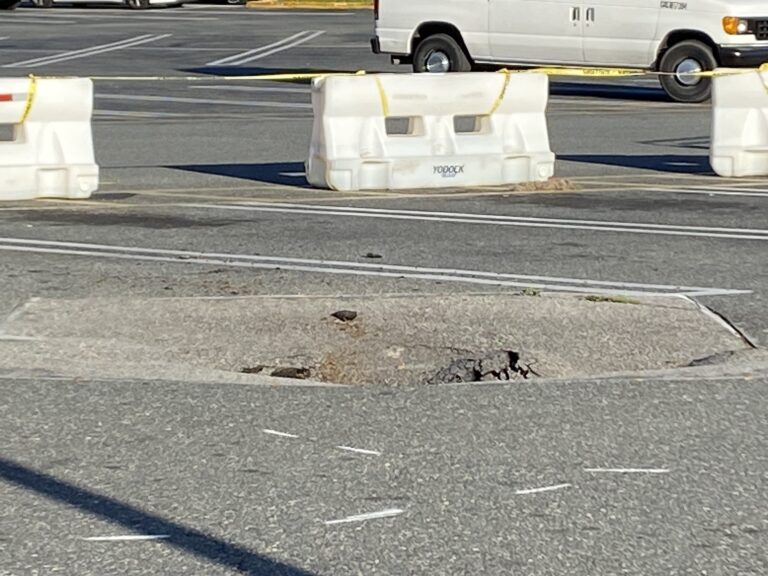
Her tree was one of many. The arborist assessed more than 80 trees in older parts of Magna, recommending some for pruning and others for removal, KUTV reported. As of early October, the sidewalk repairs had not been done; the district said it had received bids from a concrete contractor and expected the work to be finished later this fall.
What Magna’s council was told in May
The scale of the project shows up in the city’s own records. At a May 26 Magna City Council meeting, Brian Hartsell of the Municipal Services District gave an update on the spring 2026 tree-removal project, according to the meeting minutes and presentation posted on Utah’s Public Notice Website. About 40 trees had been removed from public rights of way and 23 from private property, with about a dozen more trimmed on public land and nine on private land. The city said it got written permission from owners or used emergency abatement for the private-property trees.
The presentation said $120,000 was budgeted to address trees flagged by arborists contracted through Roth Landscape Services. It framed the work as preventive: “The City proactively removed dangerous and potentially dangerous trees before they harmed persons or property.” The removals were concentrated near Main Street, 9200 West, 8400 West and 3100 South.
Mayor Sudbury raised concerns at that meeting about liability and community dissatisfaction over removing trees before sidewalks were repaired, the minutes say. The council had $150,000 budgeted for sidewalk repair in fiscal 2027 and was told more work would be needed beyond that amount. Council members asked staff to look at every option for early repair of the worst stretches, including grinding, signage and borrowing contractors already working for the district. Neither the minutes nor the presentation mention replanting.
Why a front-yard tree is hard to replace
A front-yard shade tree does practical work for a house. Utah State University Extension forestry specialist Michael Kuhns writes that deciduous trees on the east and west sides of a house shade walls and windows from 7 to 11 a.m. and 3 to 7 p.m. in June through August, cutting summer cooling needs. Trees 25 feet or taller do that best when planted 10 to 20 feet from the house.
A lifted sidewalk was one of the reasons the district gave for taking Weber’s tree. A USU Extension fact sheet on tree and sidewalk conflicts describes a Logan pilot that replaced cracked concrete next to mature trees with flexible, interlocking recycled-plastic panels that can be lifted and reset as roots grow. Removing a tree that has buckled a sidewalk cost Logan $1,000 to $3,000, the fact sheet says. It also notes that mature trees are associated with property values 2% to 15% higher, that a healthy urban tree absorbs about 330 pounds of carbon dioxide a year, and that urban forests can cut annual stormwater runoff by an estimated 2% to 7%. In the Logan project, crews cut roots only where they extended into the panel area and kept heavy equipment off the soil around the trees to avoid compaction.
Choosing what goes back in a narrow strip is its own problem. Kuhns has written that many experts recommend a planting strip at least 8 feet wide for a large street tree, and that small trees are not automatically a safer choice, since their low, spreading crowns can hang over sidewalks and streets.
Magna is not the only place where residents have lost big trees to city crews this year. In Nebraska, Gretna cut down a 100-foot oak outside Bob Tomanek’s home of 40 years and billed him $3,500 under city code, and in Tennessee, East Ridge mowed Chester Perry’s native plant garden and his oak after his appeal went to a spam folder.
For now, the spot where Weber’s family gathered has no tree, and the city that paid for the removal has said it does not plan to plant one.
Get stories like this by email. Sign up for The Parent Diaries Letter.
This article was produced with AI assistance and edited for accuracy against the sources linked above.
Image: Nicolas Henderson – CC BY 2.0/Wikimedia Commons