Gardener Builds a Raised Vegetable Bed After Years of Growing Peppers Successfully, Then Watches His New Plants Wilt Within Five Days and Discovers He May Have Been Loving Them a Little Too Much
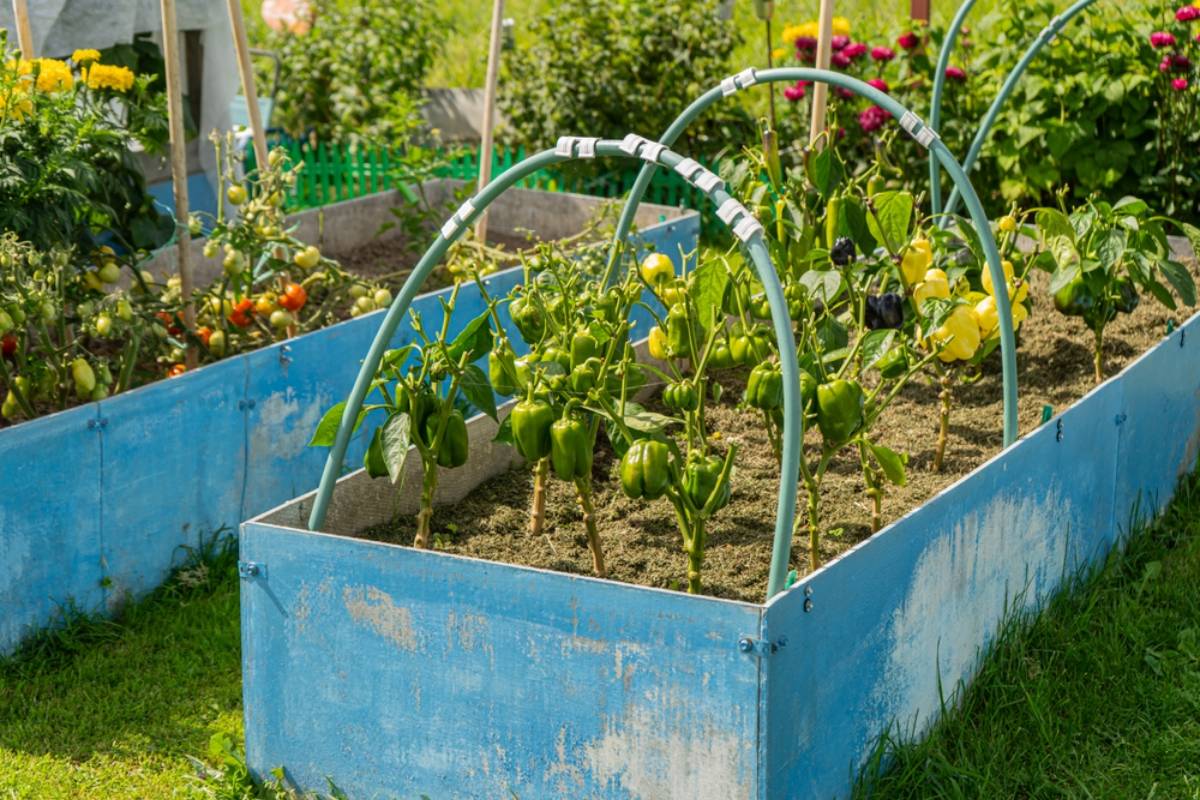
A person shared his story after years of successfully growing peppers in a simple plastic bin, a setup that had given him plenty of reasons to feel confident. This time, he decided to take things up a notch by building a raised garden bed and filling it with a variety of vegetables. The project was supposed to be an exciting new chapter in his gardening journey, with more space for plants and the promise of a bigger harvest. Unfortunately, his dream vegetable garden began falling apart almost as soon as it got started.
The new bed represented more than just a place to grow vegetables because it was an opportunity to expand on something he already knew how to do. After enjoying success with peppers, it seemed reasonable to believe that growing more plants would simply mean a little extra work. He planted his vegetables, gave them a generous drink of water, and looked forward to watching them settle into their new home. Instead, he soon found himself wondering whether his ambitious garden experiment had gone terribly wrong.
The First Five Days Turned Excitement Into Panic
Just five days after planting, the gardener noticed that his new bed looked dramatically worse than he had expected. Plants that should have been settling in appeared wilted, unhappy, or close to giving up entirely. The sight was especially discouraging because the garden was still practically brand new, leaving him little time to enjoy the excitement of his hard work. What had started as a promising project was quickly becoming a backyard mystery.
The gardener explained that he had planted several types of vegetables, including peppers, broccoli, cucumbers, and cilantro. Some plants looked worse than others, making it difficult to determine whether the entire bed had a problem or whether certain vegetables were simply struggling more than their neighbors. He could hardly believe how quickly things had deteriorated. After putting so much effort into creating the bed, watching the plants droop within days felt like a particularly cruel gardening prank.
He Was Watering Twice a Day, Hoping to Bring the Plants Back to Life
Once the plants began looking unhealthy, the gardener tried to keep up with their needs by watering them twice daily. His reasoning was understandable because wilted leaves often make people think their plants are thirsty, especially when they have recently been moved into a new bed. Unfortunately, the soil was already becoming heavily saturated, suggesting that more water might be making the situation worse. His well-intentioned routine may have turned into one of the biggest clues in the mystery.
Watering is one of those gardening tasks that seems almost impossible to overcomplicate, yet it can make a surprising difference to plant health. Too little moisture can leave roots struggling, but too much water can deprive them of oxygen and contribute to root problems. The tricky part is that overwatered plants can also wilt, making them look thirsty when the opposite is true. In this garden, the gardener had to consider whether his efforts to rescue the plants were accidentally adding to their troubles.
The Garden Was Getting More Than Nine Hours of Direct Sunlight
Another detail made the situation even more confusing: the raised bed received more than nine hours of direct sunlight each day. For someone growing vegetables, that might sound like an ideal location because many popular crops thrive with plenty of sunshine. However, sunlight requirements can be more complicated for young plants that have recently been transplanted from a protected environment. The garden might have been getting plenty of sunshine while its plants were still struggling to handle the exposure.
Strong sunlight can increase water loss and intensify stress in plants that have not adjusted to outdoor conditions. A mature pepper plant might handle a sunny location beautifully, while a recently transplanted seedling could struggle under the same conditions. That difference can be particularly frustrating for beginners because the location itself may appear perfect. The gardener now had to consider whether his sun-drenched bed was helping his vegetables grow or overwhelming them before they had a chance to establish themselves.
A Gardening App Delivered a Diagnosis That Only Added to the Confusion
Desperate for answers, the gardener turned to an app that assessed the plants and offered possible explanations for their poor condition. Its suggestions included overwatering, insufficient sunlight, and disease, which seemed contradictory given how much sunshine the bed received. Rather than providing a clear solution, the results left him questioning which problem he should tackle first. When several possible explanations point in different directions, even a simple vegetable garden can begin to feel like a complicated science experiment.
The gardener was understandably skeptical about whether the app had correctly identified what was happening. A photograph can reveal visible symptoms, but it cannot always show the condition of the roots, the moisture level deep in the soil, or the recent temperatures. Different problems can also produce remarkably similar symptoms, particularly when plants are young and already stressed. The most useful next step was therefore to look at the growing conditions and recent care routine rather than blindly following every diagnosis.
The First Response Pointed Toward Transplant Shock
A response from a person suggested that transplant shock could explain why the vegetables had deteriorated so quickly. This happens when plants struggle to adjust after being moved from one growing environment to another, particularly if their roots are disturbed or their new surroundings differ significantly from what they are used to. The explanation offered a little hope because stressed plants are not necessarily dead plants. Instead of immediately replacing everything, the gardener could give the surviving plants some time to recover.
Transplant shock can be especially noticeable when seedlings move from indoor growing conditions into bright outdoor sunlight. Changes in temperature, wind, moisture, and light can place several demands on a plant at once. Some vegetables recover relatively quickly, while others may lose leaves or remain stunted for a while. The important distinction is whether the plants are gradually recovering or continuing to deteriorate despite improved care.
The Weather Revealed Another Piece of the Puzzle
The gardener explained that nighttime temperatures had fluctuated between the upper 40s and the low 70s Fahrenheit. Those swings provided another possible explanation for the sudden decline, especially for warm-season crops such as cucumbers. While daytime sunshine might have seemed ideal, chilly nights could have left sensitive plants struggling to adjust. The raised bed was not necessarily suffering from one dramatic mistake, but from several environmental challenges arriving together.
Cucumbers are particularly sensitive to cold conditions, and planting them before nighttime temperatures become consistently warm can slow growth or cause significant stress. Peppers also prefer warm conditions and can struggle when temperatures fall too low. Broccoli and cilantro, on the other hand, generally tolerate cooler weather better, although they can still suffer from transplant stress and unsuitable growing conditions. Because different vegetables respond differently to temperature changes, the mix of plants in the bed made the situation more complicated than it first appeared.
The Cucumbers and Other Vegetables Were Not Failing for the Same Reasons
The gardener reported that the broccoli, cucumbers, and cilantro had wilted badly, with some plants appearing almost impossible to save. The peppers, however, still had some green growth and were showing comparatively mild wilting. That difference suggested that the entire bed did not necessarily have one identical problem affecting every plant. Instead, individual crops could have been responding differently to the same combination of wet soil, temperature fluctuations, and transplant stress.
This is where understanding individual plant needs becomes more valuable than treating every vegetable the same way. Cucumbers generally prefer warm growing conditions, while broccoli and cilantro are better suited to cooler weather. Peppers need warmth too, but their survival depends on their growing stage, variety, and the severity of the stress they experience. A gardener who notices these differences can make better decisions about which plants to protect, which to replace, and which simply need more time.
Experienced Gardeners Warned That Twice-Daily Watering Could Be Too Much
Several responses questioned the gardener’s decision to water the bed twice every day. Although frequent watering can be necessary in some situations, particularly for seedlings in small containers or during extreme heat, it is not automatically the right approach for an established raised bed. Soil that stays saturated for too long can deprive roots of oxygen and make it harder for plants to function normally. The gardener’s generous watering routine may therefore have been working against his original goal.
A better approach is to check the soil before watering rather than follow a rigid schedule. The surface can look dry while the soil beneath remains moist, so checking a little below the surface provides a more useful indication of whether water is needed. Drainage, soil composition, bed depth, and weather all affect how frequently a garden requires watering. The lesson was not that vegetables should be left thirsty, but that watering decisions should respond to actual conditions instead of the gardener’s understandable desire to help.
The Raised Bed’s Design May Have Made Moisture Management More Difficult
The structure of the new bed was another detail worth considering. Not all raised beds behave the same way, and a relatively shallow bed can retain moisture differently from a taller one filled with a well-draining growing mix. Depending on its construction and the soil beneath it, a raised bed may behave more like a mound of garden soil than a container with excellent drainage. That distinction matters when a gardener is trying to determine whether the roots are receiving enough air.
A growing mix that drains poorly can remain wet long after watering, especially if the weather is cool and evaporation is limited. Conversely, a tall bed with a loose, well-draining mix may dry out much faster and need more frequent attention. Simply labeling a structure a raised bed does not tell a gardener how quickly its soil will lose moisture. Before adding more water or making major changes, it makes sense to assess the soil texture, drainage, and moisture several inches below the surface.
Some Gardeners Suggested Giving the Young Plants Temporary Shade
Another response suggested protecting the struggling vegetables from intense sunlight while they recovered. This may seem surprising when the garden already receives plenty of sun, but newly transplanted seedlings sometimes benefit from a short period of reduced exposure. Temporary shade can lower heat stress and reduce the amount of water lost through leaves while the roots adjust to their new surroundings. Rather than abandoning the sunny location altogether, the gardener could give the plants a gentler transition.
Shade cloth can be useful for this purpose, provided it is installed securely and allows enough airflow around the plants. A temporary covering during the hottest part of the day may also help, depending on local weather conditions. The goal is not to keep vegetables permanently shaded when they need sunlight for healthy growth. Instead, it is to reduce unnecessary stress until the plants are better established and capable of handling their normal growing conditions.
The Discussion Also Highlighted the Importance of Hardening Off Seedlings
One response raised an important question about whether the plants had been started indoors before being moved outside. Seedlings grown indoors are accustomed to relatively stable conditions, and an abrupt move into direct sunlight, wind, and fluctuating temperatures can shock them. The gradual adjustment process is known as hardening off, and it can make a substantial difference to transplant survival. If the gardener had skipped this step, it might help explain why his new bed looked so unhappy so quickly.
Hardening off generally involves exposing young plants to outdoor conditions for increasing periods over roughly a week, while initially protecting them from harsh sunlight and wind. The process allows their leaves and other tissues to adjust before they face an entire day outdoors. Plants can still experience some transplant stress after this preparation, but the transition is usually less abrupt. For gardeners eager to get their vegetables into the ground, this extra week may feel like a delay, yet it can prevent a much more disappointing start.
The Advice Was to Save the Survivors Instead of Starting Over Immediately
Despite the alarming appearance of the bed, not every plant was necessarily beyond recovery. The peppers still showed green growth, and some responses encouraged the gardener to give them time rather than assume the entire project had failed. Wilted leaves and a rough appearance can be signs of serious damage, but they do not always mean a plant is dead. A little patience could reveal that at least part of the garden was capable of bouncing back.
The most sensible strategy was to focus on the plants that still showed signs of life while removing only those that were clearly dead or irreparably damaged. Reducing unnecessary watering, checking soil moisture, and protecting stressed seedlings from harsh conditions could give surviving plants a better chance. The gardener also needed to avoid making several drastic changes at once, since that would make it harder to identify what was actually helping. Sometimes the best gardening decision is to stop intervening long enough to let a plant recover.
The Real Twist Was That More Care Might Have Made the Garden Worse
The gardener’s story carried a familiar irony: he had tried to give his vegetables everything they could possibly need, yet the plants were struggling more than expected. Frequent watering, abundant sunlight, and constant attempts to diagnose the problem all came from a desire to help. However, young plants can be sensitive to abrupt changes, and adding more water or making repeated adjustments may increase their stress. The garden’s downfall may have been less about neglect and more about well-intentioned care that needed a little fine-tuning.
That is what makes the situation relatable to so many home gardeners. A struggling plant can make even an experienced grower feel compelled to do something immediately, especially when the damage appears overnight. Yet plants do not always need more attention; sometimes they need the right conditions, fewer disturbances, and time to establish their roots. The gardener’s experience offered a useful reminder that successful gardening is not simply about doing more, but about understanding what the plants are telling you.
A Disappointing First Week Could Still Become a Valuable Gardening Lesson
By the end of the discussion, there were several plausible explanations for the damaged bed, including transplant shock, excessive watering, temperature fluctuations, and intense sunlight during the plants’ adjustment period. There was no confirmed single diagnosis that explained every struggling vegetable. Still, the advice gave the gardener a practical starting point: check the soil before watering, protect vulnerable plants from harsh conditions, and pay attention to the temperature needs of each crop. Those steps offered a more measured response than immediately declaring the entire garden a lost cause.
Even if some vegetables could not be saved, the experience did not have to define the whole growing season. The gardener already knew how to grow peppers successfully, and that earlier experience was still valuable, even if the larger project introduced new challenges. Next time, he could harden off seedlings gradually, choose planting dates according to nighttime temperatures, and establish a watering routine based on soil moisture. His raised bed may have delivered a frustrating surprise in its first five days, but it also provided something every gardener eventually needs: a lesson that makes the next harvest more likely to succeed.