Gardener Says a Neighbor Keeps Insisting Her Tomato Cages Are an “Eyesore” Visible From the Street, Now She’s Painting Them Bright Colors Out of Spite
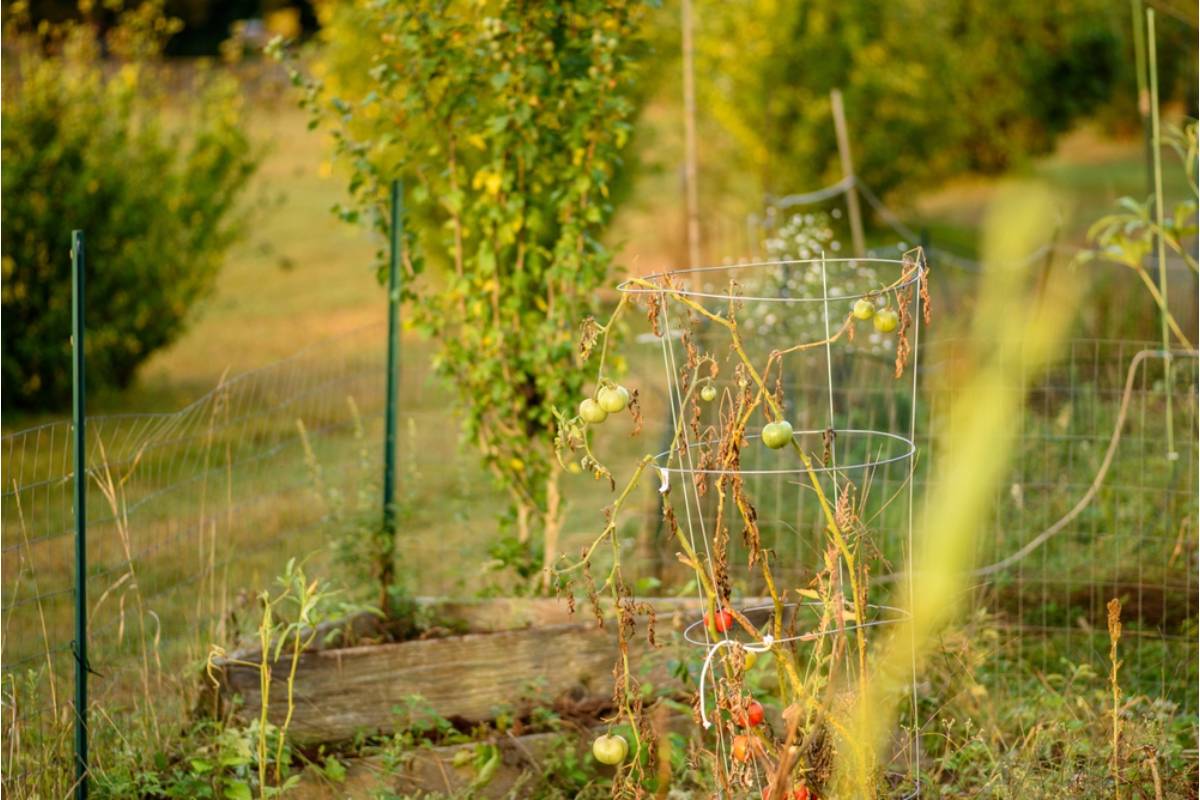
The garden had always been her quiet project in a suburban neighborhood outside Denver, where most yards followed strict HOA rules and muted color palettes. Her backyard tomatoes were not just plants, they were a seasonal routine she took pride in every year. The issue began when a new neighbor moved in across the street and started paying unusual attention to what could be seen from the road. At first it was small comments, nothing formal, just remarks about “visual clutter.” Then it turned into a repeated complaint about her tomato cages being visible from the street.
First Comment About the Garden From Across the Street
It started one afternoon when she was watering her plants and the neighbor waved her over from his driveway. He pointed toward her garden and said the metal tomato cages were distracting from the neighborhood look. She thought he was joking at first and laughed it off. But his expression stayed serious, almost rehearsed, like he had already thought this through. He ended the conversation by saying it might become a “community issue” if it continued.
A Second Conversation That Felt Less Friendly
A few days later, he brought it up again, this time with more emphasis. He said people driving by had apparently noticed the cages and commented to him about it. She asked which people, but he avoided giving names. Instead, he suggested she consider replacing them with something less visible. The conversation ended quickly, but the tone made it clear this was not going away.
HOA Letter Arrives Without Warning
Not long after, she received a notice from the homeowners association mentioning “visible structural garden supports inconsistent with neighborhood standards.” There were no photos, just a vague description that clearly pointed to her tomato cages. She immediately suspected the neighbor had escalated things. When she called the HOA office, they confirmed a complaint had been filed but would not reveal the source. That detail only made the situation feel more personal.
Decision to Change the Garden on Her Own Terms
Instead of removing the cages, she decided to respond in her own way. She went to a local hardware store and bought outdoor paint in bold, unexpected colors. The idea was not subtle, and she knew it. She spent an entire afternoon coating each metal cage in bright red, blue, and yellow. When she stepped back, the garden looked more like an art installation than a vegetable patch.
Neighbor Reaction After the Repainted Cages Appear
The neighbor noticed immediately and crossed the street that same evening. He stood at the edge of her yard looking visibly annoyed. He said the colors made the garden even more noticeable and that it was making things worse. She replied calmly that the cages were still the same size and in the same place. The conversation ended with him walking away without another word.
More Complaints Start Circulating in the Neighborhood
Within days, she heard through another neighbor that additional comments had been made to the HOA. This time, the complaint focused on “visual disruption caused by bright garden structures.” Some neighbors did not care either way, but a few began taking sides. A group chat for the street quickly filled with opinions about garden aesthetics and personal freedom. The situation was no longer just between two houses.
HOA Requests a Formal Meeting
The HOA board eventually called for a meeting to address the ongoing issue. She attended expecting a simple clarification, but it turned into a longer discussion about what counted as acceptable backyard visibility. The neighbor spoke first, arguing that street facing views should remain uniform. She responded that gardens naturally change appearance through the seasons and should not be restricted to one color standard. The board members mostly listened without taking immediate action.
Garden Becomes More Colorful With Purpose
After the meeting, she expanded the paint idea instead of backing down. She added patterns to the cages, including stripes and alternating colors that stood out even more. The tomatoes grew through the bright frames, creating a mix of green vines and vivid metal. Passersby started slowing down when driving past her house. What was meant as criticism had turned into something people actually noticed in a positive way.
Neighbor Attempts a Different Approach
The neighbor shifted his strategy and began documenting photos of the garden from the street. He claimed the colors were “visually aggressive” and still not in line with community standards. He even suggested bringing in outside mediation. She found the effort exhausting but also oddly determined. The tension between them became a daily presence rather than an occasional disagreement.
Other Neighbors Begin Taking Sides
Some neighbors quietly supported her, saying gardens should not be treated like decorative compliance displays. Others agreed with the neighbor that consistency mattered for property presentation. A few simply avoided the conversation altogether. The group chat became less about updates and more about arguments over taste and control. The neighborhood started to feel divided over something that began with tomato cages.
HOA Representative Visits the Property
One afternoon, an HOA representative visited to observe the situation firsthand. He walked along the street taking notes and occasionally pausing to look at the garden. After a long inspection, he admitted there was no clear rule specifically about garden cage color. He suggested both parties might need to find a practical compromise rather than a strict ruling. His neutrality frustrated both sides equally.
An Unexpected Detail From the Neighbor’s Past
During a later conversation with another resident, she learned something unexpected. The neighbor had previously lived in a neighborhood with strict landscaping enforcement where he had been fined multiple times for exterior decorations. That history seemed to explain his sensitivity to visual consistency. It did not excuse his behavior, but it added context she had not considered before. The situation felt less random and more personal on his side too.
Quiet Compromise That Finally Reduces Tension
After weeks of back and forth, the HOA suggested a simple boundary adjustment approach instead of appearance enforcement. As long as the structures stayed within the yard and did not block sight lines, they would not intervene further. The neighbor did not fully agree but stopped filing complaints. She kept the colorful cages, and the tomatoes continued growing without interference. The street eventually settled back into routine, though everyone now looked at the garden a little differently than before.