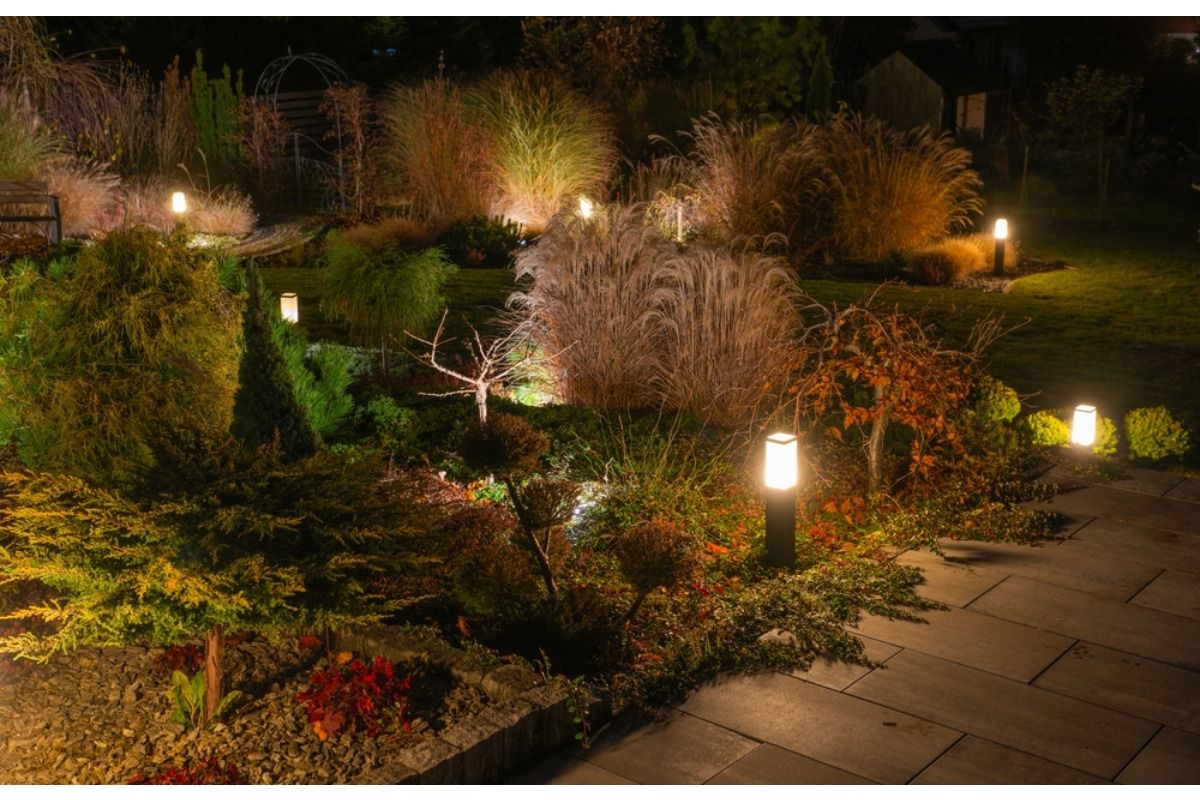
Homeowner Says His Neighbor Installed Bright Garden Lights That Stay On All Night, Now His Plants Are Struggling and Tension Is Growing
A homeowner says his neighbor installed bright garden lights that stay on all night, and what started as a small annoyance has slowly turned into a bigger issue affecting both his plants and their relationship.
Bright Lights Turned Night Into Day
He first noticed the change when his backyard no longer got dark at night. The neighbor had installed powerful garden lights that stayed on until morning. At first, it seemed like just a visual inconvenience. But over time, the constant brightness began to feel unnatural. The yard no longer had a normal day-night cycle. It started to affect more than just the atmosphere.
Plants Started Acting Differently
Within weeks, he noticed his plants weren’t behaving the same. Some stopped flowering at the usual time, while others looked stressed or uneven in growth. Leaves appeared thinner and less vibrant. He initially blamed watering or soil issues. But nothing he adjusted seemed to fix it. The pattern didn’t make sense until he looked at the lighting.
Artificial Light Can Disrupt Plant Cycles
Plants rely on natural cycles of light and darkness to regulate growth and flowering. Continuous artificial light at night can confuse these cycles and interfere with processes like flowering and development . Even low levels of light can shorten the “night” plants depend on. This can delay blooming or weaken overall growth. What looks like harmless lighting can actually stress plants over time. The impact isn’t always immediate, but it builds.
The Problem Became Hard to Ignore
As his plants continued to struggle, frustration grew. The lights were clearly reaching into his yard every night. He tried simple fixes like moving pots and creating shade barriers. Some plants improved slightly, but others didn’t recover. It became clear this wasn’t a one-time issue. The situation felt ongoing and unavoidable.
A Conversation That Didn’t Go Smoothly
He eventually spoke to his neighbor, hoping for a simple adjustment. But the response wasn’t what he expected. The neighbor saw the lights as a security and aesthetic upgrade. From their perspective, nothing was wrong. What felt like a small request turned into a disagreement. The tension started building between them.
Small Issues Turned Personal
What began as a gardening problem slowly became a relationship issue. Every night the lights turned on, it felt like a reminder of the unresolved conflict. The homeowner became more protective of his space. The neighbor became less open to change. A practical issue turned emotional. Communication became harder.
Trying to Find Middle Ground
He started looking for compromises instead of solutions. Ideas like motion sensors, lower brightness, or angled lights came up. These wouldn’t remove the lights entirely but could reduce the impact. The goal shifted from winning the argument to managing the situation. Balance seemed possible, but only with cooperation.
Light Pollution Is a Growing Concern
Situations like this are becoming more common as outdoor lighting increases. Artificial light at night doesn’t just affect people, it can disrupt plants, wildlife, and entire garden ecosystems . What feels like a personal issue often has a broader explanation. Awareness around this is still growing. Many people don’t realize the impact.
Living With the Outcome
For now, the homeowner is still adjusting, both his garden setup and his expectations. Some plants have been moved to less exposed areas. Others have been replaced with more tolerant varieties. The tension hasn’t fully gone away. But neither has the effort to manage it.
A Simple Change With Bigger Effects
This situation highlights how small changes in one space can affect another. A light switch in one yard can alter the environment next door. What seems harmless can have unexpected consequences. Awareness and communication matter more than ever. Balance between personal preference and shared space is becoming essential.