Goats, Tractors and Volunteers Hauled About 30 Truckloads of Junk Out of Georgetown’s Abandoned Gardens, and Alan Aulson Is Holding a Ribbon-Cutting Oct. 31
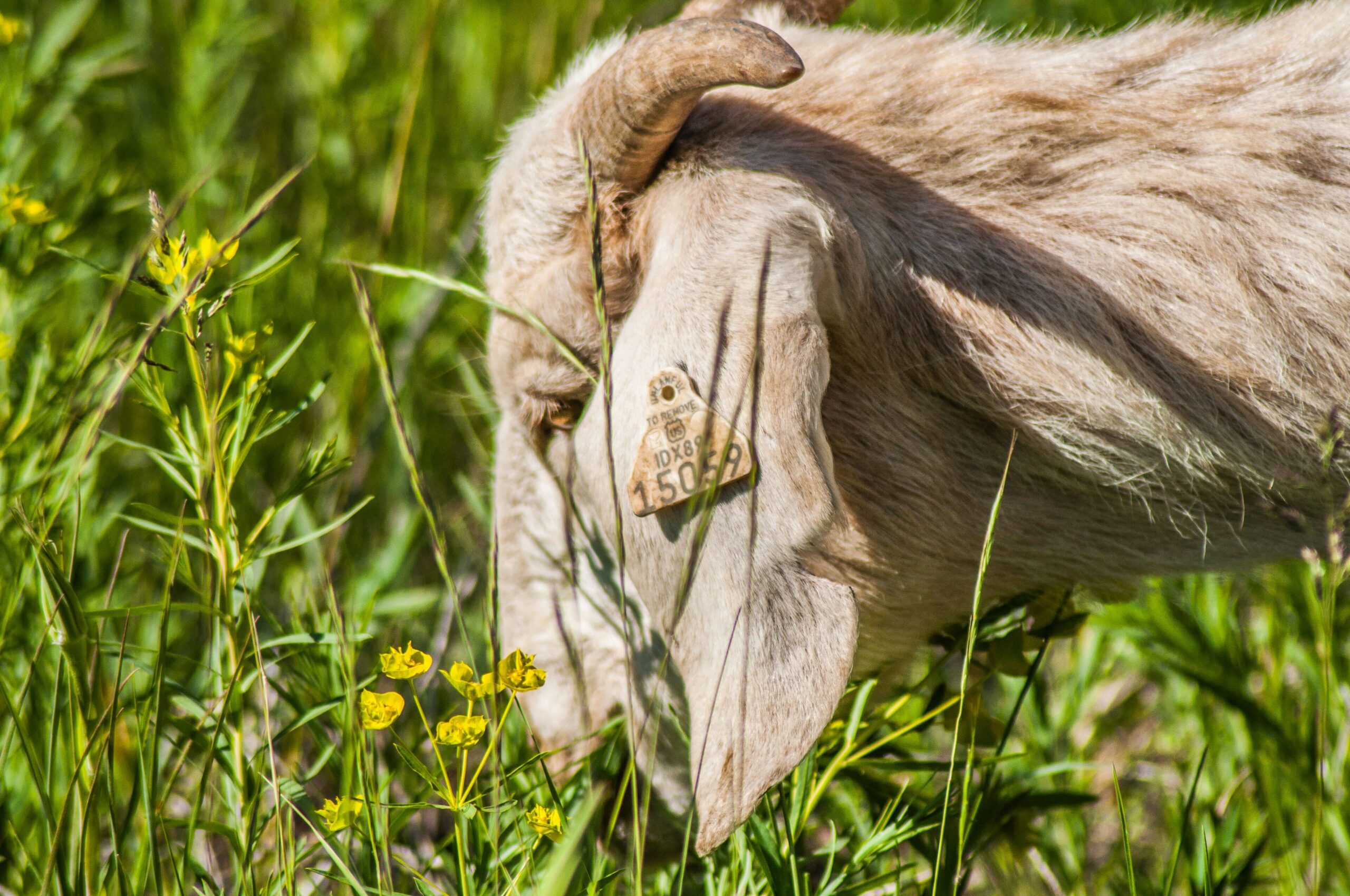
The goats went in first. As many as 60 of them grazed their way into the overgrown community gardens on Andover Street in Georgetown, Massachusetts, eating back tangled vines so that volunteers with tractors, brush cutters and rakes could follow.
By the time the work wound down, crews had hauled out about 30 truckloads of old fencing, wire, metal posts and other debris. Alan Aulson, the former selectman who organized the effort, has invited the town to a ribbon-cutting on Saturday, Oct. 31, at 11 a.m.
Seventy-six plots, about 14 still in use
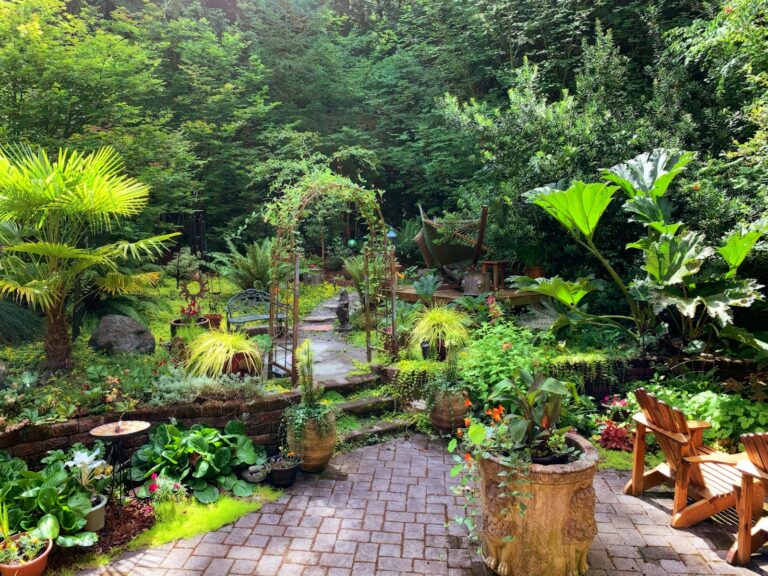
The Georgetown Community Gardens sit on Andover Street, just past the golf course near Pat Lufkin Brook. According to Goats To Go, the brush-clearing business run by the Aulson family, a farmer who once grew corn on the land reportedly offered it to the town for community use, and the Conservation Commission rented individual plots to residents on roughly five acres. Residents recall at least 34 families tending plots 15 or more years ago, the company wrote.
Over the years, most of those plots fell out of use. The Town Common reported in September that only about 14 of the 76 plots were still being cultivated. The land belongs to the Conservation Commission as part of the Lufkins Brook Conservation Area, about 180 acres bought in the early 1970s with state and local funds, which also includes a 1.5-mile walking trail and a pond that feeds the town’s water well.
Plastic, wire and brush had taken over much of the rest, and sumac trees about eight feet tall had grown up over the past decade, even though photos from more than 15 years ago show a nearly pristine garden. Aulson told The Town Common in early September that the gardens had deteriorated “over many, many years to the point where it needs a massive effort,” leaving them “no longer usable by many newcomers and seniors.”
Goats first, then the tractors
The plan relied on animals before machines. Goats To Go described sending up to 60 goats to work through about 10 plots in the first phase. The company said its goats had already cleared vegetation and poison ivy around the town’s dog park and tennis courts. Per The Town Common’s Oct. 21 report, the goats ate back dense bittersweet vines and other growth, and tractors from the family’s Great Rock Farm pulled out rusted posts and fencing.
Oriental bittersweet is one of the more stubborn invaders a gardener can face. The Lower Hudson Partnership for Regional Invasive Species Management says the vine, native to temperate East Asia, shades and breaks other plants and can girdle trees. Because small root pieces can resprout, it recommends repeated cutting or mowing over several years, and it lists goat grazing among the control options. Other communities are going after invasive plants with incentives instead, as in Kentucky, where homeowners can trade a cut-down Bradford pear for a free native tree.
Volunteers did the rest by hand. The work drew in the Georgetown American Legion, the Kiwanis, the Knights of Columbus, local businesses and individual residents, along with inmates from the Essex County Sheriff’s Pre-Release Center. Together they cleared fencing, wire, metal posts, containers, rotted wood, pots and old ground-cover fabric. The American Legion also gave $500 for winter rye seed, a cover crop for the cleared soil, while the Kiwanis Club pledged $300 and the Knights of Columbus $100.
Aulson’s written proposal went beyond brush. It also called for plowing, contacting existing plot holders, updating the rules for using the plots, and recruiting more volunteers, who were asked to bring metal detectors or small four-wheelers to find and haul buried scrap.
Heavy rain slowed the start. A Sept. 30 report described crews working with goats, hand rakes, brush cutters, clippers and tractors to pile up weeds, vines, plastic, mixed metals and wood, with Aulson aiming to restore that part of the gardens “to their former splendor.”
A narrow vote and a smaller footprint
The cleanup did not come easily. The Conservation Commission first approved Aulson’s permit by a 3-2 vote, with member Aaron Needleman unable to cast a ballot because of phone problems during the Zoom meeting. Chair Daryle LaMonica called the project a “huge benefit to the town,” while member Ida Wye said the brush had to be cleared “correctly.”
The commission later narrowed the job. The Town Common reported on Sept. 23 that it limited the cleanup to the front area, about 20% of the previously cultivated ground. Acting conservation agent John Lopez raised the cost of disposing of the debris and of running the gardens, and at least one member worried invasive plants could spread across the former cornfield if they were not properly treated.
Aulson offered the labor, goats and equipment at no cost to the town. The stated goal is to have the restored plots ready for planting next spring.
Saturday morning on Andover Street
The Oct. 31 ceremony is meant to be brief. The Town Common described it as Aulson’s way of thanking everyone who helped restore what the paper called a “treasure.” It starts at 11 a.m. at the gardens on Andover Street. Residents who want to help with the next stage have been directed to Aulson at 508-451-1987.
For the families who once filled dozens of plots there, the event marks the first visible step back toward a working garden. The Town Common has not reported any decision to expand the cleanup beyond the front section.
Georgetown’s effort joins other neighborhood gardens brought back by people who refused to let them go, including the East Harlem plot where Angela Maull grows kale, collards and tomatoes for a monthly food pantry in memory of her late daughter.
Get stories like this by email. Sign up for The Parent Diaries Letter.
This article was produced with AI assistance and edited for accuracy against the sources linked above.
Image: USFWS Mountain Prairie – Public domain/Wikimedia Commons