Gardener Says a Neighbor Offered to “Watch” Her Garden While She Was on Vacation, Then Harvested Everything Ready to Pick Before She Got Home
It began as a simple favor between neighbors who had exchanged little more than polite waves for years. She had carefully timed her vacation around peak ripening season, trusting her garden would hold steady for a few days without her. Before leaving, she noticed tomatoes just starting to blush and peppers thickening on the stems. Everything was finally lining up after a long season of careful tending. That is why the offer felt harmless at the time.
A Friendly Offer That Seemed Too Convenient
Her neighbor, a man named Kevin, mentioned it casually while they were both taking out trash bins. He said he had some free time and did not mind checking on her garden while she was gone. He even joked that he might talk to the plants so they would not miss her. She laughed, grateful someone nearby could keep an eye on things. It seemed like the kind of neighborly gesture people rarely question.
Leaving the Garden in Careful Order
The night before leaving, she walked through every row like she was closing a chapter. She tied up tomato vines, checked irrigation lines, and marked which vegetables should be picked first. She specifically told Kevin to only water and monitor, not harvest anything unless it looked like it was falling apart. He nodded and said he understood perfectly. She left feeling confident the garden would wait for her return.
First Signs Something Was Off After Returning
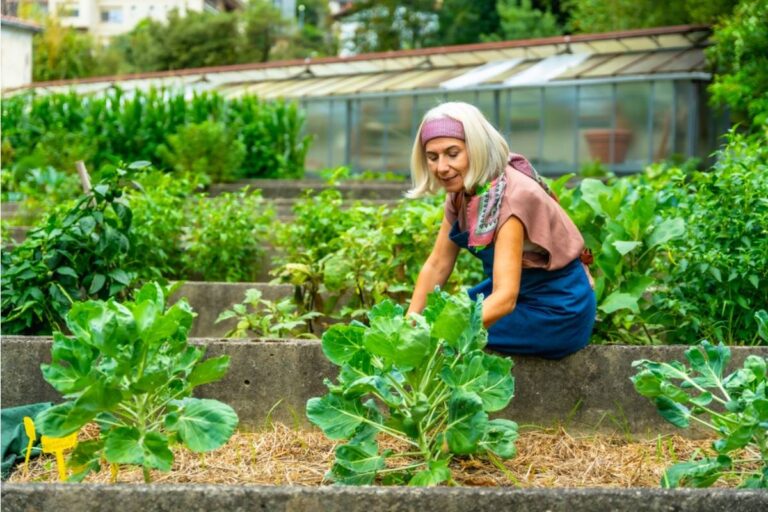
When she came back five days later, the garden looked strangely bare in sections. The tomato cages were upright, but most of the fruit was gone. Pepper plants that had been heavy with produce were suddenly stripped down to green stems. At first she thought maybe wildlife had gotten in, but the neatness of the harvest felt deliberate. Nothing looked scattered or damaged like animals would leave behind.
Kevin’s Casual Explanation Raises Questions
She walked over to Kevin’s house that same afternoon. He greeted her like nothing unusual had happened and asked how the trip went. When she asked about the missing produce, he said he had taken the ripe vegetables to prevent them from overmaturing. He claimed it would have been a waste to let them sit while she was away. His tone suggested he had done her a favor rather than taken something.
A Garden That No Longer Matches Her Records
Back home, she pulled out the notes she had made before leaving. Her harvest log showed exactly how much was expected to be ready. The difference between what she recorded and what remained was too large to ignore. Even partially ripe vegetables were gone, not just the fully ready ones. It did not match the idea of careful picking.
A Neighbor’s Version of Helping
When she confronted Kevin again, he insisted he had only picked what looked ready. He said some of the produce was already “clearly at risk of spoiling.” She pointed out entire clusters that had been harvested too early. He shrugged and said he assumed she would want everything used rather than wasted. The conversation shifted from confusion to frustration quickly.
A Second Set of Eyes Confirms Overharvesting
She asked a local gardening friend to walk through the beds with her. The friend immediately noticed that vines had been stripped unevenly. Some plants had been picked clean while others untouched beside them still had fruit. It looked less like selective harvesting and more like hurried collection. The conclusion was difficult to ignore.
Small Containers Reveal a Bigger Problem
A few days later, she noticed empty storage bins in Kevin’s garage while returning a borrowed ladder. Inside were traces of soil and vegetable residue. When she asked about them, Kevin said he had been helping distribute the harvest to avoid spoilage. He mentioned giving some away to friends and coworkers. That detail had never been discussed before.
A Community Group Message She Was Never Told About
She later discovered Kevin had posted photos in a neighborhood group chat while she was away. The images showed baskets of her vegetables labeled as “extra garden share.” People had thanked him for the produce, assuming it was communal or donated. She had never been added to that conversation. The realization made the situation feel more public than she expected.
A Conversation That Turns Into Accusations
When she brought up the group chat, Kevin became defensive. He said he was just being generous with excess produce that would have gone to waste. She responded that it was not his decision to make. The argument escalated into raised voices and neighbors stepping outside to listen. What started as a favor now felt like a breach of trust.
A Third Party Steps In to Mediate
A nearby homeowner who had seen both sides suggested they speak with the neighborhood association. The goal was to clarify boundaries around shared responsibility and property access. At the meeting, Kevin repeated that he thought he was helping. She explained the importance of timing in harvesting and planning. The association reminded everyone that permission does not extend to ownership.
The Garden Slowly Becomes Hers Again
After the dispute, Kevin agreed to step back from any involvement with her property. She reset her garden routines and replanted several areas that had been overharvested. New growth began to appear where vines had been left bare. The recovery would take another full season, but it was underway. She worked through it carefully, rebuilding what had been taken too early.
A Lesson That Changed the Way She Trusted Neighbors
By the end of the season, the garden was producing again, though she no longer left it in anyone else’s hands. Kevin still lived next door, and their interactions returned to polite distance. She never again assumed that a simple favor meant shared understanding. The experience changed how she viewed boundaries, even in quiet suburban spaces. What was meant to be help had quietly become something else entirely.