A Family Accepted “Free Dirt” For Their Yard, Then Learned The Five Dump Trucks Had Left Behind A $100,000 Nightmare
A family in New Jersey thought they had found an easy solution to a simple landscaping problem. They needed fill dirt after having trees removed, and a Facebook Marketplace listing appeared to offer exactly what they were looking for, apparently at no cost. Instead, several dump trucks arrived carrying material packed with bricks, broken concrete, and construction debris.
What started as a seemingly harmless favor turned into a two-and-a-half-year battle with the township. Testing eventually indicated that the material was contaminated, and the family was told it needed to be removed. With cleanup estimates reaching between $50,000 and $100,000, the family is now trying to figure out who should ultimately be responsible.
The Offer Looked Almost Too Good To Pass Up
The family needed fill dirt for an area beside their house after having a number of trees removed. The father found a Facebook Marketplace listing advertising what appeared to be free dirt, which sounded like an inexpensive way to handle the landscaping work. The pictures showed material that looked clean enough, and an initial sample they were shown also appeared acceptable.
There was apparently no reason at the time to expect the deal would turn into an environmental problem. The family communicated with the person arranging the delivery and received information about where the material supposedly came from. They also received a PDF environmental report that was presented as paperwork or certification for the dirt.
Then The Dump Trucks Started Arriving
The scale of the delivery quickly became much larger than a casual load of fill dirt. According to the family, more than five dump trucks eventually arrived and unloaded material onto the property. The fill was then spread and compacted over an area of roughly 0.2 acres.
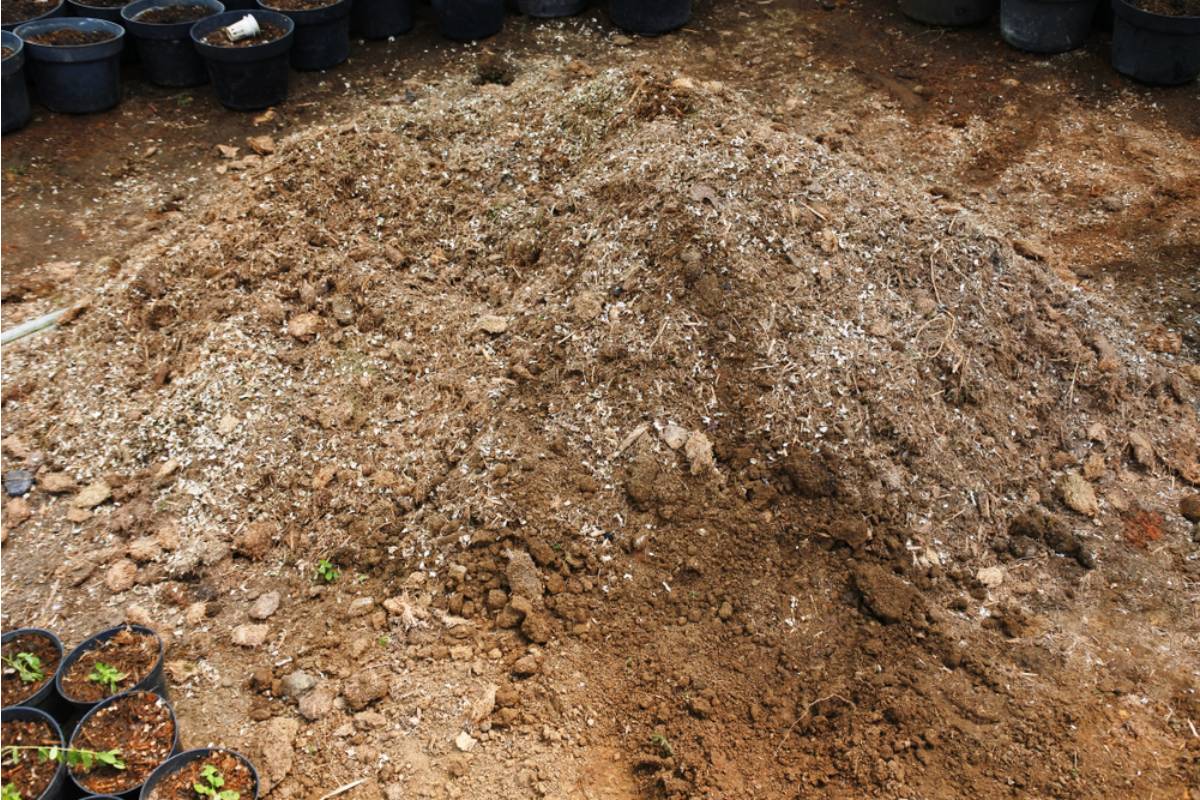
Once the material was on the ground, it became obvious that it wasn’t ordinary clean soil. The loads contained bricks, broken concrete, and other construction debris that had apparently been mixed into the material. What the family thought was free fill had suddenly become something much more complicated.
The Paperwork Made The Situation Even Stranger
The environmental report initially appeared to provide some reassurance that the material was legitimate. However, the family later discovered that the report actually concerned an unrelated commercial construction site. It also covered only certain tested soil and specifically excluded the debris-filled material that had been delivered to their property.
That discovery potentially made the situation much more serious. The environmental company named in the paperwork reportedly told the family that it had no record of supplying the dirt to them. Instead of proving the material was clean, the document became another piece of evidence that the delivery may have been misrepresented.
The Person Who Arranged The Delivery Became Difficult To Reach
After the material had been delivered, the person who had arranged everything reportedly became difficult to contact. That left the family dealing with the consequences while the person connected to the delivery was no longer readily available. The family nevertheless retained identifying information that could potentially help locate the person.
They still had the full name and profile of the individual connected to the Facebook Marketplace listing. They also had email correspondence, photographs, and information from the delivery itself. Most importantly, photographs apparently captured the trucks and their license plates.
Then The Township Got Involved
The problem eventually came to the attention of the local township. What followed was not a quick conversation about removing unwanted debris, but a lengthy process involving court dates, filings, testing, and other requirements. According to the family, the situation dragged on for roughly two and a half years.
The father spent thousands of dollars dealing with the matter and hundreds of hours handling everything connected with the township. Eventually, the township required a much deeper environmental analysis. That analysis alone reportedly cost around $10,000.
The Testing Produced The Worst Possible Result
The family had hoped that the testing might finally settle the matter. Instead, the results reportedly indicated that the material was contaminated and needed to be removed from the property. That transformed an already expensive problem into a potential six-figure disaster.
The family says cleanup estimates have ranged from approximately $50,000 to $100,000. The exact cost depends on what has to be excavated, transported, tested, and disposed of under the applicable environmental requirements. Suddenly, the phrase “free dirt” looked like the most expensive landscaping decision the family had ever made.
People Immediately Wanted To Know How It Happened
Several responses focused on a basic question: why did the family accept so many truckloads of material? More than five dump trucks had reportedly arrived, which made some people wonder why the delivery wasn’t stopped once the material visibly contained construction debris. Others pointed out that the father may not have been present when everything was delivered.
The family later clarified that the property had an area of about 0.2 acres and that the material was all placed there and spread with equipment similar to a skid steer. They also explained that they had been dealing with roughly 10 to 20 trees rather than just the two trees some people initially assumed. That explanation made the volume of material somewhat easier for others to understand, although the circumstances still raised plenty of questions.
The Facebook Messages Could Matter More Than Expected
One important point raised by responses was that the absence of a traditional signed contract doesn’t necessarily mean there is no evidence of an agreement. The family has emails and other communications concerning the dirt, including the description of what was being provided and information about its supposed source. Those communications could potentially become important evidence if a legal claim is pursued.
A response from a person pointed out that an agreement can sometimes be established through communications and conduct rather than one formal document. Another person suggested that the family’s reliance on representations about the material could potentially become relevant to a claim. Exactly what legal theories apply, however, would depend on New Jersey law and the details of the communications.
The Environmental Side Is A Completely Different Problem
The situation isn’t simply about someone delivering the wrong kind of dirt. Once contamination and environmental regulations become involved, the issue can become considerably more complicated than an ordinary dispute over a bad delivery. The family is dealing with a government requirement concerning material that is already sitting on their property.
Several responses suggested contacting the New Jersey Department of Environmental Protection. People familiar with environmental matters noted that the agency may have an interest in determining where potentially improperly handled material came from and whether it was transported or disposed of unlawfully. The family’s attorney would also be in a better position to determine which agencies should be contacted and how those conversations should happen.
Some People Suspected This Was More Than A Simple Mistake
The circumstances caused several people to suspect that the person offering the material may have been trying to avoid the cost of properly disposing of construction waste. If someone represented construction material as clean fill when they knew it wasn’t, that could potentially make the dispute considerably more serious. The allegedly misleading environmental paperwork added another unusual detail to the story.
One response described the situation as potentially involving illegal dumping rather than simply receiving poor-quality fill. Another pointed out that construction waste can carry regulatory requirements that ordinary soil doesn’t. Whether anyone intentionally deceived the family would ultimately need to be established with evidence rather than assumptions.
The Family Has More Evidence Than They First Realized
The evidence gathered over the past two years could become extremely important if the family takes legal action. They have photographs of the trucks and license plates, along with the Facebook profile and identifying information connected to the original listing. They also have emails, the questionable environmental document, township correspondence, testing results, and invoices.
That collection of material gives an attorney something concrete to investigate. It may help establish who arranged the delivery, what was promised, what actually arrived, and what happened afterward. The family may also be able to use the documentation to establish the financial consequences of the delivery.
The Biggest Question Is Who Should Pay
The township’s immediate concern appears to be the contaminated material sitting on the family’s property. That does not necessarily answer the separate question of whether someone else can ultimately be held responsible for the costs. The family may have to comply with environmental requirements while separately pursuing whoever caused or contributed to the problem.
That distinction was repeatedly highlighted by responses. A government agency may not be interested in settling the family’s private dispute with the person who arranged the delivery. The family’s potential claim against that person could therefore become a separate civil matter requiring its own legal strategy.
A Specialized Attorney Suddenly Became Essential
Most responses agreed on one thing: this had moved far beyond the kind of situation where internet advice was enough. A dispute involving potential contamination, environmental regulations, property obligations, and $50,000 to $100,000 in projected remediation costs requires someone familiar with New Jersey law. Several people specifically recommended an attorney experienced in environmental contamination and property-related disputes.
The timing also matters because legal claims can have deadlines. The family initially assumed the problem would eventually be resolved through the township process, but the slow pace meant years passed before the enormous cleanup estimate appeared. With that number now on the table, waiting even longer could potentially make the situation harder to resolve.
People Also Warned Against Simply Moving The Dirt Somewhere Else
Some responses suggested finding a landfill or another property that could accept the material. Others quickly pushed back on that idea, explaining that knowingly moving potentially contaminated material somewhere else could create another serious legal and environmental problem. Once the family has been informed that the material is contaminated, simply making it disappear is obviously not a safe solution.
The proper destination for contaminated soil depends on what the material actually contains and the applicable regulations. Transportation, testing, disposal, and documentation may all be governed by specific requirements. The family therefore needs professional guidance before anyone loads the material onto another truck.
The Alleged Contamination Could Explain The Huge Price Tag
Several people were initially skeptical that removing several truckloads of dirt could really cost $50,000 to $100,000. But contaminated soil can be dramatically more expensive to handle than ordinary landscaping material. Excavation, specialized transportation, environmental testing, disposal requirements, engineering oversight, and the type of contaminant involved can all affect the final bill.
Construction debris itself isn’t necessarily what makes the situation extraordinarily expensive. Bricks and concrete can be ordinary demolition material, but contamination associated with construction sites can potentially include substances that require specialized handling. The family’s environmental testing is therefore much more important than the appearance of the material alone.
The Family Is Finally Treating It Like A Major Legal Problem
The original poster acknowledged that the family regrets how the situation began. At the time, they didn’t expect a free fill-dirt arrangement to result in years of government involvement and potentially tens of thousands of dollars in cleanup costs. They also didn’t initially seek an attorney because they assumed the matter would never reach this point.
Now that the final inspection and cleanup estimates have arrived, their approach has changed. The family says they are moving quickly to contact attorneys and explore their options. With the evidence they have accumulated, the next step is figuring out whether the person responsible for the delivery, the company or contractors involved, or another party can ultimately be held financially responsible.
What Looked Like Free Dirt Became A Very Expensive Lesson
The story began with something that sounded almost impossible to refuse: free fill for a family property. Instead, multiple trucks delivered construction material that later became the subject of environmental testing and a township cleanup order. The family now faces a potential bill approaching six figures for material they believed they were receiving as clean dirt.
The twist is that the most valuable thing the family received may not have been the dirt at all, but the evidence surrounding it. The Facebook listing, emails, photographs, truck information, environmental paperwork, testing records, and government correspondence could all become important pieces of a much larger case. What happens next may depend on whether an environmental attorney can connect those pieces and determine who, if anyone, can be made to pay for the mess.