Homeowner Says a Property Developer Offered to “Preserve” the Community Garden During Construction, Then Paved Over It Within a Month
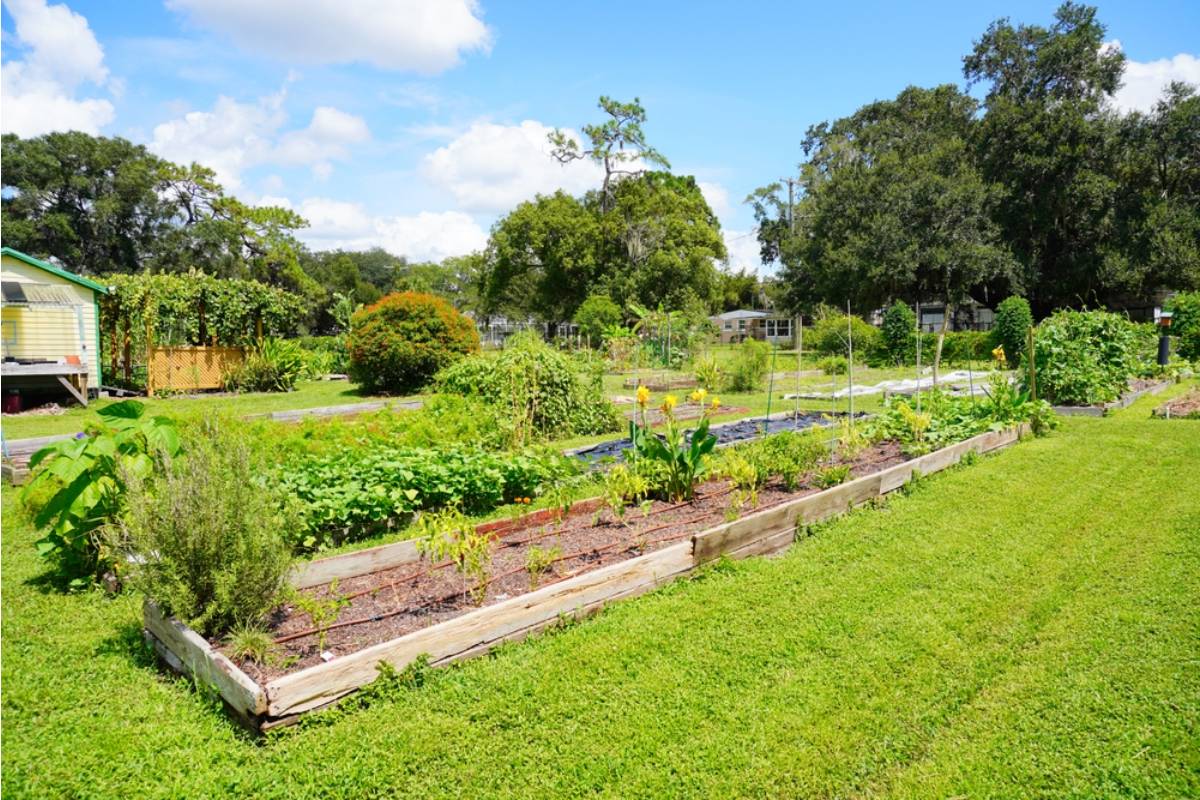
For nearly fifteen years, the residents of Willow Creek had shared a small community garden behind an old neighborhood recreation center. They had built raised beds, planted fruit trees, and created a place where children could learn how food grew.
When a property developer announced plans to build townhomes nearby, the residents were relieved when he promised that their beloved garden would be preserved during construction.
The Garden Became the Heart of Willow Creek
The garden had started with only six neighbors who wanted somewhere to grow tomatoes and herbs, but it gradually became much more than a collection of planting beds. Retirees watered seedlings beside young parents, and children often arrived after school to pick strawberries or pull carrots from the soil. At the center stood a wooden sign that read, “What We Grow Together, We Share.”
Maria Bennett, who had helped establish the garden, kept the key to the tool shed and organized the volunteer schedule. She knew which beds belonged to which families and could identify nearly every plant without checking a label. When someone moved into Willow Creek, Maria’s first invitation was usually the same: “Come see the garden.”
The Development Plan Arrived
The trouble began when residents received notices about a proposed housing development on a vacant parcel bordering the garden. The developer, Grant Holloway, planned to build several rows of townhomes, a private access road, and a small landscaped entrance near the recreation center.
Many residents immediately worried that the construction would destroy the garden. Maria attended the first community meeting with a folder full of photographs, maintenance records, and a petition signed by dozens of neighbors who wanted the garden protected.
Grant Walked Through the Gate
Grant arrived at the meeting with several members of his development team. He listened as Maria explained how the garden had become an informal gathering place and how residents had spent years improving the soil, repairing the beds, and planting trees.
Afterward, Grant asked Maria whether he could see the garden himself. She unlocked the gate and walked beside him while he inspected the raised beds, compost area, picnic table, and young peach trees along the back fence.
His Promise Changed the Conversation
Grant told Maria that he had no intention of destroying something the community valued so much. He said the development could be designed around the garden and that his company wanted to be a responsible neighbor.
Maria asked him directly whether the garden would remain throughout construction. Grant nodded and said, “Absolutely. We’re going to preserve it.”
Several residents standing nearby heard the promise, and their concerns immediately began to soften. Maria later told the neighborhood association that Grant seemed genuinely interested in protecting the space.
The Agreement Was Put in Writing
A week later, Grant’s company sent the neighborhood association a written proposal. It stated that the garden would remain in place during construction and that reasonable measures would be taken to prevent damage from equipment, debris, and construction traffic.
Maria read the document carefully before signing anything. She noticed that the language did not promise permanent protection beyond the construction period, but Grant told her that the garden would remain because the final site plan included it as a community amenity.
The residents voted to support the development proposal.
Construction Began Beside the Garden
The first crews arrived several weeks later and began clearing the vacant parcel. Temporary fencing went up along the property boundary, and heavy equipment moved back and forth near the garden entrance.
Maria became concerned when a construction worker asked whether the garden would eventually be removed. She told him that the developer had promised to preserve it, and the worker simply shrugged before returning to his equipment.
That evening, Maria emailed Grant asking for clarification.
The First Raised Bed Was Damaged
A few days later, one of the construction vehicles accidentally clipped the corner of a raised bed. Several tomato plants were crushed, and the wooden frame had been pushed several inches out of alignment.
Grant’s project manager apologized and promised that the crews would be reminded to stay away from the garden. Maria accepted the apology but photographed the damage and sent the pictures to the neighborhood association.
She also asked for protective barriers to be installed around the garden.
The Barriers Never Arrived
For nearly two weeks, Maria repeatedly asked when the promised protective barriers would be placed. Each time, someone from the development company told her that the materials were being ordered or that the crew was waiting for the next phase of construction.
Meanwhile, dust began settling on the leaves, construction debris collected near the fence, and trucks occasionally blocked the garden entrance. The residents continued maintaining their beds, but the atmosphere had changed.
Maria started keeping a notebook of every incident.
A New Fence Appeared Overnight
One morning, Maria arrived at the garden and discovered that a tall temporary construction fence had been installed several feet inside the garden’s boundary. It blocked access to three raised beds and surrounded part of the compost area.
She called the project manager immediately. He told her the fence was temporary and necessary for worker safety.
Maria asked why nobody had informed the residents before moving it. The project manager replied, “The site plan changed.”
The Site Plan Was Suddenly Different
Maria requested a copy of the updated plan. When it arrived, she noticed that the garden no longer appeared in the same location.
A new access road had been drawn across the area where several raised beds stood. The picnic table was gone from the plan, and the peach trees were marked for removal.
Maria called Grant directly.
Grant Gave Her an Unwelcome Explanation
Grant told Maria that the project had changed because the town required additional access and drainage improvements. He said the garden had been “temporarily relocated on paper” while the company worked through the final design.
Maria asked where the garden would actually be moved. Grant paused before saying that the company was still evaluating the options.
She reminded him that his written proposal specifically described preservation during construction.
Grant replied that the company had fulfilled that obligation by keeping portions of the garden intact so far.
The Residents Became Suspicious
Maria called an emergency neighborhood meeting. Nearly every regular gardener attended, along with several residents who had never participated in the association before.
She spread the original proposal across a folding table and placed the new site plan beside it. The difference was obvious, and one resident pointed to the access road and said, “That’s where my father’s apple tree is.”
Nobody knew what to say.
The Developer Stopped Answering
Maria sent Grant several emails asking for a meeting. His assistant responded that he was unavailable due to construction deadlines.
She contacted the project manager, who told her that decisions were now being handled by the developer’s legal department. When Maria asked whether the garden was still protected, he said he could not comment.
The silence frightened her more than the damaged plants had.
The Garden Was Cleared
One Saturday morning, Maria received a phone call from another gardener telling her that construction crews were moving equipment toward the garden.
She drove to the property and saw workers removing the raised beds. Soil was being pushed into piles, tomato cages were scattered across the ground, and the picnic table had been lifted onto a truck.
Maria ran toward the site supervisor and demanded to know what he was doing.
He told her, “We’re clearing this area for paving.”
The Promise Was Already Being Ignored
Maria showed him the original written agreement. The supervisor glanced at it and said he had never seen the document.
She called Grant, but the call went directly to voicemail. She then called the neighborhood association president, who arrived shortly afterward and began taking photographs.
By the time they reached the garden, several beds had already been destroyed.
The Community Tried to Stop the Work
Residents began arriving after Maria posted an urgent message in the neighborhood group. Some carried copies of the original agreement, while others stood near the garden entrance demanding that the crews stop.
The site supervisor called his manager, who told him to continue working because the company had received approval for the revised construction plan.
Maria could hardly believe what she was hearing. The garden that had supposedly been protected was being dismantled while residents stood nearby holding the developer’s promise.
The Pavement Covered the Soil
Within days, the remaining raised beds were removed. The peach trees disappeared, the compost bins were hauled away, and the curved path that residents had built themselves was broken apart.
Then heavy machinery arrived and leveled the entire area.
A layer of gravel went down first, followed by compacted material. Soon afterward, workers began preparing the surface for pavement.
Grant Finally Appeared
Grant arrived at the property after the demolition had already begun. Maria confronted him near the construction fence and asked why he had broken his promise.
Grant said he had never promised to preserve the garden permanently. Maria held up the signed proposal and reminded him that the document specifically described preservation during the construction process.
He responded that construction plans had changed and that the community garden had not been part of the final approved development.
The Residents Found an Important Detail
The neighborhood association contacted the town planning department to determine how the revised plan had been approved. They discovered that the garden had originally been listed as a community feature in the developer’s proposal.
However, the final plan submitted later contained no garden.
More importantly, the residents discovered that the association had never been formally notified that the amenity had been removed.
That detail changed everything.
The Original Photographs Became Evidence
Maria gathered every photograph she had taken before construction began. She had pictures of the garden from every angle, including the sign, raised beds, trees, tool shed, and picnic area.
Other residents supplied their own photographs. One gardener had even recorded a video of Grant walking through the garden and telling residents that it would be preserved.
The neighborhood now had more than a verbal promise.
They had a record.
The Town Asked Questions
The residents submitted their evidence to the town planning office. Officials requested copies of the developer’s original proposal, revised site plans, and correspondence concerning the garden.
The investigation revealed that the garden had been removed from the development plans without a new community meeting.
Grant’s company argued that the change was permitted because the garden was located on land controlled by the developer.
The residents argued that the company’s own written commitments had created a separate obligation.
The Neighborhood Refused to Let It Disappear
While the dispute continued, Maria refused to let the community garden become only a memory. She organized temporary planting beds in several residents’ yards and created a shared schedule for watering them.
Children who had once picked strawberries behind the recreation center now helped plant vegetables in portable containers.
The old wooden sign was recovered from a storage pile and placed in Maria’s front yard.
A Public Meeting Changed Everything
At a public planning meeting, dozens of Willow Creek residents appeared. Maria stood at the microphone with the original agreement in one hand and photographs of the destroyed garden in the other.
She did not shout. Instead, she explained exactly what had happened, beginning with Grant’s promise and ending with the day workers paved over the soil.
Then a longtime resident stood and said, “We trusted that promise when we supported this project.”
The room became unusually quiet.
The Developer Was Ordered Back to the Table
Town officials did not order the destroyed garden to be restored exactly as it had been. The construction had progressed too far for that.
However, the developer was required to negotiate a replacement community space as part of the project’s public commitments. The new plan included a landscaped garden area, accessible planting beds, fruit trees, and a small gathering space.
It was not the garden the residents had lost.
But it was a chance to build another one.
Grant Offered an Apology
Grant eventually met with Maria privately. He admitted that the project had become more complicated than he expected and that he should never have made a promise before confirming whether his company could honor it.
Maria told him that the garden had survived for years because residents trusted one another. His promise had convinced them to trust him too.
Grant apologized for the way the situation had been handled.
Maria accepted the apology but told him that trust was not something a written statement could restore after it had been broken.
The New Garden Took Shape
The replacement garden was built near the edge of the new development. Residents insisted on having a written maintenance agreement, clear access rules, and language protecting the space from future construction changes.
Maria helped choose the first plants.
This time, nobody relied on a handshake.
The Old Sign Returned
When the new garden opened, Maria carried the original wooden sign from her house and placed it near the entrance.
The words were faded, but still readable: “What We Grow Together, We Share.”
Several former gardeners brought cuttings and seeds saved from the original garden. Some plants had survived in private yards after the old site was destroyed.
The new garden therefore contained pieces of the one that had been paved over.
Maria Never Forgot the First Promise
The development eventually filled with new families, many of whom had never known there had once been a garden beside the construction site.
Maria made sure they learned the story.
She told them that the garden had not disappeared because the community stopped caring about it. It disappeared because people trusted a promise that was later treated as though it had never been made.
The Garden Returned in a Different Form
Years later, the replacement garden was larger than the original and busier than anyone expected. Children still picked strawberries, older residents still traded gardening advice, and neighbors still gathered around the picnic tables.
Maria sometimes stood near the entrance and remembered the first garden. She missed its crooked wooden beds and old peach trees, but she also knew that the community had built something stronger after losing it.
The developer had paved over the soil, but he had not managed to pave over the reason the garden existed in the first place.
The residents had planted it again, this time with something they had learned to protect just as carefully as the plants: their right to hold people accountable for the promises they made.