Gardener Says She Spent an Entire Spring Restoring a Rundown Community Plot for Elderly Residents, Then a City Crew Paved Over It Two Weeks Later for “Higher Priority Parking”
When I first walked past the abandoned community garden, it looked more like a forgotten construction site than a place where anything could grow. The wooden borders had collapsed, weeds stood waist high, and broken concrete blocks were scattered across the paths.
Most people barely glanced at it anymore because it had been neglected for years. I could not stop thinking about the older residents in the nearby senior apartment building who often talked about missing the gardens they once cared for. That conversation stayed with me, so I decided to spend my entire spring bringing the space back to life, even if it meant doing most of the work myself.
A Simple Idea Gains Momentum
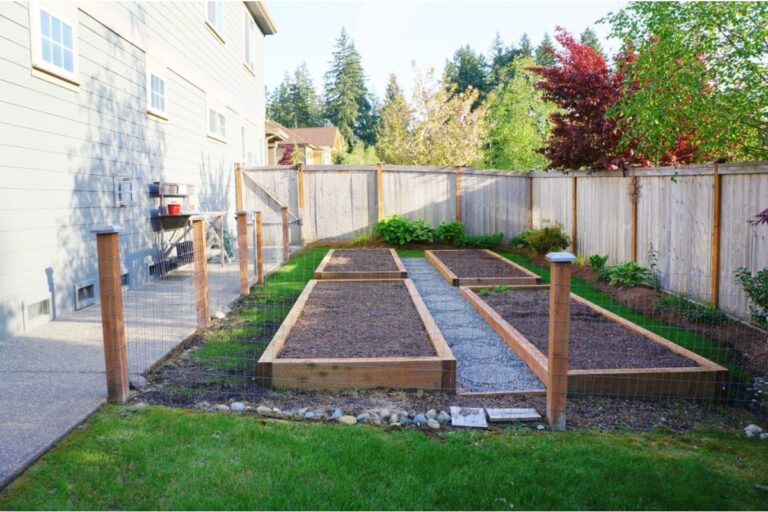
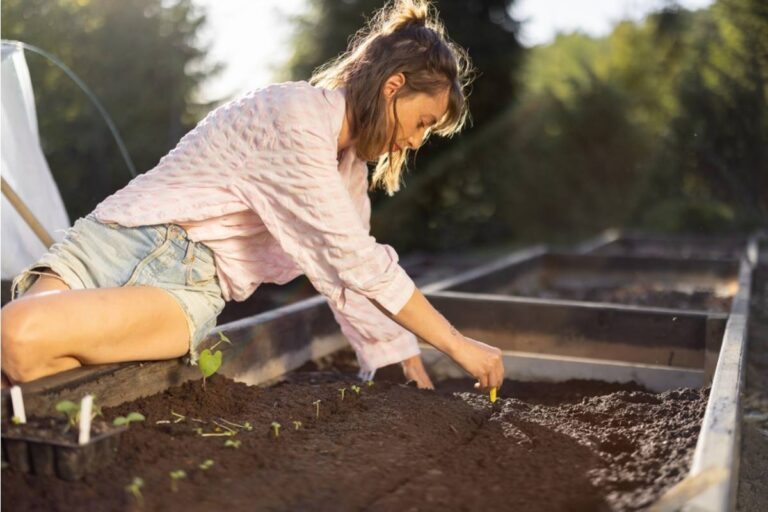
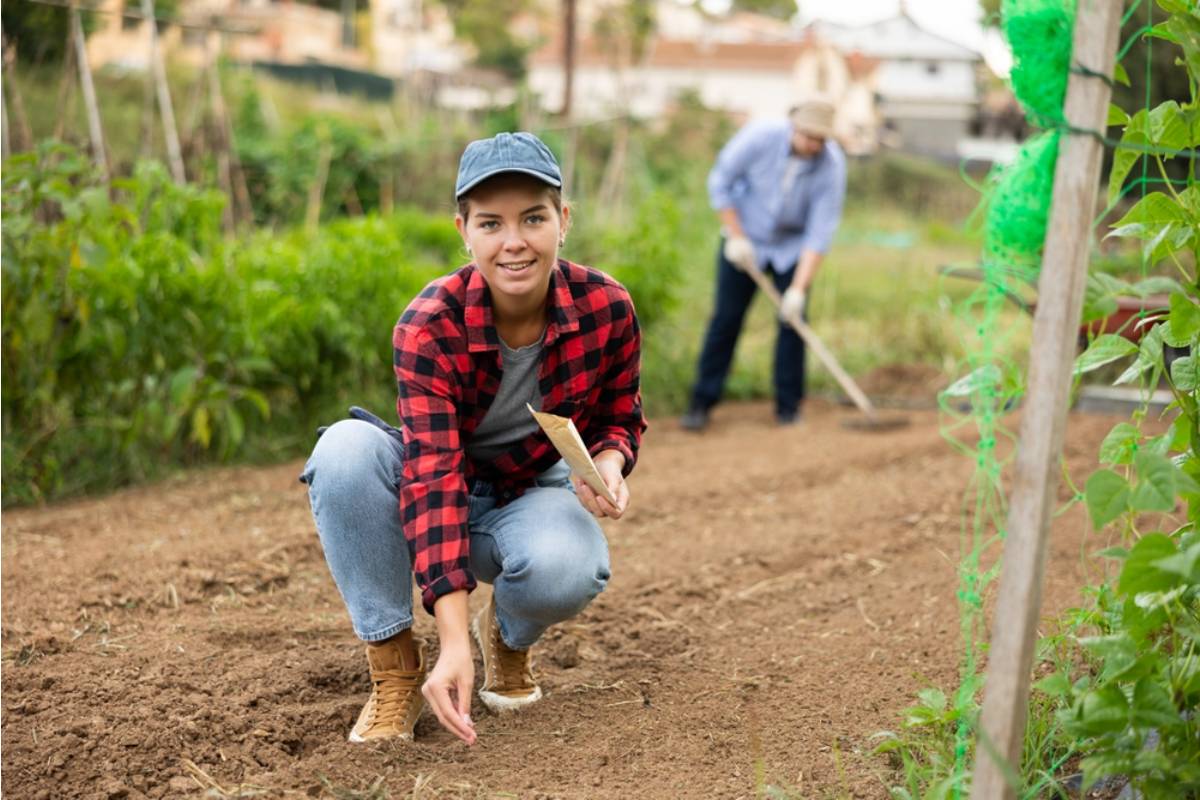
I began by clearing weeds every Saturday morning with nothing more than a shovel, gloves, and a wheelbarrow. Before long, two retired neighbors joined me after noticing the progress. They shared stories about growing vegetables decades earlier and eagerly helped rebuild the first raised bed.
Within a few weeks, more volunteers appeared. Some donated seeds while others brought extra mulch, compost, and gardening tools. The empty lot slowly started looking like a place filled with purpose again.
The Elderly Residents Return to Gardening
Once the beds were ready, several residents from the senior apartments visited for the first time. One woman named Helen gently ran her hand across the fresh soil and quietly admitted she had not planted flowers since arthritis made maintaining her old yard impossible.
Another gentleman spent nearly an hour explaining how to grow beans using simple wooden supports. Watching them smile while working in the garden made every sore muscle feel worthwhile.
Local Children Join the Project
A nearby elementary school heard about the restoration through one of the volunteers. Teachers arranged for small groups of students to visit and help plant herbs and flowers alongside the seniors. The conversations between generations became just as meaningful as the gardening itself.
Children listened carefully while older residents shared gardening tips learned over a lifetime. The neglected lot transformed into a place where people actually looked forward to gathering.
A Garden Begins to Flourish
By late spring the raised beds overflowed with lettuce, tomatoes, peppers, marigolds, and native flowers. Butterflies drifted between colorful blooms while herbs filled the air with fresh scents. Neighbors who had once hurried past the empty lot now stopped to admire the transformation.
The space finally looked like something the community could proudly call its own. None of us suspected how little time we actually had to enjoy it.
An Unusual Marking Appears
One morning I noticed several bright spray painted lines crossing the sidewalk near the garden entrance. At first I assumed utility workers planned to inspect underground pipes or cables.
No signs explained what the markings meant. Since no notices had been posted nearby, nobody seemed especially concerned.
Heavy Equipment Arrives Without Warning
About two weeks later I arrived carrying fresh seedlings and immediately froze. Large construction vehicles surrounded the garden while workers unloaded paving equipment. Several raised beds had already been removed before I even reached the entrance.
I rushed toward the site supervisor and asked what was happening. He calmly replied that the area was scheduled to become additional parking for a nearby public building.
Volunteers Demand Answers
Word spread quickly through the neighborhood. Within an hour, volunteers, seniors, and parents gathered outside the temporary construction fencing. Everyone asked the same question.
Why had months of community work been destroyed without any warning?
The supervisor explained that his crew had simply received work orders. Decisions about the project had already been finalized long before they arrived.
A Missing Piece of Information
Determined to understand what had happened, several of us visited the city planning office that afternoon. After searching public records, an employee discovered that the parking expansion proposal had been approved months before our restoration even began.
The problem was that almost nobody living nearby knew about it. The notice had been posted on an outdated bulletin board inside a municipal building that very few residents ever visited.
Photos Begin Spreading Online
One volunteer uploaded photographs comparing the thriving garden with the freshly paved lot replacing it. The images spread rapidly through local neighborhood groups and community pages.
People reacted strongly because the transformation looked almost unbelievable. Healthy vegetables, flowers, and wheelchair accessible paths had disappeared beneath fresh pavement in only a matter of hours.
An Unexpected Phone Call
A local newspaper contacted me after seeing the photographs online. The reporter wanted to understand why so many residents seemed emotionally connected to the garden. Rather than focusing only on the paving project, I explained how the space had helped elderly residents reconnect with lifelong hobbies.
The article highlighted stories from Helen and several other volunteers instead of simply criticizing city officials. Those personal experiences resonated with readers across the community.
The City Responds
A few days later city representatives requested a meeting with neighborhood volunteers. They admitted the communication surrounding the parking project had been inadequate, even though the construction itself followed existing plans.
One official quietly acknowledged that nobody had anticipated the abandoned lot would become such a meaningful gathering place before work began.
An Opportunity Nobody Expected
Instead of ending the conversation there, one parks department employee suggested exploring another unused parcel several blocks away. Unlike the original location, this property was already designated for recreational use and faced no future development plans.
Although disappointed by what we had lost, everyone recognized that a permanent location offered possibilities we had never considered before.
Building Something That Could Last
Over the following months, volunteers worked alongside city staff to design an even larger community garden. Raised beds included wheelchair access from the beginning, shaded seating areas were added, and water access was improved. The city even provided educational signs describing different vegetables and pollinator friendly flowers.
Because everyone collaborated from the planning stage, the new garden avoided the uncertainty that had surrounded the original project.
A Return Worth Celebrating
The first planting day at the new location felt different from the previous spring. Many of the same seniors returned carrying seed packets they had saved after the original garden disappeared. Helen smiled as she planted flowers once again, joking that gardeners always know how to start over.
Children who had helped at the first garden eagerly joined them. Instead of mourning what had been lost, everyone focused on what they were creating together.
Growing Beyond the Setback
Whenever I think about that first garden, I still remember the shock of seeing months of work replaced by fresh pavement. It was heartbreaking to watch something built through generosity disappear so quickly. Yet the experience also revealed how deeply the community cared once people understood what had been lost.
The second garden became larger, stronger, and more secure because of everything we learned from the first one. More importantly, it reminded all of us that gardens are never defined only by soil, flowers, or raised beds. They are defined by the people willing to keep planting, even after disappointment. In the end, concrete covered one garden, but it could not bury the determination of an entire neighborhood that refused to let a good idea disappear.