Gardener Says She Spent an Entire Spring Nursing a Dying Apple Tree Back to Health for a Neighbor Who Was Too Elderly to Care for It, Then His Family Sold the House and the New Owners Cut It Down Within a Week
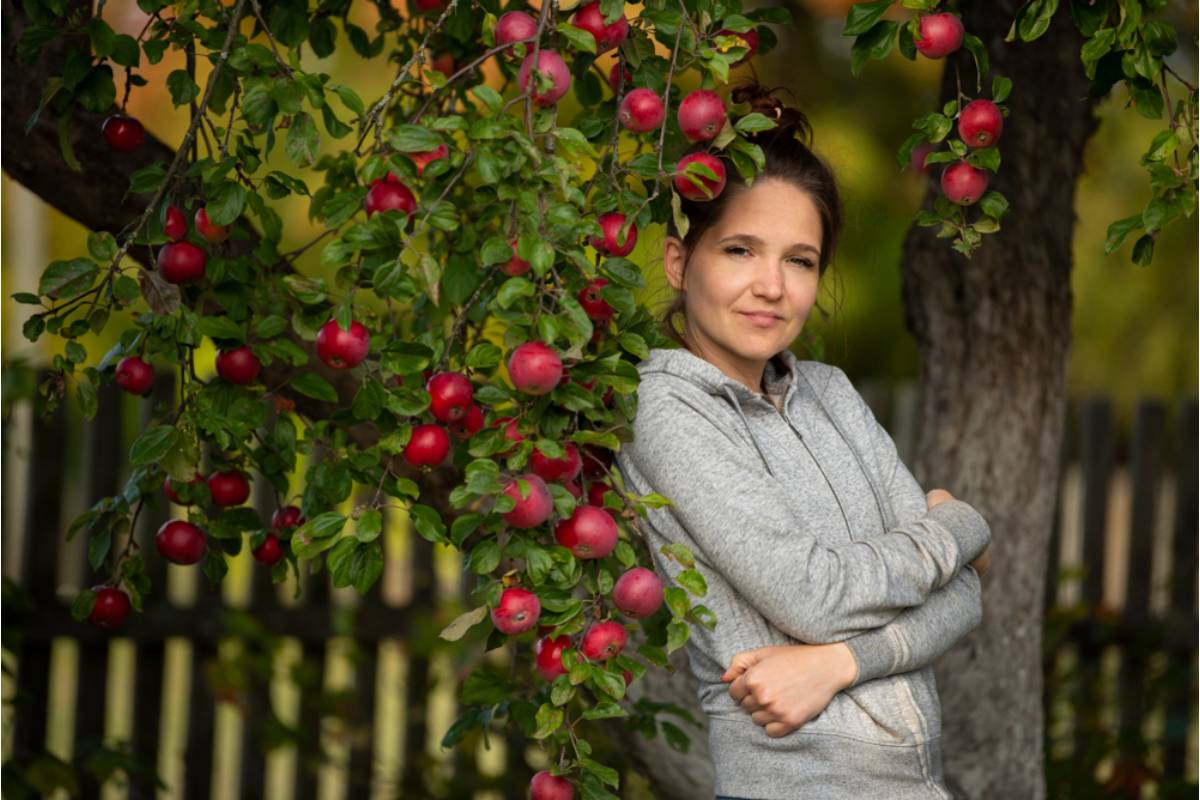
For most people on my street, the old apple tree was simply part of the neighborhood. It stood near the edge of my elderly neighbor Harold’s backyard, its branches stretching just high enough for children to notice the blossoms each spring.
For Harold, though, the tree carried memories that reached far beyond fruit or shade. He often told me he had planted it with his late wife shortly after they bought the house decades earlier, and every season they celebrated the first apples together. When his health declined and he could no longer care for the yard, I could not stand watching the tree slowly fade along with the stories attached to it.
A Quiet Request Changed My Routine
One afternoon Harold called me over while I was watering my flower beds. His voice sounded weaker than usual as he asked if I thought the apple tree could still be saved.
The leaves had begun curling long before summer, and several limbs looked lifeless. He admitted he had not been able to prune or fertilize it for quite some time. I promised I would do everything I reasonably could because I knew how much that tree meant to him.
The Work Started With Careful Observation
Instead of rushing into treatments, I spent several evenings studying the tree. I examined the bark, checked the soil, and looked for signs of disease or insects that might explain its condition.
An experienced gardener from our local community club stopped by after I asked for advice. Together we agreed the tree appeared stressed from years of neglect rather than suffering from a fatal illness. That gave me hope the situation could still be turned around.
Every Visit Became Part of a Friendship
As I worked around the yard, Harold often sat on his back porch watching quietly. He shared stories about raising his children beneath those branches and teaching them how to pick apples without damaging the limbs.
Sometimes we talked more than we gardened. He laughed while remembering homemade pies that never lasted more than a day and family gatherings where grandchildren climbed onto the lowest branches despite repeated warnings. Those conversations made the tree feel less like a plant and more like a living scrapbook.
Small Signs of Recovery Lifted Our Spirits
After weeks of careful watering, pruning, and feeding the soil, tiny changes became noticeable. Fresh buds appeared where I had expected only dead wood.
Harold smiled the first time he spotted healthy green leaves replacing brittle ones. He looked at me and quietly said, “I was afraid I’d already seen its last spring.” That simple sentence reminded me why the effort mattered so much.
The Neighborhood Began Paying Attention
People walking past started commenting on how much healthier the tree looked. Several neighbors who had assumed it was dying stopped to admire the fresh growth.
One family even asked Harold whether they could have a few apples if the harvest returned. His face lit up in a way I had not seen for months. For the first time in a long while, he seemed excited about something waiting in the future.
An Unexpected Call Changed Everything
Near the end of the season, Harold’s daughter knocked on my door. She thanked me sincerely for everything I had done but explained the family had decided he would move into an assisted living community closer to his children.
Although I understood the decision, I could see how difficult it had been for everyone involved. Harold later told me he worried less about leaving the house than leaving the tree behind. That admission stayed with me long after he moved away.
The House Sold Faster Than Anyone Expected
Within weeks, a real estate sign appeared in the front yard. Prospective buyers visited regularly, often walking through the backyard where the apple tree had become one of the property’s most striking features.
Several neighbors mentioned hearing visitors compliment its size and character. I quietly hoped whoever bought the house would appreciate the history growing there instead of viewing it as another item on a landscaping checklist.
New Owners Arrived With Different Priorities
The new homeowners moved in quickly and immediately hired contractors to update nearly every part of the property. Trucks came and went throughout the week carrying fencing materials, landscaping equipment, and construction supplies.
I introduced myself during one of their first days in the neighborhood. They were polite but seemed focused entirely on renovation plans. The apple tree never came up during our conversation.
The Sound That Stopped Me Cold
One morning I heard the unmistakable sound of chainsaws. I looked toward the neighboring yard and saw workers surrounding the apple tree with ropes and equipment.
I hurried outside and asked what was happening. One of the workers simply replied that they had been instructed to remove it before redesigning the backyard. My stomach sank because I realized the decision had already been made.
A Conversation That Changed Nothing
I politely asked the new owners whether they had considered keeping the tree. I explained its history and shared how much it had meant to Harold and his late wife.
They listened respectfully but explained they wanted an open yard for future projects and believed the mature tree no longer fit their plans. They thanked me for sharing the story but never reconsidered. Within hours, decades of growth lay in carefully stacked sections across the lawn.
The News Reached Harold
For several days I debated whether to tell Harold what had happened. Eventually I decided he deserved honesty rather than silence.
When I visited him, I gently explained that the house had changed hands and the tree was gone. He closed his eyes for a long moment before quietly asking whether it had looked healthy at the end. I told him it had been thriving. A small smile crossed his face as he said, “Then at least it had one last good spring.”
Something Unexpected Had Been Saved
Before the tree was completely removed, one of the workers noticed me watching from my yard. After hearing a little about its history, he asked whether I wanted a few healthy cuttings before the cleanup finished.
I accepted them without hesitation. A local orchard specialist later helped me graft several of those cuttings onto young rootstock. It was not the same tree, but it carried the same living genetics into a new generation.
The Neighborhood Remembered More Than a Tree
Neighbors continued talking about the old apple tree long after the stump disappeared. Many admitted they had never realized how much history it represented until it was gone.
Several people began documenting the stories behind other mature trees and gardens throughout the neighborhood. They realized beautiful landscapes often carried family memories invisible to anyone simply driving past. The conversation encouraged many homeowners to preserve meaningful plants whenever possible.
A New Beginning Grew From an Old Loss
The following spring, the young grafted trees showed their first healthy leaves. I carried one to Harold during a visit and placed it beside the window of his room.
He reached out and gently touched the small branches before thanking me. We both understood it could never replace the original, yet it represented something equally important.
Care, kindness, and shared memories had survived even after the old tree was gone. Whenever I look at those young apple trees growing in my own yard today, I remember that some legacies continue not because they remain unchanged, but because someone cared enough to help them begin again.