Homeowner Says Her Neighbor Has Been Using Her Decorative Garden Boulders as Seating for His Outdoor Gatherings for Two Summers Without Ever Asking
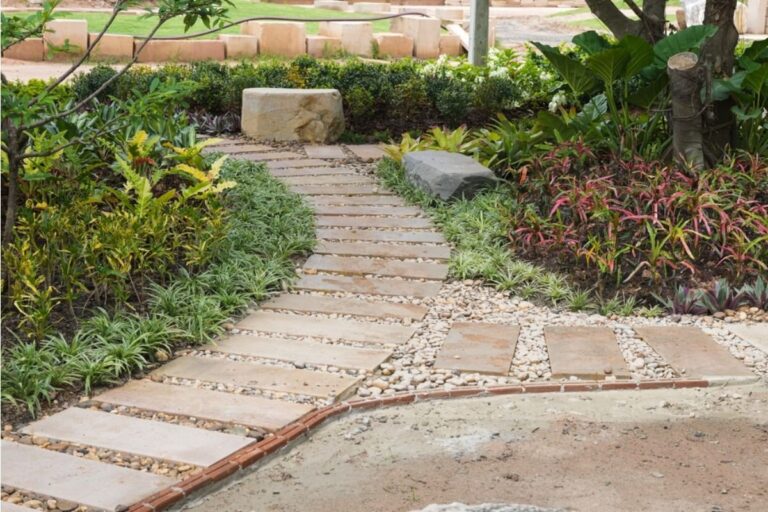
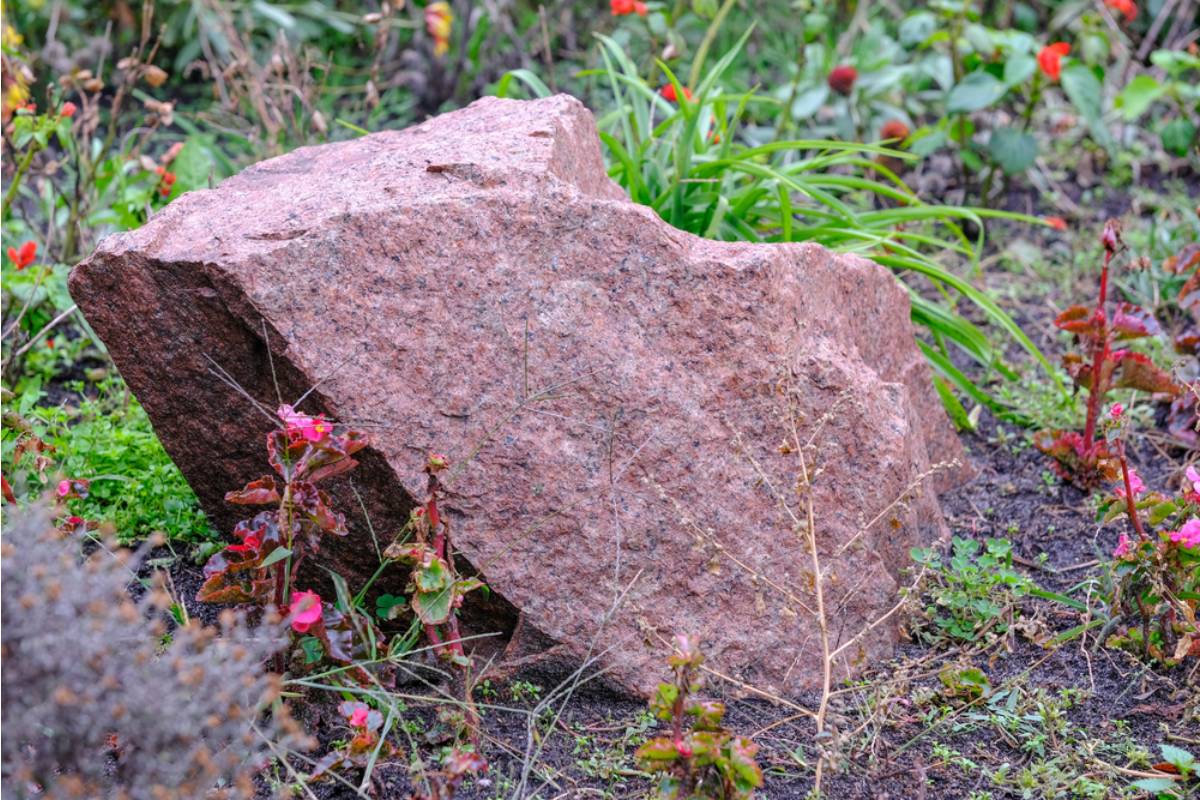
When Denise redesigned her front landscape, the large decorative boulders became the centerpiece of the entire project. She carefully positioned each one among ornamental grasses, flowering shrubs, and winding stone paths to create a natural looking garden that blended into the neighborhood.
The rocks were never intended to be benches or patio furniture. They were part of a carefully planned landscape that took weeks to complete. What began as a peaceful garden slowly turned into the most unexpected neighborhood dispute she had ever experienced.
The First Gathering Seemed Harmless
One Saturday afternoon, Denise noticed several unfamiliar people sitting on the boulders while chatting with her next door neighbor across the property line. She assumed they had briefly wandered over by mistake and thought little of it. By evening, everyone had gone home, and the garden looked untouched. She decided it was not worth mentioning after a single occurrence. Unfortunately, it did not stop there.
Weekend Parties Became a Routine
As the summer continued, the same scene repeated itself nearly every weekend. Guests carried drinks into her front landscape and treated the decorative stones like outdoor seating. Some leaned bicycles against young shrubs while others rested bags on freshly planted flower beds. Denise watched from her living room in disbelief. Her neighbor never once asked whether she minded.
Small Signs of Damage Started Appearing
The first noticeable problem came when one ornamental grass was crushed flat after several people stepped through the planting bed. A few decorative stones that bordered the walkway shifted out of place. Fresh mulch became scattered across the sidewalk after guests repeatedly walked through the landscape instead of using the paved path. Denise spent each Monday morning restoring the garden to its original appearance. The extra work quickly became frustrating.
A Friendly Conversation Changed Nothing
Denise finally approached her neighbor one evening while he was mowing his lawn. She politely explained that the boulders were part of her landscaping and asked if future guests could stay on his property. He smiled, apologized casually, and said he would mention it the next time friends visited. She appreciated the response and hoped the issue had finally been resolved. The following weekend proved otherwise.
The Second Summer Brought More Visitors
When warm weather returned the next year, the gatherings resumed almost immediately. This time even more people wandered into Denise’s yard without hesitation. Some posed for group photos while sitting on the rocks as though they were part of a public park. One child climbed onto a large boulder and jumped into a flower bed while adults laughed nearby. Denise realized the original conversation had accomplished very little.
A Delivery Driver Witnessed the Confusion
One afternoon, a package delivery driver hesitated before walking toward Denise’s front door because several strangers occupied the landscape. After handing over the package, the driver quietly asked whether she was hosting a neighborhood event. Denise explained that the people actually belonged to the house next door. The driver looked surprised and commented that he never would have guessed. The situation suddenly felt even stranger through someone else’s perspective.
A Landscape Designer Stopped By
Later that month, the landscape designer who originally helped plan the project visited to check how the plants had matured. He immediately noticed worn areas around the boulders where foot traffic had compacted the soil. After hearing what had been happening, he explained that repeated use would eventually stress nearby plants and expose shallow roots. The issue was becoming more than an inconvenience. It was beginning to affect the long term health of the landscape.
An Unexpected Photograph Sparked a Decision
One evening, Denise looked outside and saw someone taking family pictures while sitting on her decorative rocks. The photographer arranged everyone carefully without ever asking permission to use the property. Seeing complete strangers treating her garden like a public gathering place finally convinced her something had to change. She no longer wanted to rely on another casual conversation. Respect clearly required stronger boundaries.
A Simple Fence Sent a Clear Message
Instead of building a tall barrier, Denise installed a low decorative fence that outlined the landscaped area without blocking the view. Small garden gates allowed easy access for maintenance while clearly separating the planting beds from the sidewalk. The design matched the existing landscape so naturally that it looked as though it had always belonged there. Visitors immediately understood the space was private. The atmosphere changed overnight.
The Neighbor Finally Asked About the Change
A few days later, the neighbor walked over and asked why the new fence had been installed. Denise calmly explained that too many people had treated her landscaping like extra seating for outdoor parties. She reminded him of the earlier conversation from the previous summer and the repeated damage to plants. He looked genuinely embarrassed when she described everything she had repaired over the past two years. For the first time, he seemed to understand the full impact.
An Honest Apology Followed
The following weekend, the neighbor came by carrying several replacement plants from a local nursery. He admitted he should have spoken to his guests instead of assuming Denise did not mind. He apologized for dismissing her concerns after the first conversation and thanked her for handling the situation calmly. Denise accepted the apology because it sounded sincere. The replacement plants were appreciated, but the acknowledgment meant even more.
The Garden Returned to Being Peaceful
As the season continued, gatherings still took place next door, but guests remained on the proper side of the property line. Denise could once again enjoy her front garden without worrying about strangers climbing onto decorative features or walking through flower beds.
The boulders returned to serving the purpose they were originally chosen for, adding beauty rather than extra seating. Looking across the landscape, Denise felt relieved that the issue had finally ended. Sometimes protecting a peaceful space simply requires making its boundaries impossible to misunderstand.