Gardener Says a Neighbor’s Teenage Son Started a Lawn Care Business and Keeps “Accidentally” Mowing Into Her Flower Beds for New Customers to See
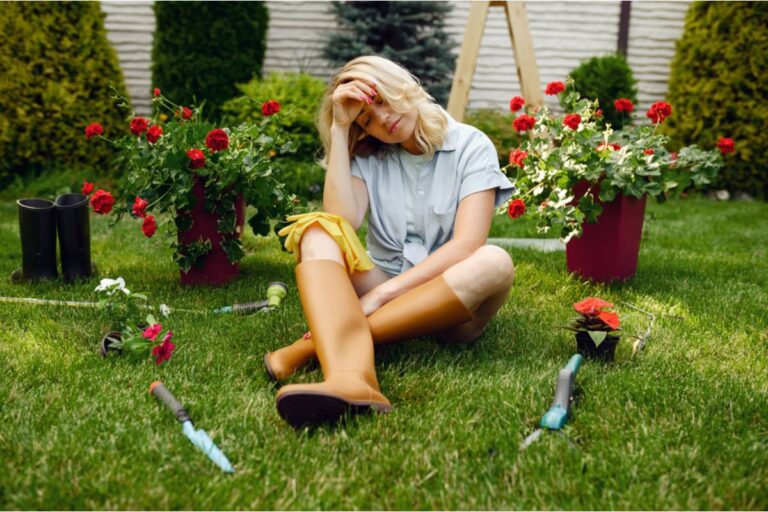
Elaine had spent nearly fifteen years transforming her front yard into a colorful garden that neighbors often stopped to admire. Every flower bed had been planned carefully, with blooming plants chosen to keep the landscape vibrant through every season. She never imagined the biggest threat to all that work would come from a teenager trying to grow his first business. At first she believed the damage was an honest mistake, but the pattern that followed became impossible to ignore.
The First Trim That Crossed the Line
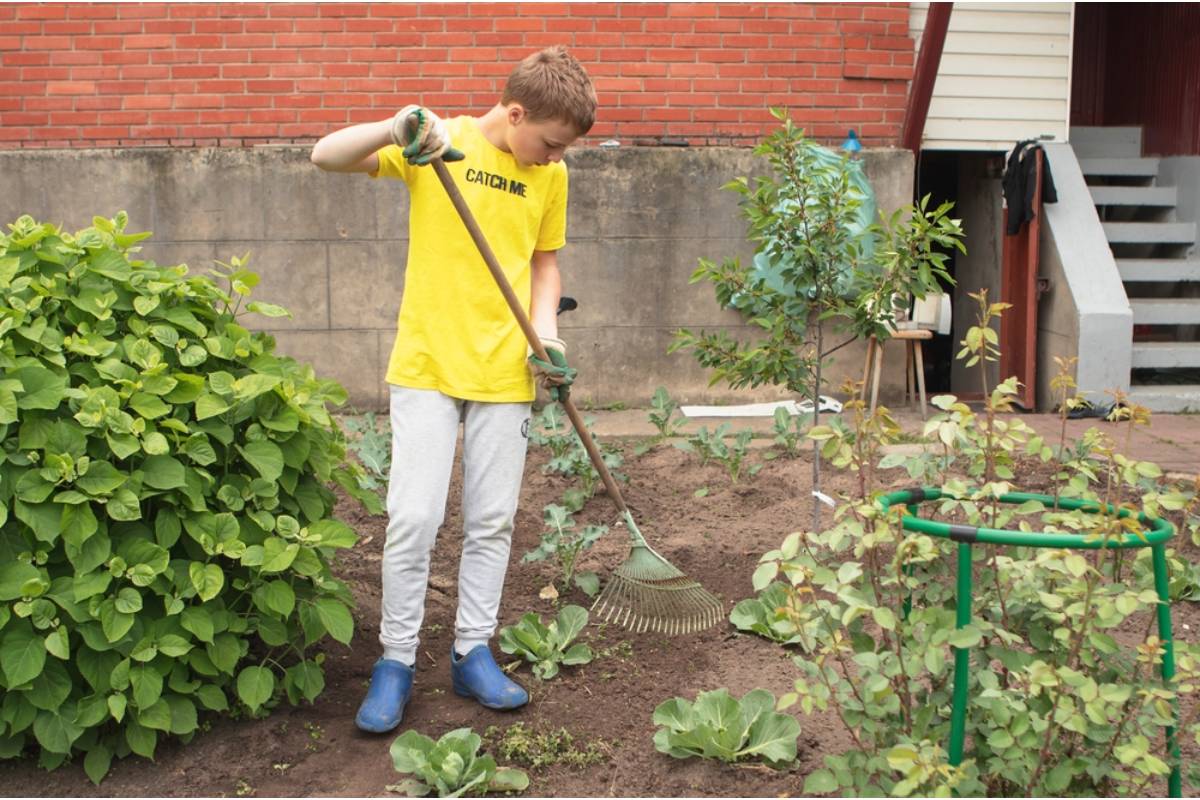
One Saturday morning Elaine heard the familiar sound of a lawn mower outside. Her neighbor’s sixteen year old son, Tyler, had recently started a neighborhood lawn care business, and she smiled at the thought of a young person working hard.
That smile disappeared when she walked outside.
Fresh tire marks cut through the edge of her flower bed, flattening several young perennials she had planted only weeks earlier. Tyler immediately apologized and insisted he had misjudged the property line while finishing a customer’s yard next door.
Elaine accepted the apology because everyone makes mistakes while learning.
A Friendly Warning Instead of an Argument
Elaine carefully replanted the damaged flowers and invited Tyler over later that afternoon.
She showed him where the property line ran and pointed out the small decorative stones marking the border.
“I know you’re just getting started,” she told him. “Just slow down around this section.”
Tyler nodded politely and thanked her for understanding. His respectful attitude convinced Elaine the problem had been resolved before it had truly begun.
The Same Flowers Were Damaged Again
Less than two weeks later Elaine noticed another section of the flower bed had been cut unexpectedly short.
This time the mower had clipped blooming salvia and crushed several decorative edging plants.
Tyler once again apologized.
“I was trying to make the lawn look cleaner for my customer,” he explained.
Elaine found the wording unusual but chose not to argue. She simply reminded him to stay on the correct side of the border.
Customers Began Admiring the Wrong Yard
As Tyler’s business became more popular, Elaine noticed something strange.
Potential customers often stood in front of her house while Tyler described the quality of his work.
One afternoon she overheard someone complimenting the colorful landscaping.
Tyler smiled and replied, “Imagine your lawn looking this clean every week.”
He never claimed the flowers were his, but he allowed people to assume the polished appearance surrounding the lawn reflected his services.
That conversation stayed in Elaine’s mind long after the visitors left.
Fresh Damage Appeared Before Every Consultation
Elaine began paying closer attention whenever unfamiliar vehicles stopped near Tyler’s house.
An odd pattern quickly emerged.
Whenever Tyler expected to meet a potential customer, the edge of Elaine’s flower beds somehow ended up freshly trimmed, creating a sharp contrast between colorful flowers and perfectly cut grass.
The damage was always small enough to dismiss as accidental, yet frequent enough to leave Elaine replacing plants over and over again.
She started wondering whether the mistakes were really mistakes at all.
A Camera Captured More Than Expected
Frustrated, Elaine installed a security camera facing the front garden.
Several days later the footage answered questions she had been asking herself.
Tyler could clearly be seen slowing his mower near the property line. Instead of correcting course immediately, he deliberately drove several inches into the flower bed before backing out and continuing across his customer’s lawn.
Moments later he stepped back with the homeowner and proudly pointed toward the clean edge separating grass from flowers.
Watching the recording made Elaine feel more disappointed than angry.
The Parents Heard a Different Story
Elaine decided to speak with Tyler’s parents before confronting him again.
His father listened carefully while reviewing the security footage.
He looked genuinely surprised.
“When Tyler told us about the complaints, he said the flowers were growing into the lawns he was hired to mow.”
Elaine quietly explained that every damaged plant sat entirely within her own property.
Tyler’s parents realized they had only heard one version of the situation.
A Neighborhood Meeting on the Sidewalk
That evening Tyler, his parents, Elaine, and several nearby neighbors gathered outside to discuss what had happened.
Tyler admitted driving over the border but insisted it helped create cleaner looking lawn edges.
One neighbor immediately responded, “Cleaner for who?”
Another pointed toward the crushed flowers and asked whether impressing customers justified damaging someone else’s landscaping.
Tyler suddenly found himself unable to defend his decisions.
Online Photos Created Another Problem
A few days later Elaine’s friend sent her screenshots from Tyler’s business page.
Several promotional photographs featured beautifully edged lawns.
In the background of nearly every image stood Elaine’s colorful flower beds.
The pictures never mentioned her property, allowing viewers to believe the landscaping belonged to clients who had hired Tyler.
Elaine realized her garden had quietly become part of someone else’s advertising without permission.
A Customer Spoke Up Unexpectedly
One afternoon a woman who had recently hired Tyler knocked on Elaine’s door.
She apologized for interrupting but wanted to ask about the flowers.
“I thought Tyler planted these for one of his customers,” she admitted.
When Elaine explained the real story, the woman looked shocked.
She later contacted Tyler and told him she expected honest marketing from anyone working on her property. Losing the confidence of a satisfied customer affected him more than any argument with neighbors had.
A Garden Club Offered Practical Advice
Elaine shared her experience with members of her local garden club during their monthly gathering.
Several longtime gardeners immediately recognized the problem.
One member suggested installing a decorative border that made the property line impossible to ignore.
Another recommended using low fencing around the most delicate flowers until the dispute ended.
Their ideas focused on preventing future damage rather than escalating conflict.
Elaine appreciated the practical approach.
Tyler Faced an Honest Conversation
Tyler eventually came to Elaine’s house carrying several replacement plants.
He admitted something she had not expected.
“I thought if every lawn looked perfectly edged beside your flowers, more people would hire me.”
Elaine asked why he had not simply ask permission to photograph the garden instead of driving through it.
Tyler looked embarrassed.
“I knew you’d probably say no.”
That answer explained every so called accident.
Rebuilding Trust Took Real Effort
Tyler spent several weekends helping Elaine repair damaged flower beds under her supervision.
He learned how much time went into preparing soil, selecting plants, and caring for delicate blooms.
After accidentally breaking a single transplant while replanting it by hand, he finally understood how quickly months of work could disappear.
He also removed every promotional photograph featuring Elaine’s property and replaced them with pictures taken only at customers’ homes after receiving permission.
His business slowly recovered because clients appreciated the honesty.
A Better Reputation Than Perfect Lawn Edges
By the following season Elaine’s garden had fully recovered, blooming brighter than ever.
Tyler continued operating his lawn care business, but neighbors noticed one important difference. Whenever he reached a property line, he stopped, checked his position carefully, and trimmed the remaining edge by hand instead of risking damage with the mower.
Customers occasionally asked why he worked so carefully around flower beds.
He always gave the same answer.
“The fastest way isn’t always the right way. Respecting someone else’s hard work is worth a few extra minutes.”
For Elaine, those words mattered far more than another apology because they showed the lesson had finally taken root.